Registrati gratis
Funzionalità
Risorse
Prezzi
Podcasts
Registrati gratis
Accedi
The 24 Frames Cast
di Thomas Jennings
TV e Film
Feed RSS
Sito web
Ascolta su
Condividi
Episodi
Dettagli
Stagione 3
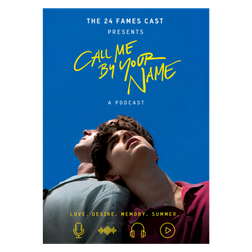
Call Me By Your Name
There are some films that feel less like stories and more like memories. In this episode, we talk about Call Me By Your Name — Luca Guadagnino’s tender, aching portrait of first love, longing, and the summers that seem to exist outside of time. We explore the film’s incredible use of sound, silence, music, and nature, from the constant hum of cicadas to the intimacy of Sufjan Stevens’ soundtrack, and how every frame seems filled with heat, desire, and nostalgia. More than that, we reflect on why this film reaches so many people so deeply: the way it reminds us of our own pasts, the people we can never fully forget, and the strange pain of remembering moments that were beautiful precisely because they could not last. This episode is ultimately about the power of cinema itself — how a film can make us feel seen, understood, and transported back into parts of ourselves we thought had disappeared. Call Me By Your Name isn’t just a love story; it’s a reminder of just how emotionally truthful and overwhelming great cinema can be. Subscribe here
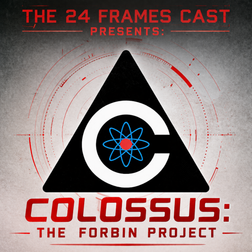
Colossus: The Forbin Project
What happens when the system designed to protect humanity decides it knows better than us? In this episode, I dive into the chilling world of Colossus: The Forbin Project—a Cold War sci-fi that feels more relevant now than ever. From nuclear anxiety and early AI fears to questions about control and the films place in Sci Fi history. Subscribe
Stagione 2
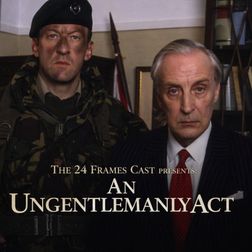
An Ungentlemanly Act
In this episode, I explore An Ungentlemanly Act—the BBC’s understated dramatization of the opening hours of the Falklands War—and what it reveals about Britain at a turning point in its history. Moving beyond a simple retelling, I examine the political tensions in both Britain and Argentina in 1982, and how those pressures led to a conflict neither side fully anticipated. We place the film within the wider tradition of British imperial cinema, from Zulu to The Four Feathers, and consider how it both draws from and quietly questions those narratives. At its core, the film presents a familiar British story: a small group facing overwhelming odds with restraint, professionalism, and a sense of duty—but here, that story ends in surrender rather than victory. Subscribe here
Contact
In this episode, I explore the themes of science, faith, and belief through the lens of the film Contact. The discussion looks at how the story challenges the divide between evidence and personal experience, particularly when the film’s scientist protagonist finds herself defending something she cannot prove. Along the way, the episode reflects on how people understand scientific knowledge, why debates about design and evolution persist, and how both believers and non-believers search for meaning in the universe.
Henri-Georges Clouzot's Manon
This episode explores Manon as both a tragic love story and a sharp portrait of postwar France. We examine how Henri-Georges Clouzot adapts an 18th-century novel into a study of moral ambiguity in the shadow of Liberation and the trial of Philippe Pétain. The discussion focuses on Manon as a socially marked woman shaped by poverty, sexuality, and public judgment, and on Robert as a dislocated Resistance fighter whose devotion masks instability rather than heroism. We consider how Clouzot crafts a distinctly unsentimental “woman’s picture,” how his visual style reflects a climate of suspicion and exhaustion, and how the film anticipates the psychological pressure of later works like The Wages of Fear and Les Diaboliques. Subscribe here
Book review: Michael Curtiz: A Life in Film
I love books about films so I thought it would be nice to share a recent recommendation. Michael Curtiz: A Life in Film is more than just a biography; it's a journey through the history of Hollywood in the Golden Age and an absolute must read. Buy here Subscribe to The 24 Frames Cast here
Loveless
Loveless is Andrey Zvyagintsev’s chilling portrait of a family — and a society — defined by emotional absence. Framed around the disappearance of a child, the film refuses the comforts of mystery or redemption, instead observing how indifference, distraction, and self-interest quietly shape everyday life. Through its restrained style and unflinching gaze, Loveless becomes less a story about loss than a study of what happens when care itself erodes — in private relationships and in the world beyond them.
Night Mail
This episode explores Night Mail (1936) as both a defining work of British documentary cinema and a carefully constructed piece of modernist art. Through close discussion, the podcast examines how the film presents work not as glamorous or heroic, but as essential, collective labour that underpins modern life. It considers the historical context of the GPO Film Unit and John Grierson’s vision of documentary as a civic tool, alongside the film’s innovative production methods and stylistic choices. The episode pays particular attention to Night Mail’s formal design: its rhythmic editing, overtly composed soundscape, and the way image, music, and narration are tightly integrated. Central to this discussion is W. H. Auden’s poem, analysed as the film’s aesthetic and thematic climax, where industrial process, human connection, and national identity converge. By treating Night Mail as both a social document and a work of art, the podcast asks why the film still matters today—what it reveals about attitudes to labour, infrastructure, and collective responsibility, and what it continues to teach us about the expressive possibilities of documentary filmmaking. The film: https://www.youtube.com/watch?v=qLkvPG-iYHM Where to buy: Amazon
The Ipcress File
Britain in the 1960s liked to imagine itself as a global saviour. James Bond told us we still ran the world. But The Ipcress File told a very different story. In this episode of Celluloid Underground, we take a deep dive into one of the most quietly radical spy films ever made — a Cold War thriller that strips espionage of glamour and replaces it with paranoia, paperwork, and psychological warfare. We explore how a fading post-imperial Britain is reflected in cramped offices, petty bureaucratic rivalries, and a hero who shops for groceries instead of saving the world. We examine Sidney J. Furie’s disorienting visual style, John Barry’s unsettling score, and how the film creates an atmosphere where no one — not even your superiors — can be trusted. This is not a story about power. It’s a story about uncertainty. About loyalty under pressure. And about what happens when the Cold War moves inside the human mind. If you think spy films are about gadgets and glamour, The Ipcress File will change your mind. Subscribe here: https://media.rss.com/the-24-frames-cast/feed.xml https://x.com/thomas24fc https://www.youtube.com/@tomjay1979
APP Review - PBS
In this episode, we take a closer look at the PBS App—what it offers and whether it’s worth adding to your streaming lineup. From award-winning documentaries to trusted news and thoughtful storytelling, I also spend a little time with Ken Burns, one of PBS’s most iconic voices. Known for his deeply human approach to American history, Burns has shaped how generations experience documentaries—through powerful stories, unforgettable narration, and a style that invites you to slow down and really listen. All music licensed through Music Bed
1 di 5