St. Mary Magdalene Orthodox Church Bible Study

St. Mary Magdalene Orthodox Church Bible Study

di Fr Stephen Osburn
Stagione 2026
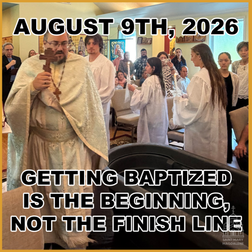
August 9th, 2026: Getting Baptized Is the Beginning, Not the Finish Line
In Matthew 17:14-23, the disciples encounter something they cannot overcome. They have followed Christ, received authority, and already seen God work through them, yet they are unable to cast out the demon afflicting a young boy. When they ask why, they are pointed back to faith, prayer, and fasting. This sermon looks at what that passage teaches Orthodox Christians about the difference between claiming the faith and actually living it. It also connects this Gospel with the Great Commission and the meaning of Christian baptism. Baptism is not the finish line of the Christian life. In Orthodox Christianity, baptism is the beginning of a lifelong journey of repentance, prayer, worship, fasting, and growth in faith. The Orthodox Church teaches that what we receive in baptism is meant to shape the rest of our lives. We cannot simply call ourselves Orthodox Christians while keeping the faith separate from our everyday decisions. The Gospel calls us to become what we received in the baptismal waters. This is also why prayer and fasting matter so much in the Orthodox spiritual life. They are not religious tasks we perform to prove ourselves to God. They teach us to depend upon Him rather than ourselves and help bring our desires under the healing discipline of the Church. Faith is not the same thing as confidence in ourselves or merely believing certain ideas are true. Genuine Christian faith becomes visible through repentance, obedience, mercy, forgiveness, worship, and the way we treat the people around us. The early Christians did not transform the ancient world simply by calling themselves Christians. They lived the Gospel in their families, communities, suffering, service, and even in the face of death. That same calling remains with us today. If we want the world around us to change, the Gospel must first take root in us. The Christian life begins at baptism and continues as we learn, day after day, to live faithfully within the life of the Orthodox Church.
August 5th, 2026: Transfiguration: Do Not Be Afraid, Be Patient
The Feast of the Transfiguration gives us a glimpse of the glory of Christ on Mount Tabor, but it also gives us a simple message for the spiritual life: do not be afraid. Peter, James, and John see something far greater than they are prepared to understand, and they are overwhelmed. Yet God does not expect them to understand everything at once. They are being prepared little by little for the Cross and Resurrection that are still to come. In this sermon, Fr. Stephen Osburn reflects on how the Transfiguration shows us the patience of God. Throughout the Gospel, the disciples are gradually prepared to understand who Christ is and what salvation means. The same pattern can be seen throughout Scripture, including God’s revelation to Moses. Orthodox Christianity continues this pattern by giving us a life of steady growth through prayer, fasting, repentance, worship, and the sacramental life of the Orthodox Church. That matters because Christians can easily become overwhelmed by trying to do everything correctly. We worry about praying enough, fasting correctly, understanding the faith, overcoming every sin, and becoming the person we think we should already be. The answer is not to stop striving, but to stop expecting the entire spiritual life to be completed overnight. Salvation is a lifelong journey in which we cooperate with God’s grace, repent when we fall, get back up, and continue moving toward Him. The Transfiguration reminds us to slow down, be patient, and trust God’s work in our lives. We do not need to force spiritual growth or manufacture holiness for ourselves. The Orthodox Church gives us a whole lifetime, shaped by the Gospel and the liturgical year, in which to grow into communion with God. When the spiritual life feels overwhelming, remember the words spoken on Mount Tabor: rise, do not be afraid, and keep going.
August 2nd, 2026: When Fear Drowns Faith
Fear is something every Christian experiences, but the Gospel shows us that fear does not have to define us. In this sermon on Matthew 14:22-33, we reflect on Peter walking on the water and what his experience teaches Orthodox Christians about trusting God in the middle of life’s storms. As Peter fixed his eyes on Christ, he walked on the water. When he focused on the wind and the waves, he began to sink. This familiar Gospel passage speaks directly to the struggles Christians face in today’s world. It reminds us that faith is not the absence of fear, but the decision to trust God despite it. The sermon explores how this Gospel applies to modern life. Many Christians hesitate to share their faith because they fear rejection, awkward conversations, or standing apart from the culture around them. The Orthodox Church teaches that Christians are called to witness to the Gospel with humility, courage, and love. Looking to the example of the Apostles and the early Church, we are reminded that the Gospel spread because ordinary believers trusted God more than public opinion. The same calling remains for Orthodox Christians today. The message also reflects on what it means to place God at the center of everyday life. Trust grows through prayer, repentance, worship, and participation in the life of the Orthodox Church. As Christians learn to keep their attention fixed on God instead of the storms around them, they discover peace that cannot be found in the world alone. This is not simply about surviving difficult circumstances but about growing in holiness and becoming faithful witnesses to the hope found in the Gospel. Whether you are new to Orthodox Christianity, exploring the Christian faith, or have been in the Church for many years, this sermon offers practical encouragement for living faithfully in a culture that often pulls us in the opposite direction. Take time to reflect on Peter’s cry, “Lord, save me,” and remember that God’s hand is always extended toward those who call upon Him. May this message encourage you to trust more deeply, live more faithfully, and continue growing in the life of the Orthodox Church.
July 26th, 2026: Taking the Divine Liturgy Home
The Gospel account of the feeding of the five thousand is about much more than a miracle of bread. In this sermon, Fr. Stephen reflects on how this passage points us toward the Eucharist and the Christian life that follows the Divine Liturgy. Orthodox Christianity teaches that God feeds us not only physically but spiritually, giving us the strength to live faithfully throughout the week. The question is not simply whether we come to church, but whether the life of the Church becomes the life of our homes. The sermon explores why so many people, especially young adults, drift away from the Church and what Orthodox Christians can do to build a stronger spiritual foundation. Faith is not formed by attending services alone. It is shaped through prayer in the home, shared meals, daily repentance, generosity, and parents leading by example. These ordinary habits become the foundation that helps families remain rooted in the Gospel for generations. Listeners are encouraged to see the home as a “little church,” where the grace received in the Divine Liturgy continues long after Sunday morning. The sermon offers practical ways to begin living the Orthodox faith every day, whether through family prayer, setting aside distractions, serving others, or simply making time to be together. These small acts of faithfulness slowly transform both individuals and families as they grow in the spiritual life. This sermon reminds us that the Christian life does not end with the dismissal at the Divine Liturgy. Having been nourished by God, we are sent into the world to become faithful witnesses through the way we live, speak, and love. Whether you are new to the Orthodox Church or have been Orthodox for many years, this reflection offers encouragement to strengthen your spiritual foundation and make your home a place where faith is lived each day.
July 19th, 2026: The Law That Heals Instead of Condemns
Why does the Orthodox Church have canons? What is oikonomia, and why do Orthodox priests sometimes make exceptions to Church rules? In this sermon, Fr. Stephen explains one of the most misunderstood topics in Orthodox Christianity by looking at the purpose of the Church’s canons and the wisdom of the Holy Fathers. Rather than being a collection of cold regulations, the canons are gifts that help guide Christians toward repentance and salvation. The sermon also reflects on the commemoration of the Holy Fathers of the first six Ecumenical Councils and the lasting importance of their work. The sermon explains that the canons were never intended to become an end in themselves. They exist to preserve the life of the Orthodox Church and to direct believers toward a deeper relationship with God. Fr. Stephen discusses how oikonomia allows the Church to apply the canons with pastoral discernment while never compromising Orthodox doctrine. Through practical examples, listeners are shown how the Church considers the whole person and their circumstances rather than applying every canon as a rigid legal code. This balanced approach reflects both truth and mercy working together for the healing of souls. The message also challenges us to examine our own spiritual lives. Instead of asking how little we can do and still call ourselves Orthodox Christians, we should ask how faithfully we can embrace the life the Church offers us. Prayer, fasting, repentance, Holy Confession, the Divine Liturgy, and the guidance of the Church all work together to help us grow in holiness. Even the canons themselves become another tool for our spiritual life when they are understood correctly. Everything the Church does has one goal: leading us toward repentance and communion with Christ. Whether you are new to Orthodoxy or have been Orthodox for many years, this sermon offers a helpful explanation of a subject that is often misunderstood. It provides practical insight into how the Orthodox Church balances faithfulness with pastoral care while remaining rooted in the Gospel. As you listen, consider how God’s wisdom is revealed not only through doctrine but also through the loving guidance of His Church. May this message encourage you to continue seeking the fullness of life found within Orthodox Christianity.
July 12th, 2026: Men and Women Were Not Created to Be Rivals
Saint Paul’s teachings about men and women are often quoted without their biblical and historical context. This sermon examines difficult passages concerning headship, women speaking in church, head coverings, marriage, and worship. It asks whether Paul viewed women as inferior or whether his true concern was restoring order and communion within divided Christian communities. The sermon begins with the Orthodox Christian understanding that men and women share one human nature and equal dignity before God. The Orthodox Church does not teach that men and women must compete for power. Masculine and feminine gifts are distinct, yet they are meant to work together in love. Saint Paul’s language of headship cannot be separated from sacrificial responsibility, mutual submission, and service. Christian authority never gives anyone permission to dominate, humiliate, or abuse another person. The sermon also considers why Paul discusses women praying, prophesying, wearing head coverings, and remaining silent during worship. These passages addressed specific questions of order within early Christian congregations. They should not be turned into weapons for shaming women or dismissing their service to the Church. Women served as missionaries, teachers, martyrs, deaconesses, spiritual mothers, and witnesses to the Resurrection. This teaching matters because modern culture often encourages resentment between men and women. Orthodox Christianity offers another path grounded in repentance, prayer, sacramental life, and communion. Men and women are called to help one another grow in holiness rather than build identities around anger or suspicion. This sermon invites listeners to consider how the Gospel can heal distorted ideas about masculinity, femininity, marriage, authority, and Christian service.
July 5th, 2026: When Desire Becomes Your God
In this sermon, Fr. Stephen reflects on the Gospel account of the demon-possessed men and the swine. The passage shows more than a dramatic miracle. It reveals how the human heart can become attached to possessions, comfort, and control. Orthodox Christianity teaches that the spiritual life begins when our desires are turned back toward God. The people in the Gospel witness a man being healed, yet they focus on the loss of their swine. This reaction exposes a deep struggle that all Christians face. We can say God is first while still protecting our own plans, opinions, money, and pride. The Orthodox Church calls this kind of attachment a form of idolatry when created things take the place of God. This sermon connects the Gospel to repentance, confession, obedience, and parish life. Confession helps us stop justifying ourselves and begin seeking healing. Obedience helps free us from self-will. The spiritual life is not about shaping God around our desires, but allowing God to heal and reshape our hearts. The message invites listeners to ask a simple but serious question: what do I love most? The Christian life is a call to seek God above every earthly thing. When we learn to rejoice in healing more than we grieve our losses, we begin to see the world with the mind of the Church. This is the path of Orthodox Christianity, where prayer, repentance, and worship lead us toward salvation.
June 28th, 2026: Freedom Without Obedience Becomes Another Slavery
This sermon examines the healing of the centurion’s servant in Matthew 8 and what the encounter teaches about faith, authority, and obedience. The centurion understands that he is both under authority and responsible for others. He also recognizes the limits of his own power. His humility allows him to trust the divine authority that can bring healing. The sermon explains why spiritual authority exists within the Orthodox Church. Bishops, priests, parents, and other leaders are given responsibilities for the good of those entrusted to them. Christian authority is meant to be sacrificial rather than controlling. It should guide people toward God, protect the unity of the Church, and support their salvation. Orthodox Christianity does not teach blind obedience or claim that clergy are incapable of mistakes. Christians must never cooperate with sin, manipulation, or abuse. At the same time, spiritual growth requires the humility to receive correction even when it challenges our opinions. Prayer, repentance, confession, and life in a parish help heal the pride that makes us trust only ourselves. True Christian freedom is not the power to do whatever we desire. It is freedom from sin, pride, and the passions so that we may love God and one another. This sermon invites listeners to consider whether their choices are shaped by personal preference or by a sincere desire for God’s will. The life of the Orthodox Church gives us a community in which we can ask questions, receive guidance, and grow together in the spiritual life.
June 21st, 2026: Celebrate God, Not Pride
In this sermon, Fr. Stephen Osburn reflects on Matthew 6 and the command to “seek first the Kingdom of God.” The Gospel teaches that the heart cannot serve two masters. Orthodox Christianity understands this as a direct call to turn away from self-rule and place God at the center of life. This sermon asks a simple but serious question: are we seeking God first, or are we still trying to serve ourselves? The sermon explains the Lord’s teaching about the sound eye, the divided heart, and the danger of being ruled by pride, desire, and comfort. The Orthodox Church teaches that the spiritual life is not built on affirming every feeling or following every desire. It is built on repentance, prayer, fasting, obedience, worship, and healing. When the self becomes the center, darkness spreads, but when God becomes the center, the whole life begins to be filled with light. This matters because the Gospel is not only about what we believe in our minds. It is about how we live each day. Orthodox Christians are called to shape their homes, schedules, habits, and choices around the life of the Church. Coming to services, praying at home, fasting, confessing sins, and speaking openly about the faith are not extra religious activities. They are part of learning to seek first the Kingdom. This sermon invites listeners to think honestly about what is ruling their hearts. The path of salvation begins with a real turn toward God, even if that first step feels small. The spiritual life is a lifelong process, but it must begin today. The Orthodox Church offers a life of repentance, healing, and communion with God for all who are willing to come and see.
June 14th, 2026: The Parish Where Saints Are Formed
This sermon reflects on the Sunday of All Saints of America and what it means to become holy in Orthodox Christianity. The Orthodox Church does not teach that saints are only people from ancient times or distant lands. Saints are real people whose lives have been healed, changed, and filled with the grace of God. This sermon asks a simple but serious question: what story will our life tell? Through three personal stories, the sermon shows how repentance, suffering, prayer, and faithfulness can transform a person. One life shows the change from bitterness to kindness. Another shows zeal for the growth of the Church and the constant reminder that everything is about Christ. Another shows the deep repentance of a man in prison who longed for the Divine Liturgy and prayed for mercy. The message is not that every inspiring person is automatically a canonized saint. Rather, it is that the spiritual life is meant to make holiness visible in ordinary people. Orthodox teaching reminds us that repentance is possible, prayer matters, and salvation is not just an idea, but a life lived in the Church. Even difficult circumstances can become places where a person turns toward God. This sermon invites listeners to think about the people who have drawn them closer to the Orthodox Church, prayer, and the Gospel. It also invites each of us to ask whether our own life is helping others move toward God. The saints of America show that holiness can take root here, in our own land, parishes, families, and struggles. The call of the Christian life is not simply to admire the saints, but to become like them by the mercy of God.
1 di 18