Nourish Your Biblical Roots with Yael Eckstein

Nourish Your Biblical Roots with Yael Eckstein

di International Fellowship of Christians and Jews
Stagione 3
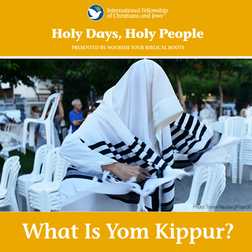
What Is Yom Kippur?
In this episode of Holy Days, Holy People, we explore Yom Kippur—the Day of Atonement—and discover why the holiest day on the Jewish calendar is not a day of fear, but a day of forgiveness, mercy, and the joy of beginning again. In this episode, Fellowship President and Global CEO Yael Eckstein explains the biblical origins of Yom Kippur and how this sacred day brings the High Holy Days to their conclusion. You’ll learn how Jewish people observe Yom Kippur through fasting, prayer, repentance, and reflection—and why the day is devoted not only to seeking forgiveness from God, but also to making peace with one another. You’ll discover why asking forgiveness from another person is such an important part of Yom Kippur. True repentance requires us to take responsibility for the ways we have hurt others, make amends where possible, and find the humility to say two difficult but powerful words: “I’m sorry.” And just as we seek forgiveness, Yom Kippur challenges us to extend grace to those who sincerely seek forgiveness from us. The episode also shares the remarkable story of Anton Schmid, a Christian Austrian army sergeant who witnessed the Nazi persecution of the Jews of Vilnius during Yom Kippur in 1941. At enormous risk to himself, Schmid provided false identities, shelter, work, and escape to Jews facing death, ultimately helping save nearly 300 lives before the Nazis discovered his actions and executed him. His courage embodied the biblical words of the prophet Isaiah—that God calls us to care for the hungry, shelter the vulnerable, and help those in need. Whether Yom Kippur is a holiday you’ve observed for years or one that you’re discovering for the first time, this podcast will deepen your understanding of the Day of Atonement and reveal the extraordinary gift at its heart. God offers us the opportunity to repair what has been broken, release the burdens of the past, and begin again. Continue your journey through the Bible and the Jewish roots of your faith at The Fellowship’s Learn Center.
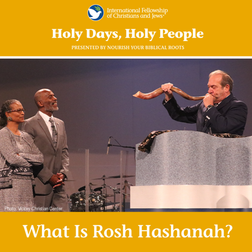
What Is Rosh Hashanah?
In this episode of Holy Days, Holy People, we explore Rosh Hashanah—the Jewish New Year—and discover why this biblical holiday is about far more than beginning another year. Rosh Hashanah is an invitation to wake up spiritually, examine our lives, return to God, and begin again. Today, Fellowship President and Global CEO Yael Eckstein explains the biblical origins of Rosh Hashanah, which the Bible also calls the Festival of Trumpets, and why the sounding of the shofar remains at the heart of the holiday. Jewish families welcome the new year with sweet foods and joyful traditions, while also entering one of the most serious periods on the Jewish calendar—the Ten Days of Repentance leading from Rosh Hashanah to Yom Kippur. You’ll discover the meaning behind the different blasts of the shofar and the spiritual journey they represent: recognizing God as King, crying out to Him in our brokenness, and awakening from spiritual slumber to live with greater purpose. The shofar calls us to look honestly at the year behind us, ask where we can do better, and seek God’s help as we draw closer to Him in the year ahead. The episode also shares the remarkable story of Rabbi Zvi Hirsch Meisels, who secretly sounded a shofar in Auschwitz on Rosh Hashanah in 1944. At enormous personal risk, he brought its ancient call to Jewish prisoners—including more than 1,000 boys facing death. In one of history’s darkest places, the sound of the shofar became a declaration that even when everything seemed swallowed by darkness, God’s people would continue to pray, remember, and believe. You’ll also hear timeless teachings from Fellowship Founder Rabbi Yechiel Eckstein, of blessed memory, as he explores teshuvah—repentance, or literally “return”—and explains why the Days of Awe offer an opportunity to wipe the slate clean and begin life anew. His teaching reminds us that God seeks His people and responds when we turn toward Him through repentance, prayer, and acts of charity. Whether Rosh Hashanah is a holiday you’ve celebrated for years or one that you’re discovering for the first time, this podcast will deepen your understanding of this biblical holy day, reveal the powerful meaning behind the sound of the shofar, and encourage you to hear its call in your own life—to wake up, return to God, and step into a new beginning with Him. Continue your journey through the Bible and the Jewish roots of your faith at The Fellowship’s Learn Center.
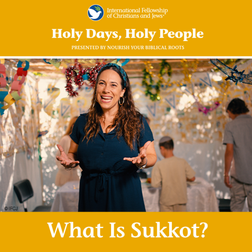
What Is Sukkot?
In this episode of Holy Days, Holy People, we explore Sukkot—the biblical Feast of Tabernacles—and discover why a holiday centered around fragile, temporary shelters offers a powerful lesson about where our true security is found. Fellowship President and Global CEO Yael Eckstein explains how Sukkot remembers God’s protection and provision for the Israelites during their journey through the desert. Yael shares the biblical traditions of the holiday—from building and dwelling in a sukkah to bringing together the four species—and reveals a deeper message behind them: our security does not come from the walls around us, but from the God who shelters us. You’ll also hear timeless teachings from Fellowship Founder Rabbi Yechiel Eckstein, of blessed memory, as he reflects on the temporary nature of material things, the importance of gratitude, and what it means to depend on God in times of both need and abundance. His teaching reminds us that Sukkot calls God’s people to leave behind comfort and convenience and recognize the One who provides every blessing. The episode also shares the remarkable story of Shuki, an Israeli who welcomed neighbors into his sukkah in Ofakim before the October 7th attacks. When terrorists entered his community, Shuki and eight others took refuge in a bomb shelter, where he held the door shut for nearly six hours. His story brings Sukkot’s message of shelter and trust into the present day, reminding us that even when walls cannot guarantee our safety, we can place our faith in God. Whether Sukkot is a holiday you’ve celebrated for years or one that you’re discovering for the first time, this podcast will deepen your understanding of this joyful festival found in the Bible, show you why its ancient traditions still speak so powerfully today, and encourage you to remember that our greatest shelter has never been made of wood or stone—it is found in the faithfulness of the God who shelters His people. Continue your journey through the Bible and the Jewish roots of your faith at The Fellowship’s Learn Center.
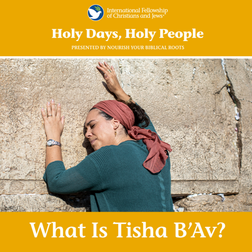
What Is Tisha B'Av?
In this episode of Holy Days, Holy People, we explore Tisha B’Av—the saddest day on the Jewish calendar—and discover why a day devoted to remembering tragedy is also one of Judaism’s most powerful lessons about hope. Fellowship President and Global CEO Yael Eckstein explains how Tisha B’Av commemorates the destruction of the First and Second Temples in Jerusalem, along with centuries of suffering endured by the Jewish people. Yael shares the solemn traditions of the day—from fasting and reading the Book of Lamentations to sitting low to the ground in mourning—and reveals the deeper purpose behind them: remembering sorrow does not mean surrendering to it. You’ll also hear timeless teachings from Fellowship Founder Rabbi Yechiel Eckstein, of blessed memory, as he reflects on the tragedies remembered on Tisha B’Av and the promise of restoration still to come. Bishop Paul Lanier concludes the episode with a moving prayer, reminding people of faith that God has called us for this moment and invites us to take part in His purposes. The episode also remembers Anne Frank, whose young voice survived the hatred that sought to silence her. Her story gives a human face to the tragedies mourned throughout Jewish history, while reminding us all of the extraordinary hope that sustained God’s people through centuries of exile, persecution, and loss. Whether Tisha B’Av is a day you’ve observed for years or one that you’re discovering for the first time, this podcast will deepen your understanding of this solemn Jewish observance, show you why biblical faith makes room for grief without giving way to despair, and encourage you to trust that even in the darkest moments, God is still writing a story of redemption. Continue your journey through the Bible and the Jewish roots of your faith at The Fellowship’s Learn Center.
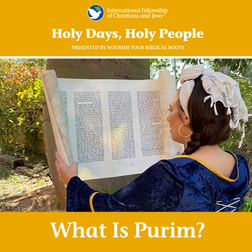
What Is Purim?
In this episode of Holy Days, Holy People, we explore Purim—the joyful Jewish celebration of the story found in the Book of Esther—and discover how God is often working behind the scenes… even when we cannot see Him. Fellowship President and CEO Yael Eckstein traces the dramatic Bible story, explaining how God delivered the Jewish people through the courage of Queen Esther and the faith of Mordecai. Along the way, she explores beloved Purim traditions—from costumes and noisemakers to gifts for friends and charity for the poor—and reveals how each points to one powerful truth: God is always at work, even when His hand appears hidden. You’ll also hear timeless teaching from Fellowship Founder Rabbi Yechiel Eckstein, of blessed memory, as he recounts the remarkable events of Purim and reflects on God’s perfect justice, providence, and protection throughout history. Bishop Paul Lanier concludes the episode by reminding people of faith that, like Esther, we are called to surrender ourselves to God’s purposes and faithfully stand with His people. The episode also shares the inspiring true story of Esther Cailingold, a young Jewish woman who gave her life defending Jerusalem during Israel’s War of Independence. Like her biblical namesake, Esther Cailingold’s extraordinary courage reminds us that the faith and sacrifice of Queen Esther continue to echo through history, as God raises up ordinary people to write the extraordinary story of His people. Whether Purim is a holiday you’ve celebrated for years or one that you’re discovering for the first time, this podcast will deepen your understanding of this joyful biblical festival, strengthen your confidence in God’s unseen providence, and encourage you to trust that even when He seems hidden, God is faithfully writing your story. Continue your journey through the Bible and the Jewish roots of your faith at The Fellowship’s Learn Center.
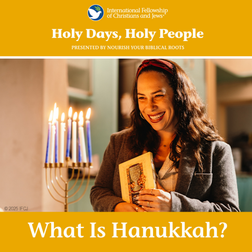
What Is Hanukkah?
In this episode of Holy Days, Holy People, we explore Hanukkah—the Festival of Lights—and discover why this beloved Jewish holiday continues to inspire hope in every generation. Yael Eckstein traces the remarkable story of the Maccabees, whose faith and courage preserved the worship of the one true God against overwhelming odds. Along the way, she explains the meaning behind the menorah, the miracles of Hanukkah, and what this holiday teaches us about choosing faith over fear and light over darkness. You’ll also hear timeless teachings from Fellowship Founder Rabbi Yechiel Eckstein, of blessed memory, as he explores the biblical and historical significance of Hanukkah and its enduring call to rededicate our hearts to God. Bishop Paul Lanier also reflects on why Hanukkah matters to Christians, reminding us that Jesus Himself celebrated the Feast of Dedication and that its message remains deeply relevant today. The episode also shares a moving Hanukkah story from the Holocaust, revealing how light continued to shine even in humanity’s darkest hour. Together, these stories remind us that God’s light cannot be extinguished, His miracles are still worth proclaiming, and even the smallest flame of faith can illuminate the deepest darkness. Whether Hanukkah is familiar to you or completely new, this episode will deepen your understanding of this remarkable holiday, strengthen your faith, and encourage you to become a bearer of God’s light and hope in the world. Continue your journey through the Bible and the Jewish roots of your faith at The Fellowship’s Learn Center.
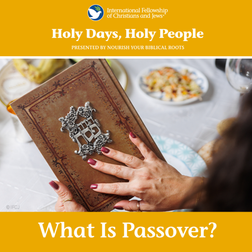
What Is Passover?
Welcome to a new season of Nourish Your Biblical Roots, Holy Days, Holy People. Throughout these eight episodes, Fellowship President and Global CEO Yael Eckstein will guide us through the biblical holidays that have shaped the faith, identity, and history of the Jewish people for thousands of years—and point us back to the God of the Bible today. In this first episode, we begin with Passover (Pesach), the foundational story of God’s redemption. Together we’ll revisit the dramatic night when the Israelites left Egypt, discover why the Exodus remains central to the Jewish faith, and explore the timeless biblical lessons of freedom, remembrance, and faithfulness. You’ll also hear a classic teaching from Fellowship Founder Rabbi Yechiel Eckstein, of blessed memory, who explains the biblical origins of Passover, the meaning behind the Seder meal, the symbolism of matzah, and why Jewish families continue to relive the Exodus story in every generation. Then Yael takes us inside a matzah bakery in Israel, where ancient commandments come to life today. She shares how Christians around the world help provide Passover meals to elderly Jews, Holocaust survivors, and families in need—ensuring they can celebrate the holiday with dignity while reminding them they are not alone. Finally, Bishop Paul Lanier reflects on what Passover reveals to Christians and the enduring spiritual bond between Jews and Christians that’s rooted in Scripture. Whether you’ve celebrated Passover for years or are discovering it for the very first time, this episode will help you deepen your understanding of the Bible, strengthen your faith, and experience the enduring hope found in God’s great story of redemption. Continue your journey through the Bible and the Jewish roots of your faith at The Fellowship’s Learn Center.
Stagione 2
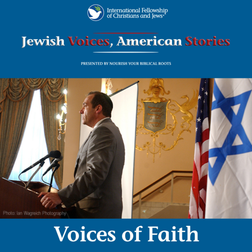
Jewish Voices, American Stories: Voices of Faith
This episode of Jewish Voices, American Stories shares the stories of three American rabbis who helped shape a more inclusive, compassionate, and courageous nation through their convictions and actions. We begin with Rabbi Jacob Frankel, whose appointment as the first Jewish chaplain in the U.S. Army marked a turning point in American history. At a time when Jewish soldiers were excluded from spiritual leadership, Frankel’s service ensured that faith would not be a barrier—but a source of comfort, dignity, and belonging, even in the darkest moments of the Civil War. Next, we meet Rabbi Abraham Joshua Heschel, who believed that faith must be lived out through action. Marching alongside Dr. Martin Luther King Jr., Rabbi Heschel showed that standing against hatred is not optional—it is a calling rooted in faith. Finally, we reflect on the life and legacy of Rabbi Yechiel Eckstein, founder of the International Fellowship of Christians and Jews. Through his vision, relationships once marked by distance became bridges of fellowship and understanding—uniting people of faith around the world. These stories remind us that faith is not meant to remain private or passive. It is meant to move us—to stand together, to serve others, and to build bridges when and where they are needed most. To learn more about God’s people—from the days of the Bible through the present—visit The Fellowship’s Learn Center.
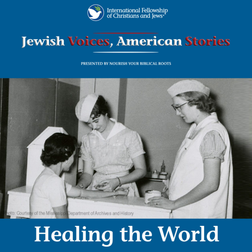
Jewish Voices, American Stories: Healing the World
This episode of Jewish Voices, American Stories explores how Jewish-American scientists and doctors helped change the course of history—bringing healing, hope, and life to millions. We begin with Jonas Salk and Albert Sabin, two brilliant scientists whose breakthroughs in the fight against polio transformed one of America’s greatest fears into one of its greatest public health victories. At a time when families lived in dread of the disease, their vaccines brought relief, protection, and a future free from fear—and they chose to share their discoveries not for profit, but for the good of humanity. Next, we meet Dr. Henry Heimlich, whose simple yet lifesaving maneuver empowered ordinary people to act in moments of crisis. His work reminds us that sometimes the difference between life and death comes down to knowledge—shared, practical, and ready in an instant. Finally, we turn to two of the most influential scientific minds of the modern era: Albert Einstein and Richard Feynman. Their discoveries reshaped how we understand the universe, while also raising profound questions about responsibility, ethics, and the power of knowledge. From the atomic age to the space age, their work helped define the modern world. These stories reflect a deeply rooted value in Jewish tradition: the call to pursue knowledge, to ask questions, and to use what we learn to better the world. And through these individuals, we see how science—guided by purpose and responsibility—can truly help heal the world. To learn more about God’s people—from the days of the Bible through the present—visit The Fellowship’s Learn Center.
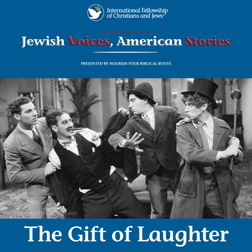
Jewish Voices, American Stories: The Gift of Laughter
This episode of Jewish Voices, American Stories looks at God’s gift of laughter—and how Jewish comedians have helped bring joy, resilience, and connection to American life. We begin with the Marx Brothers, a family of immigrant performers whose quick wit, physical comedy, and unforgettable characters helped define American humor. In times of hardship and uncertainty, their laughter offered something more than entertainment—it offered relief, creativity, and even healing. Next, we meet Gene Wilder and Gilda Radner, two performers whose comedy made audiences laugh while also touching the heart. From The Producers to Saturday Night Live, their work reflected a uniquely human kind of humor—one rooted in vulnerability, love, and the ability to bring light into life’s hardest moments. Finally, we hear a personal reflection on Adam Sandler, a comedian whose work has connected generations. From the playful humor of his early career to the deeper themes in his later roles, Sandler’s voice has helped make Jewish identity visible, relatable, and joyful—reminding us that laughter can build bridges in unexpected ways. These stories remind us that laughter is more than just humor. It’s resilience. It’s connection. And sometimes, it’s exactly what we need to carry us through—and bring us closer together. To learn more about God’s people—from the days of the Bible through the present—visit The Fellowship’s Learn Center.
1 di 29