Neuroscience Perspectives

Neuroscience Perspectives

di Del Monte Institute for Neuroscience at the University of Rochester
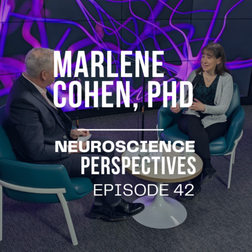
Why Can't You 'See' Everything? The Neuroscience Behind Selective Attention
Dr. Marlene Cohen, professor of Neurobiology at the University of Chicago's Neuroscience Institute, discusses how selective attention helps us pick out what is important in the world around us. Our eyes are constantly bombarded with information, which then enters the brain for processing. This highlights the intricate work of neuroscience in understanding brain function and how we perceive our environment. She is recognized for using multielectrode array recordings to show that a specific pattern of brain activity is reduced when the brain prioritizes information, and that the same mechanism is used when we learn. Today, her research investigates how neural activity gives rise to behavior, particularly in the context of visual attention, and she has also moved into translational work. #neuroscience #cognitive science #brainscience #selectiveattention #optic 🧠Stay Connected Subscribe: https://www.youtube.com/@URNeuroscience X: https://x.com/URNeuroscience BlueSky: https://bsky.app/profile/urneuroscience.bsky.social LinkedIn: https://www.linkedin.com/company/urneuroscience/ 🧠Experts in this Episode: Marlene Cohen, PhD: https://neurobiology.uchicago.edu/faculty/marlene-cohen John Foxe, PhD: https://www.urmc.rochester.edu/people/112360965-john-j-foxe 🧠Labs Mentioned: Marlene Cohen Lab: http://www.cohenlab.com/ Frederick J. and Marion A. Schindler Cognitive Neurophysiology Lab: https://urmc.info/1RG
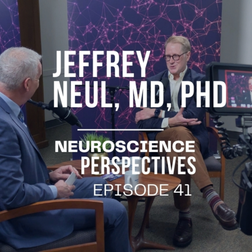
Rett Syndrome: Symptoms, Genetics, Science, and Clinical Trials
What is Rett syndrome—and how close are we to effective treatments? In this episode of Neuroscience Perspectives, Dr. John Foxe, director of the Del Monte Institute for Neuroscience at University of Rochester Medicine, sits down with Dr. Jeffrey Neul, a leading expert in pediatric neurology and neurodevelopmental disorders, to explore the latest breakthroughs in Rett syndrome research, clinical trials, and biomarker development. Rett syndrome is a rare genetic neurological disorder that primarily affects girls and is often caused by mutations in the MECP2 gene. Dr. Neul shares how advances in neurogenetics and translational neuroscience are transforming how researchers understand and treat this complex condition. #RettSyndrome #Neuroscience #RareDisease #PediatricNeurology #BrainResearch #Neurodevelopment #ClinicalTrials #MedicalResearch #SciencePodcast #Podcast 🧠Stay Connected Subscribe: https://www.youtube.com/@URNeuroscience X: https://x.com/URNeuroscience BlueSky: https://bsky.app/profile/urneuroscience.bsky.social LinkedIn: https://www.linkedin.com/company/urneuroscience/ 🧠Experts in this Episode: Jeffrey Neul, MD, PhD: https://vkc.vumc.org/people/neul-jeffrey John Foxe, PhD: https://www.urmc.rochester.edu/people/112360965-john-j-foxe 🧠Labs Mentioned: Neul Lab: http://neullab.com/index.html Frederick J. and Marion A. Schindler Cognitive Neurophysiology Lab: https://urmc.info/1RG
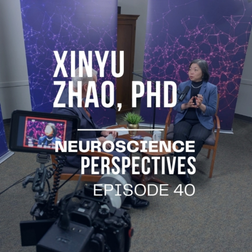
Brain Organoids Unlock New Understanding of Developmental Disorders
What the hippocampus tells us about exercise, learning, and memory. How organoids are being used in neurodevelopmental research. And the future of medicine and stem cell therapy. In this episode, Dr. Xinyu Zhao, Distinguished Professor of Neuroscience at the University of Wisconsin–Madison, and investigator at the Waisman Center, joins John Foxe, PhD, director of the Del Monte Institute for Neuroscience at the University of Rochester. Dr. Zhao is internationally recognized for groundbreaking research on the molecular mechanisms that regulate neural stem cells, adult neurogenesis, and brain development, including how disruptions in these processes contribute to neurodevelopmental disorders like autism, fragile X syndrome, and Rett syndrome. Dr. Zhao was a keynote speaker at the 2025 Golisano Intellectual and Developmental Disabilities Institute and Del Monte Institute for Neuroscience Symposium. 🧠Stay Connected Subscribe: https://www.youtube.com/@URNeuroscience X: https://x.com/URNeuroscience BlueSky: https://bsky.app/profile/urneuroscience.bsky.social LinkedIn: https://www.linkedin.com/company/urneuroscience/ 🧠Experts in this Episode: Xinyu Zhao, PhD: https://neuro.wisc.edu/staff/zhao-xinyu/ John Foxe, PhD: https://www.urmc.rochester.edu/people/112360965-john-j-foxe 🧠Labs Mentioned: Zhao Lab: https://zhao-lab.com/ Frederick J. and Marion A. Schindler Cognitive Neurophysiology Lab: https://urmc.info/1RG
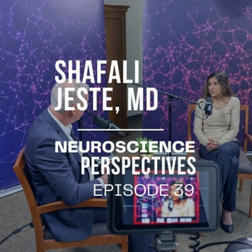
What the Developing Brain Could Reveal About Autism
In this episode of Neuroscience Perspectives, we speak with Dr. Shafali Jeste, an internationally recognized child neurologist whose research has advanced the identification of early biomarkers that predict autism spectrum disorder and epilepsy in infants with Tuberous Sclerosis Complex. Dr. Jeste shares how brain imaging and EEG are advancing our understanding of infant brain development. Dr. Jeste is Chair and Executive Medical Director of Pediatrics at the David Geffen School of Medicine at UCLA, and Executive Director of the Children’s Discovery and Innovation Institute. From autism biomarkers to translational research, this conversation highlights how neuroscience is improving care for children with neurodevelopmental disorders and developmental disabilities. Subscribe for more episodes from Neuroscience Perspectives, featuring researchers from the University of Rochester and those who visit. #neuroscience #podcast #autism #research #Neurodevelopment #braindevelopment #sciencepodcast #womeninscience #autismawareness 🧠 Stay Connected Subscribe: https://www.youtube.com/@URNeuroscience X: https://x.com/URNeuroscience BlueSky: https://bsky.app/profile/urneuroscience.bsky.social LinkedIn: https://www.linkedin.com/company/urneuroscience/ 🧠 Experts in this Episode Shafali Jeste, MD: https://teams.semel.ucla.edu/tarjan/team/shafali-jeste-md John Foxe, PhD: https://www.urmc.rochester.edu/people/112360965-john-j-foxe
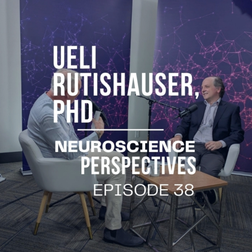
Neurons Don't Work Alone: What Neuroscientists Know About Memory Formation
🧠How do memories form in the brain? How do individual neurons create memories? In this episode of Neuroscience Perspectives, Ueli Rutishauser, PhD, professor of Neurosurgery, Neurology & Biomedical Sciences, and director of Human Neurophysiology Research and the Center for Neural Science and Medicine at Cedars-Sinai, explores groundbreaking neuroscience research on memory formation, learning, and neural activity in the human brain. Using single-neuron recordings, Dr. Rutishauser explains to Dr. John Foxe how the hippocampus and other brain regions encode episodic memory and cognition. This conversation dives into how brain cells communicate, how memories are formed and retrieved, and why studying neurons at the single-cell level is transforming cognitive neuroscience. We caught up with Dr. Rutishauser in San Diego at the Society for Neuroscience Conference #SfN25 #Brain #Science #HowTheBrainWorks #MindAndBrain #MemoryScience #BrainFacts #NeuroscienceExplained #ScienceEducation #STEM #Research #Podcast #LongFormContent 🧠Stay Connected Subscribe: https://www.youtube.com/@URNeuroscience X: https://x.com/URNeuroscience BlueSky: https://bsky.app/profile/urneuroscience.bsky.social LinkedIn: https://www.linkedin.com/company/urneuroscience/ 🧠Experts in this Episode: Ueli Rutishauser, PhD: https://researchers.cedars-sinai.edu/Ueli.Rutishauser John Foxe, PhD: https://www.urmc.rochester.edu/people/112360965-john-j-foxe 🧠Labs Mentioned: Rutishauser Lab: https://www.cedars-sinai.edu/health-sciences-university/research/labs/rutishauser.html Frederick J. and Marion A. Schindler Cognitive Neurophysiology Lab: https://urmc.info/1RG
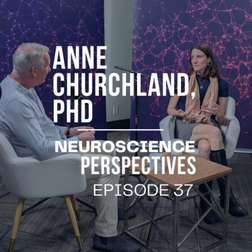
The Role of Neurons in Our Decisions & Behavior
In this episode of Neuroscience Perspectives, Dr. Anne Churchland, professor of Neurobiology at the David Geffen School of Medicine and the Brain Research Institute at the University of California, Los Angeles, explores how the brain transforms sensory information into decisions. Through the use of neuroscience, mouse models, and data analysis, she examines the neural circuits in the cortex that connect perception, attention, learning, and behavior. This conversation highlights cutting-edge brain research, offering insight into how brain signals shape choice and cognition. Dr. Churchland gave the Notter Lecture at the University of Rochester Medical Center in 2021: https://www.youtube.com/watch?v=J8eVajX4ZjA We caught up with her in San Diego at the Society for Neuroscience Conference #SfN25 #neuroscience #sciencefacts #DecisionMaking #podcast #science #sciencepodcast Stay Connected Subscribe: https://www.youtube.com/@URNeuroscience X: https://x.com/URNeuroscience BlueSky: https://bsky.app/profile/urneuroscience.bsky.social LinkedIn: https://www.linkedin.com/company/urneuroscience/ Experts in this Episode: Anne Churchland, PhD: https://bri.ucla.edu/people/anne-churchland/ John Foxe, PhD: https://www.urmc.rochester.edu/people/112360965-john-j-foxe Labs Mentioned: Churchland Lab: https://churchlandlab.dgsom.ucla.edu/ Frederick J. and Marion A. Schindler Cognitive Neurophysiology Lab: https://urmc.info/1RG
The Future of Memory: Single Neurons, Consciousness & Cognitive Decline
Join this conversation with the world-renowned neurosurgeon and neuroscientist, Dr. Itzhak Fried. In this episode of Neuroscience Perspectives, Dr. Fried, professor of neurosurgery, psychiatry, and biobehavioral sciences, and co-director of the UCLA Seizure Disorder Center at the UCLA School of Medicine he is a pioneering researcher and recipient of major international awards, including the Ramon y Cajal and Tsubokawa Awards—joins us to explore the neural basis of memory, will, and human behavior. From developing methods to record single neurons in the human brain to investigating how we might prevent “cognitive catastrophe” through minimally invasive memory prosthetics, Dr. Fried’s work is reshaping our understanding of consciousness itself. He discusses breakthroughs born from epilepsy surgery, the famous “Jennifer Aniston neuron,” and what his international clinical and research career has taught him about the future of neuroscience. #Neuroscience #BrainResearch #EpilepsySurgery #Science #memory #memory #CognitiveNeuroscience #NeuralRecording #ConsciousnessStudy #BrainHealth #sciencepodcast #podcast 🧠 Stay Connected Subscribe: https://www.youtube.com/@URNeuroscience X: https://x.com/URNeuroscience BlueSky: https://bsky.app/profile/urneuroscience.bsky.social LinkedIn: https://www.linkedin.com/company/urneuroscience/ 🧠Experts in this Episode: Itzhak Fried, MD, PhD: https://www.uclahealth.org/providers/itzhak-fried John Foxe, PhD: https://www.urmc.rochester.edu/people/112360965-john-j-foxe 🧠Labs Mentioned: Cognitive Neurophysiology Laboratory: https://friedcnl.ucla.edu/team/ Frederick J. and Marion A. Schindler Cognitive Neurophysiology Lab: https://urmc.info/1RG
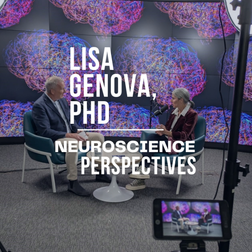
What Happens When Science Meets Storytelling? With Best-Selling Author & Neuroscientist Lisa Genova
In this episode of Neuroscience Perspectives, host John Foxe, PhD, sits down with neuroscientist and New York Times bestselling author Dr. Lisa Genova — acclaimed for her groundbreaking novel Still Alice and her powerful storytelling that brings neurological diseases to life. Dr. Genova bridges science and storytelling to deepen public understanding of conditions such as Alzheimer’s, Huntington’s, ALS, autism, and bipolar disorder, inspiring empathy for those affected and reshaping how these diseases are perceived beyond the lab and clinic. Watch to explore how narrative can be a powerful tool for translating neuroscience, fostering compassion, and influencing the dialogue around brain health. #Neuroscience #BrainHealth #LisaGenova Stay Connected Subscribe: https://www.youtube.com/@URNeuroscience X: https://x.com/URNeuroscience BlueSky: https://bsky.app/profile/urneuroscience.bsky.social LinkedIn: https://www.linkedin.com/company/urneuroscience/ Experts in this Episode: Lisa Genova, PhD: https://www.lisagenova.com/ John Foxe, PhD: https://www.urmc.rochester.edu/people/112360965-john-j-foxe
Can the Brain Be Repaired by Replacing Its Cells?
In this episode of Neuroscience Perspectives, Steven Goldman, MD, PhD, URMC Distinguished Professor in Neurosciences at the University of Rochester Medical Center, discusses groundbreaking neuroscience research on brain cell repair, stem cell therapy, and regenerative medicine. Learn how his early research in birds has led to research that shows the adult brain can generate new neurons that integrate into key motor circuits. These findings demonstrate that stimulating natural brain processes may help repair damaged neural networks in Huntington's and other diseases. Dr. Goldman described decades of research in glial cells that are shaping our understanding of brain health and allowing the exploration of new approaches to treating Huntington’s disease, multiple sclerosis, and Alzheimer’s disease. #Neuroscience #BrainHealth #StemCells #Alzheimers #MultipleSclerosis #RegenerativeMedicine #Neurodegeneration #Podcast
RE-RELEASE: Jessica Cardin, PhD - From Daydreaming To Laser Focus How Your Brain Changes
In this episode of Neuroscience Perspectives, take on the complex circuits of the brain with Jessica Cardin, PhD, professor of neuroscience at Yale University School of Medicine. Join host John Foxe, PhD, director of the Del Monte Institute for Neuroscience at the University of Rochester, as he and Dr. Cardin discuss how brain states shift—from zoning out to laser focus—and the chemical signals and non-neuronal cells that help drive those changes. Discover how her lab is harnessing new technologies and big data approaches, including machine learning, to unravel how the brain integrates countless signals to guide decision-making and behavior. From exploring autism- and schizophrenia-related genes to studying models of aging and Alzheimer’s disease, Cardin’s research highlights both the promise and the challenges of understanding such a complex system. Subscribe to Neuroscience Perspectives today! #podcast #neuroscience #science #research #brain Stay Connected Subscribe: https://www.youtube.com/@URNeuroscience X: https://x.com/URNeuroscience BlueSky: https://bsky.app/profile/urneuroscience.bsky.social LinkedIn: https://www.linkedin.com/company/urneuroscience/ Experts in this Episode: Jessica Cardin, PhD: https://medicine.yale.edu/profile/jess-cardin/ John Foxe, PhD: https://www.urmc.rochester.edu/people/112360965-john-j-foxe Labs Mentioned: Cardin Lab: https://cardinlab.org Frederick J. and Marion A. Schindler Cognitive Neurophysiology Lab: https://urmc.info/1RG
1 di 5