Designed 4 Recovery | Healthcare Design Innovation and Efficiency

Designed 4 Recovery | Healthcare Design Innovation and Efficiency

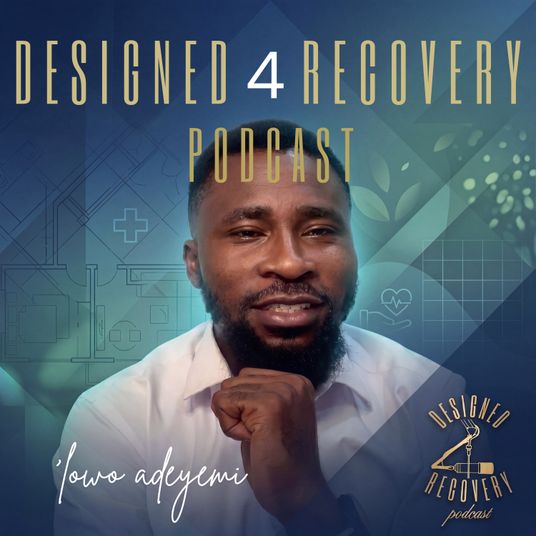
di ‘lowo Adeyemi | Healthcare Design Architect
Stagione 2
D4R Psychology of Perception Final Episode: The Future of Recovery-Centered Design
What if the hospital of the future could do more than treat illness—what if it could actively support the experience of healing? In the final episode of The Psychology of Perception, Designed 4 Recovery looks toward a future where healthcare environments are shaped by neuroarchitecture, psychology, technology, and evidence-based emotional design. We explore how hospitals can be designed around human experience, supporting emotional wellbeing, autonomy, connection, dignity, and recovery. Because architecture may not be medicine—but it can help create the conditions in which healing happens. The future of healthcare isn't simply about smarter hospitals. It's about more human hospitals. #Designed4Recovery #HealthcareDesign #RecoveryCenteredDesign #Neuroarchitecture #EvidenceBasedDesign #HealingEnvironments #HealthcareArchitecture #PatientExperience
D4R The Psychology of Perception Ep 9: Healing Through Human Connection
What if one of the most important elements in recovery isn't found in a piece of medical equipment—but in the feeling that someone is there with you? Illness can be deeply isolating. Patients may find themselves separated from family, disconnected from their communities, or surrounded by people while still feeling emotionally alone. But healthcare environments can either reinforce that isolation or create opportunities for connection, belonging, and support. In this episode of Designed 4 Recovery, we explore the powerful relationship between healthcare design and human connection. From patient rooms and family spaces to communal areas, gardens, rehabilitation environments, and community clinics, we examine how architecture can create opportunities for meaningful interaction without compromising privacy or personal autonomy. We also explore an important shift in healthcare design: What if we stopped designing only for the patient and started designing for the relationships surrounding the patient? Because recovery rarely happens in isolation. It happens through relationships—with family, caregivers, clinicians, friends, communities, and sometimes even strangers who remind us that we are not alone.
D4R The Psychology of Perception Ep 8: The Emotional Weight of Waiting
In this conversation, Adelowo Adeyemi discusses the critical role of design in healthcare waiting areas, emphasizing the importance of acoustic design, privacy, and emotional support. He highlights how the waiting experience can significantly impact patients' perceptions and emotional states, advocating for thoughtful design that caters to diverse needs and transforms waiting into a meaningful part of the healthcare journey. Takeaways Noise can create sensory fatigue in waiting areas. Acoustic design is essential for a calming environment. Privacy should begin at arrival, not just in consultation rooms. Waiting experiences differ greatly among individuals. Inclusive design must cater to various patient needs. Waiting areas can influence first impressions of healthcare institutions. Design should help patients prepare for what comes next. Comfort and dignity are crucial during uncertain times. Waiting is filled with emotion and should be designed accordingly. Design for recovery starts the moment someone enters the facility.
D4R The Psychology of Perception Ep 7: Biophilia and the Healing Mind
In this conversation, Lowo Adeyemi explores the profound relationship between nature and healthcare design, emphasizing the importance of biophilia in creating healing environments. He discusses how natural elements can positively impact patients' psychological well-being, the significance of natural light, and the need for thoughtful design that integrates nature into healthcare settings. Adeyemi highlights the role of healthcare workers in these environments and advocates for a holistic approach that combines technology with nature to enhance patient care and recovery. Takeaways Nature can significantly influence emotional states. Biophilic design goes beyond decoration; it addresses human needs. Natural light is crucial for regulating circadian rhythms. Views of nature can expand a patient's psychological space. Attention restoration is vital for patient recovery. Healing environments should consider the needs of healthcare workers. Therapeutic landscapes must be intentionally designed for various users. Nature should be seen as supportive infrastructure for well-being. Integrating nature and technology can enhance healthcare environments. The narrative surrounding illness can be changed through design.
D4R Psychology of Perception Ep 6: The Healing Power of Control
Healing is not only influenced by medicine—it is also shaped by a person's sense of control. In this episode of Designed 4 Recovery, we explore how healthcare environments can either reinforce feelings of helplessness or empower patients to actively participate in their own recovery. When illness disrupts daily life, patients often lose control over their routines, privacy, decisions, and independence. While some of these changes are unavoidable, the built environment can either intensify that loss—or help restore a sense of agency. Drawing from environmental psychology, neuroscience, and evidence-based healthcare design, this episode examines why autonomy is a fundamental human need and how even small opportunities for personal choice can significantly influence emotional well-being, resilience, and engagement with care. From adjustable lighting and room personalization to intuitive wayfinding and family-inclusive spaces, we discuss how healthcare design can provide patients with meaningful control over their surroundings, reinforcing dignity and confidence throughout the healing journey.
D4R Psychology of Perception Ep 5: Restoring Identity: Designing Beyond the "Sick Role"
Illness can change more than the body—it can change how people see themselves. In this episode of Designed 4 Recovery, we explore one of the most profound yet overlooked dimensions of healthcare design: its ability to preserve and restore patient identity. While clinical care focuses on treating disease, the built environment continuously influences how patients perceive themselves, their dignity, their independence, and their place in the world. When individuals enter a healthcare facility, they often leave behind familiar routines, personal spaces, and roles that define who they are. Without careful attention to the patient experience, healthcare environments can unintentionally reinforce what psychologists describe as the "sick role," where individuals begin to identify more with their illness than with the person they have always been. This episode examines how thoughtful, human-centered design can help patients maintain their sense of self throughout the healing journey. Through evidence-based healthcare design, environmental psychology, and neuroscience, we explore how architecture can communicate dignity, autonomy, belonging, and hope—helping patients see themselves not simply as recipients of care, but as whole human beings capable of recovery.
D4R Psychology of Perception Series Ep 4: Designing Hope: The Psychology of Positive Expectation
Hope is more than a feeling—it is a powerful psychological resource that can shape how people experience illness, engage with treatment, and navigate the recovery journey. In this episode of Designed 4 Recovery, we explore how healthcare environments can influence one of the most important yet often overlooked dimensions of healing: positive expectation. While medicine treats the body, the built environment continuously communicates messages to the mind about safety, possibility, resilience, and recovery. Drawing from neuroscience, environmental psychology, and evidence-based healthcare design, this episode examines how thoughtfully designed spaces can foster optimism, emotional stability, and a belief in healing. We discuss how environmental cues such as natural light, biophilic design, visual openness, beauty, comfort, and human-centered planning can provide positive psychological feedback that supports patient well-being. At the heart of this conversation is a simple but profound question: What if healthcare environments could help patients see a future beyond their illness? In This Episode, You'll Learn: Why hope plays a critical role in the healing journey How positive expectation influences patient behavior and emotional resilience The connection between perception, mindset, and recovery experiences What “hope-centered design” looks like in healthcare settings How daylight, nature, artwork, and spatial quality contribute to emotional well-being Why healthcare environments should communicate possibility, not just treatment How design can help counter fear, despair, and emotional exhaustion Key Takeaway Healthcare environments are constantly communicating with patients. When spaces are designed to foster dignity, beauty, comfort, and connection, they can help reinforce positive expectations and create psychological conditions that support healing. While design cannot cure disease, it can cultivate the hope and resilience that help patients move forward in recovery. Quote from This Episode "Before the body embraces recovery, the mind often needs a reason to believe that healing is possible." Questions Explored Can healthcare design influence a patient's outlook on recovery? What does hope look like in physical form? How can healthcare environments provide positive psychological reinforcement? What role does beauty play in healing-centered design?
D4R Psychology of Perception Ep 3: Fear, Stress, and the Healing Brain
Healing is not only about treating disease—it is also about creating the conditions that allow the body to recover. In this episode of Designed 4 Recovery, we explore the profound relationship between stress, the nervous system, and the built healthcare environment. While hospitals and healthcare facilities are designed to deliver care, many unintentionally expose patients to environmental stressors that can heighten anxiety, disrupt sleep, increase emotional fatigue, and keep the body in a prolonged state of alertness. Drawing on neuroscience, environmental psychology, and evidence-based healthcare design, this episode examines how the brain interprets environmental cues and how those perceptions influence physiological responses. From noise and overcrowding to lighting, privacy, and wayfinding, every aspect of the healthcare environment can either contribute to stress—or help regulate it. We discuss why psychological safety is an essential component of healing and how healthcare design can support the transition from survival mode to recovery mode. In This Episode, You'll Learn: How the brain and body respond to perceived environmental threats The role of cortisol, stress, and the nervous system in healing Why many healthcare environments unintentionally increase patient stress How sensory overload impacts emotional and physiological well-being The principles of trauma-informed healthcare design How daylight, acoustics, nature, and spatial organization support nervous system regulation Why healing environments should be viewed as biological support systems Key Takeaway The body heals differently when the brain feels safe. Healthcare environments that reduce fear, uncertainty, and sensory stress can help create the physiological conditions necessary for recovery. Designing for emotional regulation is not a luxury—it is an essential component of patient-centered care. Quote from This Episode "The brain cannot always distinguish between medical danger and environmental threat. When the environment feels unsafe, the body responds accordingly." Questions Explored How does stress affect the body's ability to heal? What environmental factors contribute to anxiety and emotional fatigue in healthcare settings? How can healthcare design help calm the nervous system and support recovery? What does it mean to create psychologically safe healthcare environments? Why This Matters Patients often arrive in healthcare settings already experiencing uncertainty, vulnerability, and fear. If the environment amplifies those emotions, it can add another layer of stress to the healing journey. By understanding how the built environment influences the nervous system, healthcare designers and leaders can create spaces that actively support recovery rather than unintentionally hinder it.
D4R Psychology of Perception Ep 2: Architecture as Suggestion: When Space Speaks to the Subconscious
What if healthcare environments do more than house medical care? What if the spaces themselves influence how patients think, feel, and even approach their recovery? In this episode of Designed 4 Recovery, we explore the powerful concept of environmental suggestion—the idea that healthcare spaces continuously communicate with the subconscious mind through light, color, materials, spatial organization, sound, and sensory experiences. While patients may consciously focus on their diagnosis or treatment plan, their brains are simultaneously absorbing messages from the physical environment. These messages can reinforce fear, uncertainty, and helplessness—or cultivate safety, trust, optimism, and hope. Drawing from environmental psychology, neuroscience, and evidence-based healthcare design, this episode examines how architecture becomes a silent language that shapes emotional interpretation and influences patient expectations. We also explore the fascinating connection between positive expectation, perception, and healing, and why healthcare designers should think of buildings not simply as structures, but as active participants in the patient experience. In This Episode, You'll Learn: How the subconscious mind interprets healthcare environments Why architecture functions as a form of psychological suggestion The relationship between expectation, belief, and healing How environmental cues influence emotional responses to care The role of symbolism in healthcare architecture Why thoughtful design can reinforce hope, trust, and resilience How positive sensory experiences contribute to emotional well-being Key Takeaway Patients do not simply occupy healthcare spaces—they psychologically absorb them. Every healthcare environment communicates a message, and those messages shape how patients perceive themselves, their care, and their potential for recovery. Quote from This Episode "Patients do not simply experience healthcare environments physically; they interpret them psychologically." Questions Explored What messages are healthcare spaces communicating to patients? Can architecture influence how people feel about their recovery journey? How can design provide positive psychological feedback that supports healing? Why This Matters The mind and body are deeply interconnected. When healthcare environments communicate safety, dignity, and possibility, they can help create the psychological conditions that support healing. Understanding this connection allows designers, clinicians, and healthcare leaders to rethink the role of the built environment in patient care. Connect with Designed 4 Recovery Designed 4 Recovery explores how evidence-based healthcare design can improve patient outcomes, enhance staff well-being, and create environments that support holistic healing. Subscribe, share, and join us as we uncover the hidden ways healthcare design shapes the human experience. #HealthcareDesign #EvidenceBasedDesign #EnvironmentalPsychology #HealingEnvironments #Neuroarchitecture #PatientExperience #HealthcareArchitecture #Designed4Recovery #HumanCenteredDesign #PsychologyOfSpace
D4R Psychology of Perception Series Ep 1: The Mind Reads the Room Before the Body Heals
Before a doctor speaks, before a diagnosis is explained, and before treatment begins, the human brain has already started interpreting the healthcare environment. In this opening episode of our new series, The Psychology of Perception, we explore how healthcare spaces influence the mind long before they influence the body. From lighting and acoustics to wayfinding and biophilic design, every aspect of the built environment sends psychological signals that shape how patients perceive safety, trust, dignity, and hope. Drawing on principles from environmental psychology, neuroscience, and evidence-based healthcare design, this episode examines how the brain continuously scans its surroundings for signs of danger or safety—and how those perceptions can influence stress levels, emotional well-being, and readiness for recovery. We also discuss how healthcare environments can unintentionally reinforce feelings of vulnerability and helplessness, and why designing spaces that communicate calm, control, and dignity may be just as important as the clinical care delivered within them. In This Episode, You'll Learn: Why the brain evaluates healthcare environments before treatment begins How first impressions influence patient perception and emotional response The connection between stress, perception, and healing outcomes How healthcare design can either reinforce or reduce patient anxiety The role of daylight, acoustics, nature, and spatial organization in promoting psychological safety Why healthcare environments should be viewed as active participants in the healing process Key Takeaway The mind reads the room before the body heals. Every healthcare environment communicates a message, and those messages can influence how patients feel, behave, and engage with recovery. By designing spaces that foster safety, dignity, and hope, we create environments that support healing at both the psychological and physiological levels. Quote from This Episode "The environment becomes the first form of care long before treatment begins." Series Question Can healthcare environments become silent therapeutic partners in recovery? Connect with Designed 4 Recovery Designed 4 Recovery explores the intersection of healthcare design, evidence-based architecture, neuroscience, and patient-centered care. Through thought-provoking conversations and practical insights, we examine how the built environment can transform healthcare experiences and outcomes. Subscribe, share, and join us as we rethink what it truly means to design for recovery. #HealthcareDesign #EvidenceBasedDesign #HealingEnvironments #PatientExperience #HealthcareArchitecture #EnvironmentalPsychology #Neuroarchitecture #Designed4Recovery
1 di 6