Rooted in Science

Rooted in Science

di Maria Harvey
Why do Sunflowers Follow The Sun?
In this last episode of the series Rooted in Science, our host Charlotte and plant biologist Dr Harvey explain why Sunflowers really follow the Sun. Listen to find out more! Here is the transcript: Host: Welcome back to Rooted in Science! I'm your host, Charlotte. Today we're asking: Why do sunflowers follow the sun? Joining us again is plant biologist Dr. Harvey. Thanks for being here! Dr. Harvey: Thanks for having me! Host: Do sunflowers really follow the sun? Dr. Harvey: Yes, but only when they're young. Young sunflower buds turn to face the sun as it moves across the sky. This movement is called heliotropism. Host: Why do they do that? Dr. Harvey: Following the sun helps young sunflowers get more sunlight, which helps them grow faster and stronger. Host: Do mature sunflowers keep following the sun? Dr. Harvey: No. Once the flowers are fully grown, they stop moving and usually face east. This helps them warm up earlier in the day, which can attract more pollinators like bees. Host: So, what's the main takeaway? Dr. Harvey: Young sunflowers follow the sun to help them grow, but mature sunflowers stop moving and usually face east. Host: Thanks for joining us, Dr. Harvey! Host: Thanks for listening to Rooted in Science. See you next time for another science question!
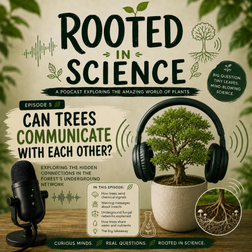
Can Trees Communicate with Each Other?
Can trees communicate with each other? Join our host Charlotte and plant biologist Dr Harvey as they unravel this question. Here is the transcript: Host: Welcome back to Rooted in Science! I'm your host, Charlotte. Today we're asking: Can trees communicate with each other? Joining us again is plant biologist Dr. Harvey. Thanks for being here! Dr. Harvey: Thanks for having me! Host: Can trees really communicate? Dr. Harvey: Yes, in a way they can! Trees don't talk with words, but they send chemical signals through the air and can also share messages underground through networks of fungi connected to their roots. Host: What do they communicate about? Dr. Harvey: If a tree is being eaten by insects, it can release chemicals into the air. Nearby trees detect these chemicals and may begin producing their own defences before the insects reach them. Host: That's amazing! Do trees also help each other? Dr. Harvey: Scientists have found that connected trees can sometimes share water and nutrients through underground fungal networks, especially when one tree is under stress. Host: So, what's the main takeaway? Dr. Harvey: Trees don't communicate like humans, but they can share chemical signals and sometimes exchange resources to help them survive. Host: Thanks for joining us, Dr. Harvey! Host: That's all for today's episode. Join us next time as we uncover another amazing fact about the natural world!
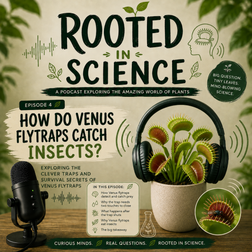
How Do Venus Flytraps Catch Insects?
Join our host Charlotte and plant biologist Dr Harvey in this episode of Rooted in Science while they answer the talked about question, how do Venus flytraps catch insects? Here is the transcript: Host: Welcome back to Rooted in Science! I'm your host, Charlotte. Today we're asking: How do Venus flytraps catch insects? Joining us again is plant biologist Dr. Harvey. Thanks for being here! Dr. Harvey: Thanks for having me! Host: So, how does a Venus flytrap catch its food? Dr. Harvey: Each trap has tiny trigger hairs on the inside. When an insect touches two of these hairs, or the same hair twice in a short time, the trap quickly snaps shut. Host: Why doesn't it close every time something touches it? Dr. Harvey: That's a great question! The plant waits for more than one touch so it doesn't waste energy closing for things like raindrops or leaves. Host: What happens after the trap closes? Dr. Harvey: If an insect is trapped, the plant seals the trap and releases digestive juices. It absorbs nutrients from the insect over several days before reopening. Host: So, what's the main takeaway? Dr. Harvey: Venus flytraps don't eat insects because they're hungry—they catch them to get extra nutrients from the poor soil where they grow. Host: Thanks for joining us, Dr. Harvey! Host: Thanks for listening to Rooted in Science. See you next time for another science question!
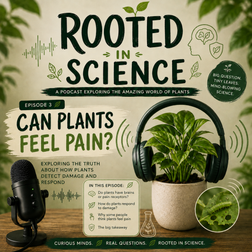
Can Plants Feel Pain?
In another exciting episode of Rooted in Science, our host Charlotte and plant biologist Dr Harvey answer a very important question, can plants feel pain? Listen to find out more! Here is the transcript: Host: Welcome back to Rooted in Science! I'm your host, Scarlett. Today we're asking a fascinating question: Can plants feel pain? Joining us again is plant biologist Dr. Harvey. Thanks for being here! Dr. Harvey: Thanks for having me! Host: Can plants feel pain like humans or animals? Dr. Harvey: No. Plants don't have a brain, nerves, or pain receptors, so they can't feel pain the way people and animals do. Host: But don't plants react when they're cut or damaged? Dr. Harvey: They do! When a plant is damaged, it sends chemical signals to other parts of the plant. These signals help it defend itself, such as by producing chemicals that make its leaves less appealing to insects. Host: So why do some people think plants can feel pain? Dr. Harvey: Because plants respond to their environment in amazing ways. They can react to touch, light, and damage, but responding isn't the same as feeling pain. Host: So, what's the main takeaway? Dr. Harvey: Plants can't feel pain like humans or animals, but they can detect damage and respond to protect themselves. Host: Thanks for joining us, Dr. Harvey! Host: Thanks for listening! We'll be back soon with another exciting science mystery to explore.
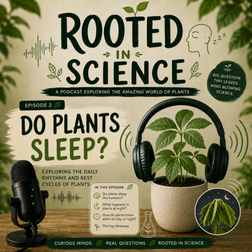
Do Plants Sleep?
In this episode of Rooted in Science, our host Charlotte and plant biologist Dr Harvey answer the question of...do plants sleep? Listen to find out! Here is the transcript: Host: Welcome back to Rooted in Science! I'm your host, Charlotte. Today we're asking: Do plants sleep? Joining us again is plant biologist Dr. Harvey. Thanks for being here! Dr. Harvey: Thanks for having me! Host: Do plants sleep like people do? Dr. Harvey: Not exactly. Plants don't have brains, so they don't sleep like humans. But they do have a daily cycle of activity and rest. Host: What happens to plants at night? Dr. Harvey: They stop photosynthesis because there's no sunlight. Instead, they grow, repair their cells, and some plants even fold their leaves at night. Host: How do they know when it's day or night? Dr. Harvey: Plants have an internal clock that responds to light and darkness, helping them know when to grow and when to rest. Host: So, what's the main takeaway? Dr. Harvey: Plants don't sleep like we do, but they follow a daily rhythm that helps keep them healthy. Host: Thanks for joining us, Dr. Harvey! Host: Thanks for listening to Rooted in Science. See you next time for another science question!
Can Plants Hear Us?
In this episode of Rooted in Science, our host Charlotte and our plant biologist Dr Harvey dive into a big question. Can plants hear us? To find out, listen to the episode! Here is the transcript: Host: Welcome back to Rooted in Science! I'm your host, Charlotte. Today we're asking a surprising question: Does sound affect plants? Joining me is plant biologist Dr. Harvey. Thanks for being here! Dr. Harvey: Thanks for having me! Host: Can plants hear us talking? Dr. Harvey: Not like humans or animals. Plants don't have ears or a brain, so they can't hear sounds the way we do. Host: Then why do people say talking to plants help them grow? Dr. Harvey: People who talk to their plants often take better care of them. Also, we breathe out carbon dioxide, which plants use to make food, but the amount from talking is very small. Host: Can plants sense sound in any way? Dr. Harvey: Yes! Scientists have found that plants can detect vibrations. For example, they can sense the vibrations made by insects eating their leaves and respond by producing chemicals to help protect themselves. Host: That's amazing! So, what's the main takeaway? Dr. Harvey: Plants can't hear like we can, but they can sense vibrations in their environment. They're much more aware of what's happening around them than most people think. Host: Thanks for joining us, Dr. Harvey! Host: That’s all from us! See you next time for another intriguing science question!