Campus Podcast @ Metro State University

Campus Podcast @ Metro State University

di Mr. Lucky — Educator, MAPL, M.S. Urban Education Student
Stagione 18

Black Learners Excellence — Take the Pledge
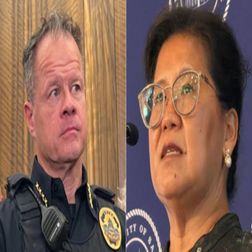
For My Book: www.weusoursluckybooks.com Email me for the PowerPoint Slides: radiotalklr@gmail.com 5E Learning Model Engage Students discuss a time they felt fully prepared—or unprepared—for class. Brief share‑outs highlight how preparation affects confidence and participation. Explore Students examine a short scenario of a highly prepared learner (reading ahead, annotating, asking questions). In groups, they list observable habits and why they matter. Explain Instructor clarifies the concept of conscientious learning: reading all chapters before class, annotating, preparing questions, engaging actively, and staying humble enough to say “I don’t know it all.” Elaborate Students apply the model by selecting a current course, outlining how they will prepare for the next class using the behaviors discussed. Evaluate (Formative Assessment) Students submit a one‑paragraph reflection describing one habit they will adopt immediately and why it will strengthen their academic identity. Contact: 773-809-8594

Mr. T Responds to Double Standards/Pity Da Fool

Learning Objective (with example) Objective: Students will be able to identify and explain a double standard presented in a comedic text about leadership behavior. Example: A student states, “The text shows a double standard because the mayor receives leniency that a man accused of similar conduct toward a woman would not receive.” Learning Outcome (with example) Outcome: Students will demonstrate understanding by citing one example of how humor is used to expose unequal treatment in the text. Example: A student writes, “The Mr. T line — ‘I pity the foo…’ — uses humor to highlight how a man would face harsher consequences.” 5E Learning Model Engage Read aloud a short excerpt from the comedic mayor article, especially one of the Mr. T lines. Ask: “Why does this line feel funny but also serious?” Explore Students highlight phrases in the text that show differences in how the fictional mayor is treated compared to how a man would be treated in the same situation. Explain Instructor defines double standard and models how the text uses humor to reveal unequal expectations in leadership accountability. Elaborate Students work in pairs to rewrite one Mr. T line in their own comedic style while keeping the double‑standard message intact. Evaluate (Formative Assessment) Students complete a one‑sentence exit slip: “Describe one double standard shown in the text and explain how humor helps reveal it.” Comments: radiotalklr@gmail.com

Samia Ali: Founder, People Forward Consulting
Order My Book at: www.weusoursluckybooks.com Ms. Ali's email: samia@peopleforwardmn.com Website: peopleforwardmn.com

On Campus: Enforcing the 1965 Voting Rights Act in 2026
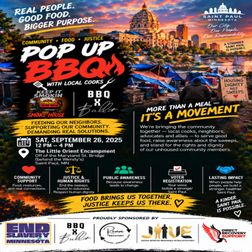
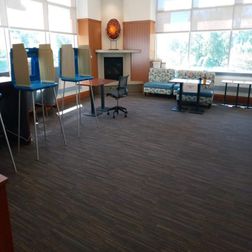
For a copy of my book: www.weusoursluckybooks.com Today, the Library’s first‑floor lounge at Metro State University was transformed into a hands‑on demonstration of enforcing the 1965 Voting Rights Act. The space operated as an educational enforcement zone where students, staff, and community members experienced how the protections guaranteed by the Voting Rights Act are upheld in real time. Volunteers greeted participants and walked them through the federally protected steps of the voting process — emphasizing equal access, nondiscrimination, and the removal of barriers that historically prevented many Americans from voting. Representatives from the St. Paul League of Women Voters were present to provide non‑partisan guidance, answer questions, and share resources on voter protections and civic participation. In alignment with the Voting Rights Act’s commitment to expanding access, attendees who were not yet registered to vote received assistance completing their voter registration. This reinforced the principle that voting is a protected right and that institutions have a responsibility to safeguard that right for every eligible voter. Participants also engaged in a light‑hearted ballot featuring Minnesota “hot‑take” questions, demonstrating how accessible voting procedures work from check‑in to ballot submission while highlighting the importance of barrier‑free elections. Hosted by: Metro State University Library & Information Services Community and Civic Engagement Center St. Paul League of Women Voters Contact this Podcast at 773-809-8594

PSA: Josh McMillen - Reaching Out for Our Community
See My Book www.weusoursluckybooks.com Visit the End Slavery Minnesota Coalition: mnendslavery.org To be a guest on this podcast and share something that you are doing call 773-809-8594 or email radiotalklr@gmail.com

How Boy Became Cowboy: A Black Historical Reconstruction

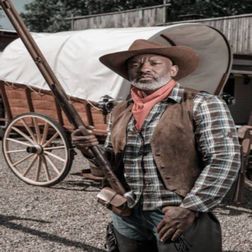
Order My Book: www.weusoursluckybooks.com Lesson Plan: Black Origins of “Cowboy” Description: Students explore the true historical origins of the term cowboy, focusing on enslaved Africans’ role in early cattle ranching, the linguistic roots of “cow-boy,” and the later whitewashing of the cowboy identity in American culture. Learning Objective Students will explain how enslaved Africans shaped the early cowboy occupation and how the term evolved through racialized language and cultural appropriation. Learning Outcomes Students identify the role of enslaved Africans in early cattle work. Example: naming tasks such as herding, breaking horses, or driving cattle. Students describe how “get the cow, boy” contributed to the term cowboy. Example: explaining how commands to enslaved workers became occupational labels. 5E Learning Model Engage: Show two contrasting images—Hollywood cowboy vs. Black cowboy—and ask students what they notice. Explore: Students read short excerpts on African cattle expertise and early ranching. Explain: Class discussion on how language, labor, and race shaped the term cowboy. Elaborate: Students connect cowboy whitewashing to other examples of cultural erasure in U.S. history. Evaluate: Students write a brief explanation of the true origins of “cowboy.” Formative Assessment Students submit a 5–6 sentence exit reflection explaining how enslaved Africans influenced the cowboy identity and how the term changed over time. Contact: email radiotalklr@gmail.com or call 773-809-8594 You are appreciated for listening to this podcast and sharing episodes with others. Big Appreciation.
Stagione 17

Music: The Metropolitan Male Chorus

Order My Book: www.weusoursluckybooks.com Ro be a guest on the podcast call 773-8909-8594
Stagione 18

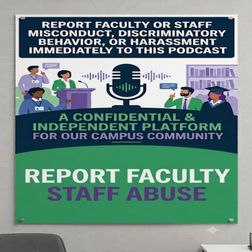
REPORT: Faculty/Staff Abuse, Harassment, and Discrimination

Share This Episode with Others. Keep It Moving Contact: radiotalklr@gmail.com Mr. Educator

WANTED: Metro Students to Make $$

Order My Book: www.weusoursluckybooks.com Metro Grads: Use Your Education to Earn More Purpose This lesson guides you step‑by‑step in using your education, skills, and life experience to create income beyond your full‑time job. Your degree is more than a credential — it is a tool for independence, creativity, and financial growth. What You Will Do 1. Identify Your Skills Start by listing the skills you already have. Think about what you learned in school, at work, and through life. Include skills people often ask you for help with. This helps you see that you already possess valuable abilities that others need. 2. Identify Who Needs Your Skills Next, look at the world around you. Ask yourself who benefits from what you know. Consider students, families, coworkers, small businesses, or community members. You will begin to see how your knowledge solves real problems. 3. Turn One Skill Into One Service Choose one skill and convert it into a simple service. Use this formula: Skill → Problem → Solution → Service → Price This shows you exactly how to turn knowledge into income. Keep it small, clear, and easy to start. 4. Build Your Service Plan Create a short plan for your new service: What you will offer Who you will help What problem you solve What you deliver The first step you will take to begin This makes your idea real and ready to launch. 5. Practice Sharing Your Service Explain your service to one person you trust. Tell them what you offer, why it matters, and how your education supports it. This builds confidence and helps you refine your idea. Objectives You will identify at least three skills that can generate income. You will design one actionable service based on your education. Outcomes You will understand how your education becomes a business asset. You will walk away with a ready‑to‑launch service plan. 5E Learning Model (Personal to You) Engage: Reflect on the idea that education creates opportunity beyond employment. Explore: List your skills and experiences. Explain: Learn how degrees and experience create credibility. Elaborate: Build your service plan using the formula. Evaluate: Share your idea with one person and refine it. Closing Write one personal commitment: “This week I will use my education to earn more by…” Contact: radiotalklr@gmail.com 0r 773-809-8594 Enough Said. Do Something
Stagione 17

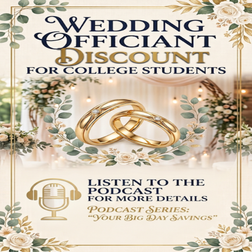
WEDDINGS=Discount for College Students

Order My Book: www.weusoursluckybooks.com Email: radiotalklr@gmail.com
1 di 12