Zion Empowered

Zion Empowered

por Avi N
Temporada 1

Vows, Zeal & Sacred Fire (Parashat - Matot מַּטּוֹת)

This week’s teaching from Zion Empowered explores the portion Matot (Tribes), beginning in Numbers 30:2, focusing on vows, purification, war, and obedience, paralleled with prophetic insights from Malachi, Revelation, 2 Kings, and Daniel. We begin by emphasizing the power and seriousness of our promises, highlighting God’s instructions on vows and the sacred trust within marriage and community. The Midianite war, its spoils, and the tribal negotiations for land reveal spiritual truths about justice, discipline, and commitment. Key Themes & Reflections: Malachi 3: God’s refining fire is not to destroy but to purify. The priesthood and our hearts are being refined for true worship. “What must be burned away for your offerings to be pure?” John 2 & Numbers 31: Jesus clearing the temple mirrors Israel’s purging of Midian—holy spaces must be protected. But true cleansing happens in the heart, not just in outer actions. Revelation 11–12: Judgment is a preparation for life, not death. As heavenly battles rage, Israel divides the plunder, giving God His portion first. Victory comes not by might, but by testimony. 2 Kings 25: The fall of Jerusalem and the temple is devastating. But even in defeat, the people bring offerings. Worship outlasts suffering. Are we willing to praise God even when everything crumbles? Daniel 11 & Numbers 32: God’s people must remain faithful even under pressure. The real victory is not land, but the vow to fight until the end. “Don’t just start strong—finish well.” Questions to Meditate On: What tables must be flipped in your heart? Are you delaying obedience for comfort? What portion of your life belongs to God? Do you finish what you start—even under pressure? Closing Words: God's calling is too great, and His covenant too holy for halfway living. Stay faithful, stay armed, and stay in the fight until the promise is fully claimed. Don’t just start strong—finish well. God’s calling is too great, and His covenant too holy for halfway living. Take the next step in your walk: Reflect. Repent. Return. Rebuild. Visit www.zionempowered.com for full podcast episodes, weekly readings, teaching blogs, and community resources to strengthen your faith journey. 🎧 Tune in, dig deep, and walk in power with Zion Empowered.

Tables and Trumpets: When Holiness Asserts Its Rights

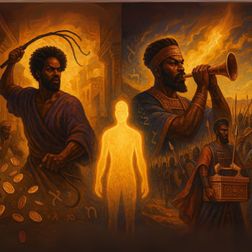
In this week's Sunday Service episode of Zion Empowered, we journey from the battlefields of Numbers 31 to the holy courts of John 2, exploring what it means to reclaim sacred space—in scripture, in community, and in ourselves. The service begins with Psalm 24, inviting listeners to "open up the ancient gates" and welcome the King of Glory. This sets the stage for a deep reflection on Numbers 31, where the Israelites engage in spiritual warfare under the leadership of Phineas, carrying sacred objects into battle. We unpack the symbolic meaning of unity, the importance of equal contribution from every tribe, and the weighty implications of zeal in confronting idolatry. The conversation then moves to the New Testament reading—Jesus cleansing the temple in John 2. The group reflects on the discomfort and disruption Jesus caused when He overturned tables and drove out merchants. What begins as a story about coins and cattle becomes a lesson in holy purpose and spiritual restoration. Jesus wasn’t just cleansing a building; He was redefining the temple as His own body—and by extension, ours. With wisdom, humor, and heartfelt personal stories, the discussion turns introspective: What tables need overturning in your own life? How can we cultivate zeal without arrogance? What does it truly mean for our bodies to be temples of God? From bake sales to spiritual discipline, from ancient Israel to modern sanctuaries, this episode calls us to pause, examine, and remember: holiness is not just a space—it’s a way of being. Key Themes: Zeal as spiritual conviction, not just passion The role of unity and equal contribution in sacred work Jesus as the living temple Personal reflection on holiness, purpose, and stewardship of the body Closing Prayer: May God overturn every counterfeit throne in your heart and make your life a sanctuary of praise, not profit. 📖 Visit www.zionempowered.com for full podcast episodes, weekly readings, teaching blogs, and community resources to strengthen your faith journey. 🎧 Tune in, dig deep, and walk in power with Zion Empowered.

Zeal, Mercy, and the Measure of Inheritance (Parashat פִּינְחָס – Pinchas)

This episode journeys through Parashat Pinchas alongside David’s sacred hunger, Jesus’ teaching on mercy, the daughters of Zelophehad, and Paul’s call to repentance in Athens. We explore what it means to live a life marked by zeal without cruelty, mercy without compromise, and an inheritance grounded in covenant, not convention. Featured Scriptures: Numbers 25–30 – Zeal, inheritance, offerings, and leadership succession 1 Samuel 21:1–6 – David receives the Bread of the Presence Matthew 12:1–8 – Mercy over sacrifice Isaiah 56 – A house of prayer for all nations 1 Timothy 2:1–8 – Prayer and peace Jeremiah 7 – The Temple must not be a den of thieves Acts 17 – Paul preaches to the seekers in Athens Ecclesiastes 5 – Enter God's house with reverence Themes Explored: קִנְאָה (Kin'ah) – Righteous zeal, as shown by Pinchas and Phinehas חֶסֶד (Chesed) – Covenant mercy that reshapes law and ritual Inheritance and Identity – Daughters of Zelophehad stand up and are counted Leadership Transfer – Moses lays hands on Joshua God’s Nearness – “He is not far from any one of us” (Acts 17:27) Questions for Reflection: What does righteous zeal look like in our communities today? When have you seen mercy override religious rule in a healing way? Are you ready to be counted among those who inherit God's promises? How do we discern true spiritual authority in times of transition? Blessing: "May zeal never harden your heart, May mercy never weaken your hands, And may you walk boldly into the inheritance God has measured out for you."
When Covenant Shapes the Camp: Zeal, Mercy, and the Sabbath

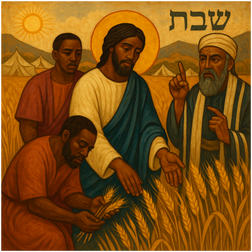
www.zionempowered.com this episode of Zion Empowered, we explore how ancient covenant promises continue to shape our faith communities today. Drawing from Numbers 26 and Matthew 12, the discussion highlights how God’s mercy preserves even flawed lineages—like the sons of Korah—and how Jesus reframes holiness around compassion rather than rigid rule-keeping. We reflect on the powerful truth that your family’s failures do not cancel God’s promises over your life, and we wrestle with balancing zeal for God’s commandments with tender mercy for others. Through lively discussion and relatable stories—from Pharisees nitpicking grain-picking on the Sabbath to modern-day applications about helping neighbors—this episode drives home that true holiness is always traced by the lines of goodness and mercy. We close by challenging ourselves to measure our spiritual lives not by appearances or rituals alone, but by the mercy that follows us into the world. Key Scriptures Numbers 26:5–11 – The clans of Reuben and the preserved sons of Korah Psalm 19:5–10 – God’s Word sweeter than honey Matthew 12:1–8 – Jesus, Lord of the Sabbath, measuring holiness by mercy

Rooted in Wonder: Finding Jesus and Ourselves

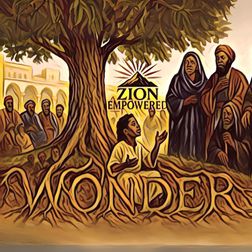
This Sunday episode invites us to linger in the temple with young Jesus—curious, present, and profoundly wise at just 12 years old. Anchored in Luke 2:41–52, Pastor David leads a rich conversation on spiritual growth, sacred questions, and the power of being “lost” in God’s presence. We explore Psalm 27’s cry for refuge and guidance, Numbers 22’s tension between calling and compromise, and Luke’s account of Jesus staying behind in Jerusalem. But it’s more than a Bible study—it’s a communal reflection on parenting, ministry, and the beauty of curiosity. 💡 Key themes include: The chiastic structure of Luke’s narrative and the theological weight of Jesus being "found" after three days. Wisdom not as knowledge, but what remains after experience and forgetting. The tension between letting go and holding close—especially for parents. The role of the church as not just a place of proclamation but dialogue and discovery. Why we must make space for youth to question, listen, and grow in spiritual identity without fear. The episode closes with a powerful benediction: a blessing over sacred curiosity and deep listening. And a reminder that sometimes wisdom begins with simply staying still long enough to ask a holy question. 🎧 Tune in, reflect, and walk with us as we find Jesus not in spectacle, but in silence, question, and connection. To support or join the journey, visit zionempowered.com Grace and peace.

The Significance of Chukot – Navigating Leadership, Faith & Transition

In this week’s episode, we journey through the Old Testament reading of Chukot, exploring the profound themes of leadership, faith, obedience, transitions, mourning, and celebration. Together, we reflect on how God’s instructions shape our spiritual life, hold leaders accountable, and guide us through seasons of change. We uncover how moments of mourning still demand faithfulness, why celebration is essential even in hard times, and how Old Testament narratives often foreshadow the truths fulfilled in Christ. As always, we emphasize the beauty of community and recognizing God's sacred presence in ordinary places. Takeaways Leadership is held to a higher standard by God. Transitions and seasons of mourning can be painful, but they cultivate growth. Faithfulness means striving to obey, even after setbacks. God’s calls to purification are ultimately about healing and restoration. Celebrating amidst trials strengthens our spiritual resilience. The Old Testament continually whispers of New Testament redemption. Community and fellowship are indispensable for spiritual health. Mourning affects us deeply, but accountability and God’s mission remain. Praise has the power to lift us above our circumstances. God transforms ordinary spaces into holy ground when we acknowledge Him. “God wants us to take time to heal.” “ Chapters 00:00 Introduction and Opening Remarks 02:31 Exploring the Old Testament Reading: Chukot 12:58 Leadership and Accountability in Scripture 24:25 The Role of Faith and Obedience 38:15 Transitions and Mourning in Leadership 44:50 Celebration Amidst Trials 48:54 Closing Thoughts and Prayer We’d love for you to join us in this sacred conversation. Share your thoughts, testimonies, or prayer needs at ZionEmpowered.com. Don’t walk this journey alone—invite a friend or loved one to listen along. Let’s grow together in faith, accountability, and joy.

“The Stone That Waited” — Jacob’s Dream at Bethel

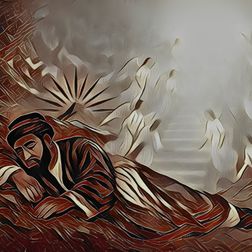
In this episode, we explore Jacob’s dream at Bethel (Genesis 28 : 10–22), a sacred moment that reminds us God often meets us in unexpected places — even when we’re on the run, laying our head on a stone in the wilderness. Through layered scripture readings, spiritual reflections, and a deep dive into the chiastic structure of the text, we unpack how Jacob’s journey parallels our own. We witness how a fugitive, not a king, encountered God—not in a sanctuary, but in open air. And how from that hard place, Jacob built an altar of hope and made a bold, prophetic vow. Key themes in this episode: The art of noticing sacred moments in ordinary spaces Jacob’s conditional covenant and how it reflects boldness, not doubt The ladder (sulam) as a symbol of divine interaction and spiritual reciprocity The power of naming and testifying to God's presence in our lives Building altars from the stones of our uncertainty We’re invited to ask ourselves: Where in our lives have we laid down on hard stones and encountered the sacred? What will we name those places? The episode closes with a prayer and benediction — that the place you lay your head becomes the place God speaks your name. Join the journey. Revisit the roots. Encounter the word. Visit www.zionempowered.com to explore more, sow a seed, or connect with our growing community. Grace and peace, from Zion.

The Soil Still Remembers: Making Peace in the Shadow of Conflict

Release Date: Sunday, June 22, 2025 Episode Summary: This episode brings us into the quiet strength of Isaac, who chose peace instead of retaliation. As we examine Genesis 26:24–33, we explore how the soil beneath our feet remembers both conflict and covenant. Isaac, rejected and displaced, continued to dig, to worship, and to prepare feasts for those who once opposed him. Through his story, we are challenged to build altars in seasons of tension, make peace without losing purpose, and recognize when God’s blessing was always there—hidden beneath the surface of strife. We also reflect on how this narrative ties into the spiritual terrain of sacred memory, perseverance, and divine favor that speaks louder than argument. Scriptures Featured: Genesis 26:24–33 – Isaac's covenant with Abimelech and the naming of Beersheba Key Themes: Making Peace Without Compromise Reconciliation with Former Enemies Worship Before Defense The Ground as a Living Witness Blessing Concealed in Conflict Reflection Questions: Why does God speak to Isaac after rejection instead of preventing it? What 'altars' have you built in seasons of conflict? Are there 'Abimelechs' in your life you need to prepare a covenant feast for? What oaths have you made—or need to make—to preserve peace in your life? Hebrew Word Highlights: Al-Tirah (אַל־תִּירָא) – Do not fear. A repeated phrase in divine encounters. Shibah (שִׁבְעָה) – Oath or Seven, tied to completeness and covenant Be’er Sheva (בְּאֵר שֶׁבַע) – Well of the Oath Insight: God’s reassurance comes after eviction, showing divine presence doesn’t avoid struggle. Isaac receives a renewal of Abraham’s covenant—faith is generational. Feasting nullifies enmity; Abraham’s hospitality echoes through Isaac. Support This Ministry: If this teaching encouraged you, support the mission at: https://www.zionempowered.com/faithful-giving Your giving helps sustain the work of Zion Empowered as we dig wells of wisdom and peace. Follow and Share: Subscribe on Apple Podcasts, Spotify, and all major platforms. Share this episode with someone wrestling with reconciliation. Follow @zionempowered for weekly teachings and visual reflections. Closing Blessing: May your hands be steady in the face of conflict, Your heart open at the table of grace, And your testimony rise from every place others tried to bury you.

Shelach Lecha (שלח לך): Faith Without a Map

In this week’s episode of Zion Enpowered, we journey through the Torah portion Shelach Lecha (שלח לך), exploring what it means to walk forward in faith without a clear map. From Abraham’s silent obedience to Isaac’s perseverance and the Israelites’ fearful hesitation, we reflect on themes of divine command, human doubt, and the tension of unresolved trust. Through chiastic structures, literary parallels, and deep Eastern spiritual rhythms, we uncover the wisdom in walking with God through uncertainty. We also examine Moses’ intercession, the importance of sacred memory, radical hospitality, and the power of collective repentance. As we dig into both ancient wells and modern spiritual questions, we’re reminded that faith often grows strongest not in certainty, but in the silence between the steps. Key Questions: What does it mean to trust God without explanation? How do we stand in tension without resolution? What sacred things have we treated casually? What tangible reminders of faith do we carry? Tune in as we reflect, repent, and reclaim spiritual legacy—one step at a time.

Hineni: The Faith of a Father

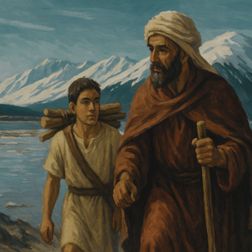
In this Father’s Day edition of our Sunday service, we explore the story of Abraham in Genesis 22 and the powerful meaning behind the word Hineni — "Here I am." Through a heartfelt prayer, scripture readings from Psalms, Genesis, and Philippians, and a thoughtful sermon, we reflect on what it means to walk faithfully with God through uncertainty. This episode connects ancient truths with modern fatherhood, labor struggles, and the call to act with justice and compassion in today’s world. A message of trust, sacrifice, and provision — in our homes, our faith, and our communities.
3 de 4