KAFOU/LEGBA PODCAST

KAFOU/LEGBA PODCAST

por AnkhAfi Silibon & Volcy Vilma
Temporada 2

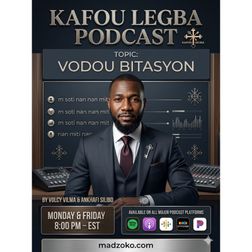
VODOU BITASYION- EXTRACT FROM MARIE ESTHER LIVE INTERVIEW WITH VOL-P3

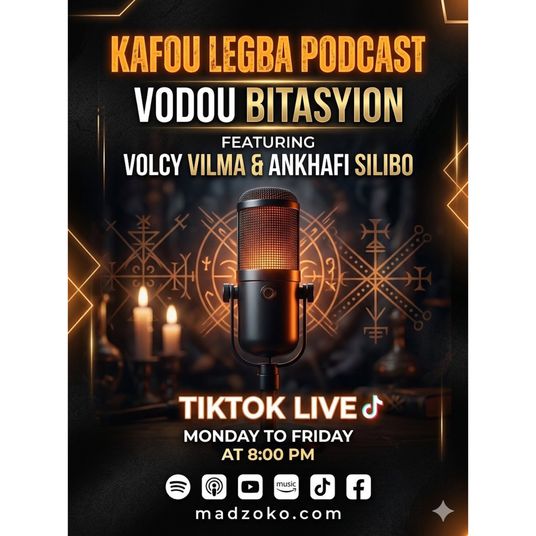
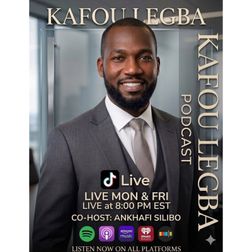
The document is a brief introductory outline for an episode titled “Vodou Bitasyon — Who Is an Ougan or Manbo: Self-Proclamation or Lwa Reclamation.” Its central focus is the legitimacy and misuse of religious or spiritual titles within Vodou, especially ougan, manbo, and emperor. The main theme is the tension between self-proclaimed authority and spiritually or socially recognized legitimacy. The episode proposes to question whether people who adopt sacred or elevated titles are doing so because they have been properly recognized through Vodou tradition, community validation, or lwa reclamation—or whether they are simply assigning these titles to themselves without the qualities, responsibilities, or spiritual authority those roles require. A second important theme is the need to define what these titles actually mean within Vodou society. Rather than treating “ougan,” “manbo,” or “emperor” as labels anyone can claim, the document suggests that the episode will explore the true characteristics, responsibilities, and standards associated with each role. This implies a concern with protecting Vodou from title inflation, false authority, and possibly commercialization or ego-driven leadership. The document also frames the discussion as both critical and educational. It does not yet make a full argument, but it clearly establishes that the episode will challenge the misuse of status titles and clarify what legitimate spiritual leadership should look like. The tone is investigative and corrective, aiming to distinguish authentic recognition from self-appointed prestige.
VODOU BITASYION - EXTRACT FROM MARIE ESTHER INTERVIEW WITH VOL-P4

The document is a brief introductory outline for an episode titled “Vodou Bitasyon — Who Is an Ougan or Manbo: Self-Proclamation or Lwa Reclamation.” Its central focus is the legitimacy and misuse of religious or spiritual titles within Vodou, especially ougan, manbo, and emperor. The main theme is the tension between self-proclaimed authority and spiritually or socially recognized legitimacy. The episode proposes to question whether people who adopt sacred or elevated titles are doing so because they have been properly recognized through Vodou tradition, community validation, or lwa reclamation—or whether they are simply assigning these titles to themselves without the qualities, responsibilities, or spiritual authority those roles require. A second important theme is the need to define what these titles actually mean within Vodou society. Rather than treating “ougan,” “manbo,” or “emperor” as labels anyone can claim, the document suggests that the episode will explore the true characteristics, responsibilities, and standards associated with each role. This implies a concern with protecting Vodou from title inflation, false authority, and possibly commercialization or ego-driven leadership. The document also frames the discussion as both critical and educational. It does not yet make a full argument, but it clearly establishes that the episode will challenge the misuse of status titles and clarify what legitimate spiritual leadership should look like. The tone is investigative and corrective, aiming to distinguish authentic recognition from self-appointed prestige.
VODOU BITASYION - EXTRACT FROM VOL INTERVIEW WITH MARIE ESTHER -P3

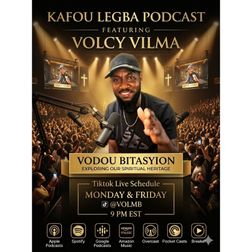
The document is a brief introductory outline for an episode titled “Vodou Bitasyon — Who Is an Ougan or Manbo: Self-Proclamation or Lwa Reclamation.” Its central focus is the legitimacy and misuse of religious or spiritual titles within Vodou, especially ougan, manbo, and emperor. The main theme is the tension between self-proclaimed authority and spiritually or socially recognized legitimacy. The episode proposes to question whether people who adopt sacred or elevated titles are doing so because they have been properly recognized through Vodou tradition, community validation, or lwa reclamation—or whether they are simply assigning these titles to themselves without the qualities, responsibilities, or spiritual authority those roles require. A second important theme is the need to define what these titles actually mean within Vodou society. Rather than treating “ougan,” “manbo,” or “emperor” as labels anyone can claim, the document suggests that the episode will explore the true characteristics, responsibilities, and standards associated with each role. This implies a concern with protecting Vodou from title inflation, false authority, and possibly commercialization or ego-driven leadership. The document also frames the discussion as both critical and educational. It does not yet make a full argument, but it clearly establishes that the episode will challenge the misuse of status titles and clarify what legitimate spiritual leadership should look like. The tone is investigative and corrective, aiming to distinguish authentic recognition from self-appointed prestige.
VODOU BITASYION - EXTRACT FROM MARIE ESTHER LIVE -P2

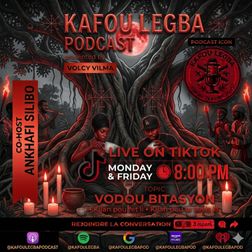
The document is a brief introductory outline for an episode titled “Vodou Bitasyon — Who Is an Ougan or Manbo: Self-Proclamation or Lwa Reclamation.” Its central focus is the legitimacy and misuse of religious or spiritual titles within Vodou, especially ougan, manbo, and emperor. The main theme is the tension between self-proclaimed authority and spiritually or socially recognized legitimacy. The episode proposes to question whether people who adopt sacred or elevated titles are doing so because they have been properly recognized through Vodou tradition, community validation, or lwa reclamation—or whether they are simply assigning these titles to themselves without the qualities, responsibilities, or spiritual authority those roles require. A second important theme is the need to define what these titles actually mean within Vodou society. Rather than treating “ougan,” “manbo,” or “emperor” as labels anyone can claim, the document suggests that the episode will explore the true characteristics, responsibilities, and standards associated with each role. This implies a concern with protecting Vodou from title inflation, false authority, and possibly commercialization or ego-driven leadership. The document also frames the discussion as both critical and educational. It does not yet make a full argument, but it clearly establishes that the episode will challenge the misuse of status titles and clarify what legitimate spiritual leadership should look like. The tone is investigative and corrective, aiming to distinguish authentic recognition from self-appointed prestige.

VODOU BITASYION- EXTRACT FROM INTERVIEW WITH MARIE ESTHER- P1

The document is a brief introductory outline for an episode titled “Vodou Bitasyon — Who Is an Ougan or Manbo: Self-Proclamation or Lwa Reclamation.” Its central focus is the legitimacy and misuse of religious or spiritual titles within Vodou, especially ougan, manbo, and emperor. The main theme is the tension between self-proclaimed authority and spiritually or socially recognized legitimacy. The episode proposes to question whether people who adopt sacred or elevated titles are doing so because they have been properly recognized through Vodou tradition, community validation, or lwa reclamation—or whether they are simply assigning these titles to themselves without the qualities, responsibilities, or spiritual authority those roles require. A second important theme is the need to define what these titles actually mean within Vodou society. Rather than treating “ougan,” “manbo,” or “emperor” as labels anyone can claim, the document suggests that the episode will explore the true characteristics, responsibilities, and standards associated with each role. This implies a concern with protecting Vodou from title inflation, false authority, and possibly commercialization or ego-driven leadership. The document also frames the discussion as both critical and educational. It does not yet make a full argument, but it clearly establishes that the episode will challenge the misuse of status titles and clarify what legitimate spiritual leadership should look like. The tone is investigative and corrective, aiming to distinguish authentic recognition from self-appointed prestige.
Vodou Bitasyion - THE DANGER IN VODOU SPELLS p2

In this episode, Volcy will take a critical look at the growing dangers that TikTok and other social media platforms pose within the world of Vodou. The episode will examine how certain TikTok personalities exploit the visibility and reach of the platform to prey on vulnerable members of Haitian society, presenting themselves as spiritual authorities while promising quick solutions to personal, emotional, financial, or spiritual problems. Rather than offering genuine help, these individuals may use manipulation, fear, and false promises to draw victims into questionable spiritual groups. When the promised results fail to appear, victims may then face threats, intimidation, and pressure to remain silent, exposing a troubling pattern of exploitation, coercion, and abuse disguised as spiritual guidance.

VODOU BITASYION - THE DANGER IN VODOU SPELLS- p1

In this episode, Volcy will take a critical look at the growing dangers that TikTok and other social media platforms pose within the world of Vodou. The episode will examine how certain TikTok personalities exploit the visibility and reach of the platform to prey on vulnerable members of Haitian society, presenting themselves as spiritual authorities while promising quick solutions to personal, emotional, financial, or spiritual problems. Rather than offering genuine help, these individuals may use manipulation, fear, and false promises to draw victims into questionable spiritual groups. When the promised results fail to appear, victims may then face threats, intimidation, and pressure to remain silent, exposing a troubling pattern of exploitation, coercion, and abuse disguised as spiritual guidance.

VODOU BITASYION - MYTH OR MISTIQUES GIFTED OR LEARNED EXPEREINCE -P2

Haitian Vodou is not merely a collection of ceremonies, invocations, or ritual objects; it is an ancestral spiritual system rooted in memory, family, land, obligation, and transmission. Its authority has historically emerged through lineage, apprenticeship, embodied knowledge, and reciprocal relationships among the living, the ancestors, and the lwa. In this episode we are going to examine the discordance that exist in today society in perspective to the original objective of the spirituality

VODOU BITASYION- MYTH OR MISTIQUE GIFT OR LEARNED SKILLED-P1

In this Episode both Volcy and Ankhafi are going to discuss the paradox of initiation outside lineage therefore questioning whether it is a minor procedural issue; or a theological contradiction. According to tradition a person may receive the signs of priestly office from a house unrelated to their family spirits, yet remain spiritually disconnected from the ancestral sources that shape their destiny. This creates a conflict between institutional recognition and ancestral accountability. If Vodou is rooted in lineage, then initiation outside lineage must be approached with caution, humility, and proper discernment. Otherwise, the initiate may carry a title without being properly situated within the spiritual relationships that give the title meaning.

VODOU BITASYIONCommercialization and the Risk of Purchased Status p2

In this episode Volcy and Ankhafi will embark in a discussion on The newer idea of buying the ason creates a sharp contradiction with this traditional understanding. If the ason can be purchased through initiation fees, religious networking, or access to an initiating house, then what should be transmitted through spiritual inheritance risks becoming a ritual commodity. The problem is not only financial; it is theological. A purchased ason can make authority appear external, transferable, and available to anyone with money rather than rooted in calling, apprenticeship, family obligation, ancestral acceptance, and spiritual preparation. Traditionally, the ason is transmitted as responsibility through lineage, elder recognition, consecration, and accountability to the lwa, ancestors, and community. Commercially, however, the ason risks being treated as acquired status through payment, initiation fees, or access to an initiatory house. This shift separates visible ritual authority from the ancestral grounding and spiritual accountability that traditionally give the ason its meaning.
2 de 5