The Entrepreneur’s Bookshelf

The Entrepreneur’s Bookshelf

por The Entrepreneurs bookshelf

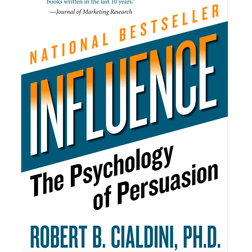
The Psychology of Persuasion: Influence and Compliance

"The Psychology of Persuasion" explores the science behind why people comply with requests, examining automatic responses and triggers. The book investigates various influence techniques, such as reciprocity, commitment, social proof, liking, authority, and scarcity, providing real-world examples and research findings. It details how these principles can be exploited and offers strategies for recognizing and resisting manipulative tactics. The text further examines how psychological reactance and the desire for consistency impact decision-making. Ultimately, it emphasises the importance of mindful decision-making in an information-saturated world, advocating for recognising manipulative practices and protecting against exploitation.

Shoe Dog

Phil Knight's memoir, Shoe Dog, recounts his journey from a young athlete with a "Crazy Idea" to the founder of Nike. The text offers snippets showcasing key moments, including his travels in Asia securing the Tiger shoe deal, early struggles building the company, navigating business challenges, and ultimately taking Nike public. Personal reflections on his relationships with key figures like Bill Bowerman and Jeff Johnson are interwoven with the business narrative. The excerpts reveal Knight's entrepreneurial spirit, his persistent drive, and the evolution of Nike from a small mail-order operation to a global brand. The overall tone reflects Knight's determination and unwavering belief in his vision, despite numerous obstacles.

Measure What Matters: How Google, Bono, and the Gates Foundation Rock OKRs

John Doerr's Measure What Matters advocates for Objectives and Key Results (OKRs) as a goal-setting system, highlighting its successful implementation across various companies like Google and Intel. The book uses case studies to illustrate how OKRs drive focus, alignment, and commitment, improving performance and fostering a culture of continuous improvement. It contrasts OKRs with traditional annual performance reviews, promoting continuous feedback and conversations instead. Furthermore, it emphasises the importance of a strong company culture supporting OKRs for long-term success. The book ultimately argues that OKRs are a powerful tool for achieving ambitious goals and transforming organisations.
Zero to One: Notes on Startups, or How to Build the Future

Peter Thiel's Zero to One examines how to build innovative companies, drawing on his experiences at PayPal, Palantir, and as an investor. The book argues that true progress comes from creating new things (0 to 1) rather than merely copying existing models (1 to n), emphasising technology, monopoly as a positive force for innovation, and the importance of strong planning over reliance on chance or competition. Thiel contrasts indefinite, process-oriented approaches with definite, future-focused strategies, highlighting the crucial roles of strong founding teams, proprietary technology, and effective distribution. Ultimately, the book advocates for a contrarian, long-term vision focused on building sustainable monopolies. Want to still read the book? Get it here! Grab our book brief here—it’s your quick, no-fluff guide to the book’s main ideas, broken down into simple, actionable insights you can start using in your business today!

The Innovator's Dilemma

This excerpt from Clayton Christensen's The Innovator's Dilemma examines why well-managed companies fail when confronted by disruptive technological change. Christensen argues that successful companies, focused on satisfying their most profitable customers, often miss opportunities in emerging markets. He introduces the concepts of sustaining and disruptive technologies, showing how established firms excel at sustaining innovations but struggle with disruptive ones due to resource allocation processes and value network constraints. The book uses case studies from various industries, including disk drives, excavators, and steel, to illustrate how good management practices can paradoxically lead to failure. Finally, Christensen offers a framework for managing disruptive innovation, emphasising the importance of creating independent organisations to pursue new market opportunities. Get the Book HERE Grab our book brief here—it’s your quick, no-fluff guide to the book’s main ideas, broken down into simple, actionable insights you can start using in your business today!

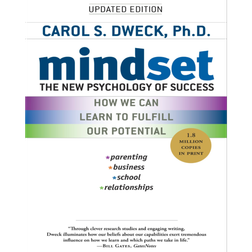
Mindset: The New Psychology of Success

This excerpt from Carol S. Dweck's Mindset: The New Psychology of Success explores the impact of fixed vs. growth mindsets on achievement and well-being. A fixed mindset, believing abilities are innate and unchangeable, leads to a fear of failure and hinders growth, while a growth mindset, emphasising the development of abilities through effort, fosters resilience and success. The text uses numerous examples from various fields—sports, business, relationships—to illustrate how these mindsets shape individuals' thoughts, actions, and outcomes. Dweck examines the effects of praise on mindset, highlighting the importance of praising effort over innate talent. Finally, the excerpt offers strategies for cultivating a growth mindset in oneself and others. Want to still read the book? Get it here! Grab our book brief here—it’s your quick, no-fluff guide to the book’s main ideas, broken down into simple, actionable insights you can start using in your business today!

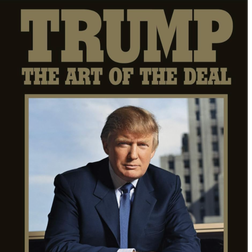
Trump: The Art of the Deal

Summary The provided text is an excerpt from Donald Trump's autobiography, The Art of the Deal. It showcases excerpts from various reviews praising the book's engaging style and insightful account of Trump's business philosophy. A significant portion details a day in Trump's life, highlighting his fast-paced, deal-making activities and interactions with various business associates and media personalities. The excerpt also explores Trump's business strategies, emphasizing "thinking big," risk management, leveraging opportunities, and the importance of delivering results. Finally, it examines Trump's upbringing and the influence of his father on his business acumen. Feel like you might read this one? Get the book here!

Think Like a Billionaire: Trump's Guide to Success

Summary Donald Trump's Think Like a Billionaire offers advice on success, real estate, and life. The book shares anecdotes from Trump's life and career, emphasising his business philosophy. Key themes include strategic decision-making, location selection, and effective negotiation. Trump also discusses personal aspects like choosing a good broker, finding loyal friends, and maintaining work-life balance. Ultimately, the book aims to impart Trump's mindset and strategies for achieving financial success. Get the book here!

Think Big and Kick Ass

Summary This text excerpt is from Donald Trump's book, Think BIG and Kick Ass in Business and Life, co-authored with Bill Zanker, founder of The Learning Annex. The book promotes a "Think BIG" philosophy, advocating for ambitious goal-setting, unwavering persistence, and a willingness to take risks. It features anecdotes from Trump and Zanker's business careers, emphasizing the importance of positive thinking, handling pressure, and learning from mistakes. The book also includes advice on various aspects of life, such as relationships and hiring practices, all framed within the context of achieving significant success. Finally, it offers a self-assessment quiz to gauge readers' "big thinking" aptitude.

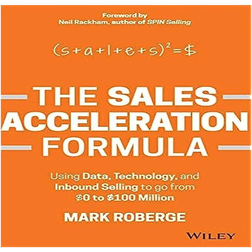
The Sales Acceleration Formula

Summary This book, "The Sales Acceleration Formula," details a data-driven approach to building and managing a high-performing sales organization. The author outlines four key formulae: sales hiring, training, management, and demand generation, emphasizing predictable processes and metrics. The book also covers sales coaching techniques, focusing on individualized skill development, and strategies for motivating teams through compensation and contests. Furthermore, it explores the importance of modernizing sales strategies, incorporating inbound marketing and leveraging technology to improve efficiency and customer engagement. Finally, it advocates for a culture of experimentation and continual improvement. Get the book here!
3 de 5