
Red White Blue and Black
por O.G. VeteranTemporada 1
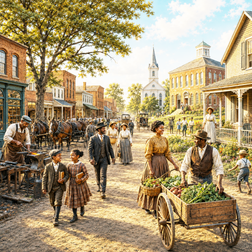
Understanding the Impact of White Supremacy on America

summary # Embracing Unity: A Call for American Pride Beyond Division In today's world, divisions seem to define us more than our shared values. How often do we hear stereotypes that paint entire communities with a broad brush? In this post, we will explore a powerful perspective on unity, as expressed by OG Veteran. He articulates the need for Americans to rise above the hate and recognize the common good that binds us all. ## Understanding the Roots of Division One of the most pressing issues in American society is the way individuals are categorized by race and culture. O.O emphasizes that many good people, regardless of their backgrounds, are unfairly judged by the actions of a few. "I am tired of good white people being defined by races," he states, calling out the harmful narratives that have taken hold in our discourse. ### The Danger of Cultural Stereotypes Cultural stereotypes, according to O.O, perpetuate division and conflict. He argues that it is crucial to reject the labels that society imposes on us. The idea that all individuals from a particular race or culture are the same is not only inaccurate but also dangerous. By holding onto these stereotypes, we allow ignorance and hatred to thrive. ### A Historical Perspective on Unity Conner reminds us that throughout American history, there have always been people of all races fighting for equality and justice. He references the Declaration of Independence and the Constitution, highlighting that the foundational ideals of America are rooted in freedom and equality. It was the collective effort of various groups that led to progress, not the actions of one race alone. ## The Role of Media in Shaping Perceptions The media often amplifies the voices of the few who promote division, leading to a distorted view of society. "If you listen to the media, you would think that we're the minority," O.O argues. In reality, the majority of Americans are good people who wish to see unity and progress. The challenge lies in overcoming the narratives that suggest otherwise. ### Reclaiming Our Narrative To counteract the divisive rhetoric, O.G calls for individuals to take a stand against stereotypes and to support one another. "If you're a good white person, stand up and say, 'I'm not falling into that,'" he urges. This call to action is not just for one group but for everyone to reject the negative aspects of their cultures and to embrace the shared values that make America strong. ## Moving Forward Together Achieving unity requires a conscious effort to focus on what we have in common rather than our differences. O.G envisions a future where all Americans, regardless of color or background, come together for a common purpose. He challenges us to turn our backs on the negativity that divides us and to embrace the diversity that enriches our nation. ### Building a Better America The path to a better America lies in recognizing our shared humanity. O.G.'s message is clear: we must acknowledge the contributions of every individual in building this nation. "We are America, we are the best," he proclaims, emphasizing that greatness comes from unity, not division. ## Key Takeaways - Reject cultural stereotypes and embrace the shared humanity of all people. - Recognize the historical contributions of diverse groups in the fight for equality. - Stand against divisive narratives perpetuated by the media. - Focus on unity and shared values to build a better future for all. 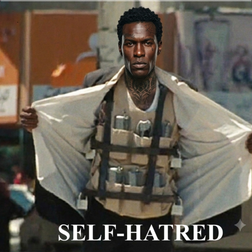
The Impact of Racism on American Society: Understanding Self-Hatred and Cultural Dynamics In today's society, discussions around racism often spark intense feelings and debates. Many people choose to avoid the topic, but as O.G Veteran points out, ignoring racism does not make it disappear. In his podcast, he dives deep into the roots of racism in America, exploring its effects on individuals and communities, particularly focusing on self-hatred that stems from racial discrimination. Whether you're looking to understand racism better or seeking solutions to combat it, this blog post will break down key insights shared by O.G. and provide you with a clearer perspective on this pressing issue. Understanding the Reality of Racism in America Racism is not just a personal prejudice; it's a systemic issue that affects millions. O.G. highlights alarming statistics: Black Americans represent less than 15% of the U.S. population but account for about 80% of those incarcerated. This discrepancy raises significant questions about the judicial system and societal perceptions of race. - Cultural Influence: O.G. discusses the influence of the ‘nigga culture’—a term he uses to describe a cultural identity that has developed over time in response to systemic oppression. He emphasizes that this culture has permeated mainstream society, affecting perceptions and behaviors. - Self-Hatred: One of the most detrimental effects of racism is the internalized self-hatred that individuals can develop. O.G. states that the worst aspect of racism is not merely external hatred but the way it can lead individuals to hate themselves for their identity. This self-hatred perpetuates a cycle of negativity within communities. Historical Context and Its Modern Implications To understand the current state of racism, we must look at its historical roots. O.G. explains that after the Civil War and during Reconstruction, there was a concerted effort to uplift Black Americans through education and community building. However, as progress was made, backlash from white supremacist groups like the Ku Klux Klan emerged, aiming to dismantle these advancements. - Political Dynamics: O.G. points out that the political landscape has changed significantly over the years. The Republican Party initially played a crucial role in supporting Black rights, whereas the Democratic Party's approach has evolved. Understanding these shifts is essential for grasping how systemic racism has been maintained throughout American history. The Role of Education and Access to Resources O.G. emphasizes the importance of education as a tool for empowerment. Despite systemic barriers, he believes that knowledge is accessible, especially in the age of the internet. He encourages individuals to seek information actively and challenge the narratives that promote ignorance. - Breaking the Cycle: Education is not just about formal schooling; it's about self-education and critical thinking. O.G. advocates for personal responsibility in seeking knowledge, highlighting that change begins within the individual. - Community Support: He stresses the need for communities to uplift each other, promoting a culture of learning and growth rather than one that endorses ignorance and self-hatred. Moving Towards a Solution The path to overcoming racism and its effects requires a collective effort. O.G. believes that addressing self-hatred is key to breaking the cycle of racism in America. This involves fostering self-love and understanding one's worth beyond societal labels. 
The Narcissist Hyper-Empath Divide

Orange Nigga in a White House