
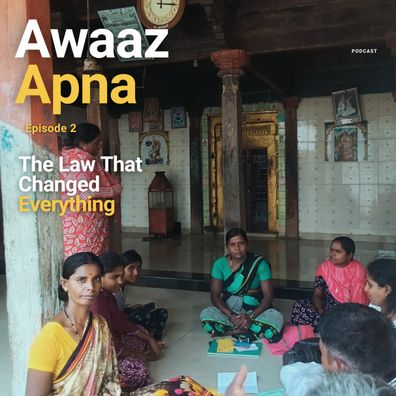
Notas del episodio
A law on paper can only transform lives if the people it protects know it exists. In this episode, we dive into the landmark Rights of Persons with Disabilities (RPwD) Act 2016—a legal milestone that expanded recognized disability categories from 7 to 21 distinct conditions and established the status of "benchmark disability" (40% or more disability) to unlock affirmative action and statutory entitlements.
Grounded in qualitative research across rural Karnataka, this episode moves past rhetoric to examine the empirical impact of Self-Help Groups (SHGs) as vehicles for legal literacy and social mobility:
- Pension Awareness: SHG enrolment raises awareness of government disability pensions from 30% to 96%.
- Transport Concessions: Understanding of bus and rail concessions jumps from 30% to 88–92%.
- Job Reservation Rights: Awareness of employment quotas rises from 8% to 90%.
- Legal Rights Awareness: Knowledge of the RPwD Act itself surges from a baseline of 4–6% to over 54%.
Aligned with the UN Convention on the Rights of Persons with Disabilities (UNCRPD) and the UN Sustainable Development Goals 2030 framework ("Leave No One Behind"), this episode demonstrates how collective action moves individuals from homebound isolation into active community leadership and self-advocacy.
Key Takeaways
- Legal Expansion: The shift from 7 to 21 recognized disabilities ensures fairer coverage for neurological, blood, and chronic conditions.
- The SHG Catalyst: Self-Help Groups act as localized information networks, converting complex legal rights into accessible, actionable knowledge.
- From Pity to Power: Rights awareness enables persons with disabilities to demand institutional access and entitlements as equal citizens rather than beneficiaries of charity.