
Notas del episodio
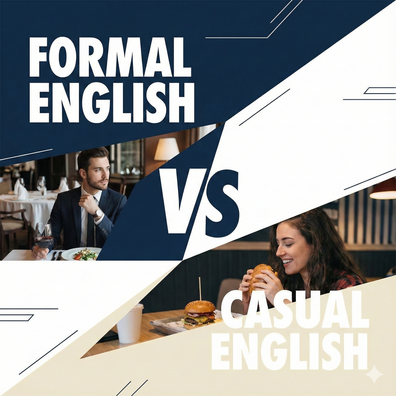
Same job. Same language. Completely different restaurants.
Using casual language in a fine dining restaurant makes you sound unprofessional. Using formal language in a casual diner makes customers uncomfortable. The difference between these communication styles can be the difference between fitting in or standing out—for the wrong reasons.
In this episode, we break down exactly when to use formal versus casual English in restaurants, and give you the complete phrase bank for both styles. You'll learn why "What can I get you?" works perfectly in a sports bar but fails in an upscale steakhouse, and discover how to read restaurant cues so you always match the expected communication level.
You'll Learn:
- The three restaurant types and their expected communication styles (casual, mid-range, fine dining)
- Side-by-side phrase comparisons: "Hey guys!" vs "Good evening, welcome"
- How to read restaurant cues (menu prices, dress code, atmosphere) to determine the right style
- Why using the wrong style damages tips even when your service is perfect
- The specific words that signal "formal" vs "casual" to English speakers
- How to switch between styles when you work multiple restaurant types
- Regional differences: American casual vs British formal
Common Mistakes Covered:
- Why "No problem!" sounds unprofessional in fine dining (say this instead)
- Using "you guys" in upscale restaurants (this kills your tip)
- The danger of being too formal in casual settings (customers feel uncomfortable)
- Why first-person language ("I'll get that for you") works everywhere
- How mixing formal and casual in the same sentence confuses customers
Follow side-by-side scenarios as we compare how the same situation (taking a drink order, presenting the check, handling a complaint) sounds in casual versus fine dining restaurants. You'll hear exactly which words change and why.
Perfect for: Servers who work in different restaurant types, ESL workers learning natural English registers, and anyone who wants to sound appropriately professional for their restaurant level.
Here's the key insight: Native English speakers don't think about formal vs casual—they feel it. This episode makes the invisible rules visible so you can match customer expectations naturally.
Resources: 📖 Read the full blog post with 50+ formal and casual phrase comparisons: https://theeslroom.com/formal-vs-casual-restaurant-english/
🎓 Master both communication styles and all restaurant English situations: Get the complete English for Waiters course at https://learn.theeslroom.com/english-for-waiters
Episode from: Confidence Workshop Series Duration: ~12 minutes