The Scuba Gear Lab

The Scuba Gear Lab

por The Scuba Gear Lab
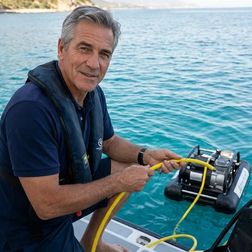
What Is the Right Order to Buy Scuba Gear
IA
What Is the Right Order to Buy Scuba Gear I've watched hundreds of new divers walk into shops with certification cards still warm from the laminator, ready to drop thousands on gear they don't need yet. The order to buy scuba gear matters more than most people realize—not because there's some sacred rule carved into coral, but because buying the wrong things first burns money and can actually slow down your development as a diver. After four decades of selling, servicing, and using just about every piece of equipment that's come through Florida waters, I can tell you that the sequence matters as much as the gear itself. What Is the Right Order to Buy Scuba Gear? The right order to buy scuba gear follows a simple principle: personal comfort and safety items first, life-support equipment second, and everything else when you know what you actually need. This isn't arbitrary. The gear that touches your body—mask, fins, boots, exposure suit—affects your comfort and performance on every single dive. Get those dialed in early and you'll dive better, learn faster, and enjoy the whole experience more. Here's the thing most shops won't tell you: you don't need to own everything right awa…
How to Avoid Overspending on Your First Scuba Equipment
IA
How to Avoid Overspending on Your First Scuba Equipment I've watched new divers walk out of shops with $5,000 worth of gear they didn't need more times than I can count. Usually happens right after certification, when the excitement's running high and the sales pitch is running smooth. Here's the thing: you can assemble a solid first equipment kit for less than half that and still have everything you actually need to dive safely and comfortably. Over four decades in this business, I've learned that avoiding overspending on your first scuba equipment comes down to understanding what's essential versus what's optional, buying the right gear for your actual diving plans, and recognizing when you're being upsold. This guide will walk you through a systematic approach to building your first equipment set without the buyer's remorse. Skill level: Certified diver or currently in certification Time to complete: 2-3 weeks of research and shopping Expected outcome: A complete equipment package matched to your diving needs, typically saving $1,500-$2,500 compared to buying everything the shop suggests What You'll Need Before you start shopping, gather these resources: - Your dive cer…
First Scuba Gear Purchase Checklist: What to Buy and When
IA
First Scuba Gear Purchase Checklist: What to Buy and When When I bought my first piece of dive gear three years ago, I had no idea what I was doing. I bought everything at once, spent way too much money, and ended up with stuff I barely used. This first scuba gear purchase checklist is here to help you avoid those mistakes. I'm sharing the order I wish I'd followed, broken down by priority and timing, so you can build a gear collection that actually makes sense for how you dive. Whether you're still using rental gear or ready to invest in your first reg, this guide walks you through what to buy, when to buy it, and why the sequence matters more than you'd think. Personal Gear You Should Buy Immediately (Before Dive 10) These are the items I tell every new diver to get right away. They're inexpensive, make every dive more comfortable, and honestly, using rental versions of these feels gross once you've had your own. Mask that actually fits your face. A leaking mask ruins dives faster than anything else, and rental masks never quite seal right. I wasted my first 15 dives constantly clearing water because I thought mask leaking was just normal. Get one that fits—(/article/how-to-c…
Understanding Scuba Gear Sizing and Fit for Beginners
IA
Understanding Scuba Gear Sizing and Fit for Beginners When I first started diving, I spent way too many dives fighting with gear that didn't fit right. My mask leaked constantly, my fins gave me blisters, and my BCD felt like it was trying to escape my body on every descent. Getting scuba gear sizing and fit right isn't just about comfort—it's about safety, air consumption, and actually enjoying your time underwater instead of constantly adjusting straps. I've learned the hard way that proper fit transforms the entire diving experience, and I want to save you from making the same uncomfortable mistakes I made. What Is Scuba Gear Sizing and Fit? Scuba gear sizing and fit refers to how well each piece of diving equipment matches your body measurements, shape, and diving needs. Unlike regular clothing where you might be okay with something a bit loose or tight, scuba gear needs to fit precisely because you're relying on it in an environment where you can't just take it off and adjust easily. When we talk about fit, we're looking at several things at once. Your mask needs to seal against your face without creating pressure points. Your wetsuit should fit snugly enough to minimize w…
How to Choose Your First BCD as a New Diver
IA
How to Choose Your First BCD as a New Diver I still remember standing in the dive shop three years ago, staring at a wall of BCDs and feeling completely overwhelmed. The instructor kept throwing around terms like "integrated weights" and "lift capacity," and I just nodded along pretending I understood. Honestly, I didn't buy my BCD that day—I went home, did way too much research, and still second-guessed my choice for weeks. If you're trying to figure out how to choose first BCD and feeling lost, I totally get it. Quick verdict: Focus on fit and comfort first, then consider whether you need travel-friendly features or just something reliable for local diving—the rest of the specs matter way less than the dive shops make you think. What to Look For When Choosing Your First BCD Fit and Adjustability: This Matters More Than Anything I cannot stress this enough: the best BCD is the one that actually fits your body. I made the mistake of buying a BCD online without trying it on first, and it sat too high on my torso and dug into my armpits every single dive for six months before I finally sold it. A proper fit means the bladder sits comfortably on your back, the shoulder straps don'…
Best Budget Scuba Gear Packages for Beginner Divers
IA
Best Budget Scuba Gear Packages for Beginner Divers When I was piecing together my first setup three years ago, I spent weeks agonizing over whether to buy everything separately or go with a package. Looking back, I wish I'd known then what I know now about budget scuba gear packages beginners can actually trust. The right package saves you money, ensures everything works together, and gets you diving faster—no compatibility headaches, no second-guessing every single purchase. I've since helped a bunch of friends through this same decision, and I'm sharing the packages that actually deliver quality without the sticker shock. Cressi Palau Travel Package The includes a frameless mask, dry snorkel, adjustable open-heel fins, and a mesh bag. This is the perfect starter kit if you're figuring out whether scuba will become your obsession (spoiler: it will). I recommend this package because it's legitimately compact and travels well, which matters more than you'd think when you're paying for checked bags. The mask uses tempered glass and a soft silicone skirt that fits most face shapes—I've seen it work on my dive buddies with totally different facial structures. The fins weigh pract…
Buying New vs Used Scuba Gear: Which Is Better for Beginners
IA
Buying New vs Used Scuba Gear: Which Is Better for Beginners If you're a beginner on a tight budget and willing to do your homework, quality used gear can save you 40–60% without compromising safety—but only if you know what to inspect and where the hidden costs are. This guide breaks down the real financial, safety, and performance differences between buying new vs used scuba gear, with specific criteria you need to evaluate before handing over cash for either option. I've been diving since the late '70s and running dive ops in Florida for over four decades. I've watched hundreds of new divers make both smart and catastrophically stupid gear purchases. Here's what actually matters when you're deciding between new and used equipment. Quick Comparison: New vs Used Scuba Gear | Criterion | New Gear | Used Gear | |-----------|----------|-----------| | Upfront Cost | Full retail ($1,800–$3,500 complete setup) | 40–60% savings if purchased smart ($800–$1,500 typical) | | Service History | Zero hours, full warranty (typically 2 years regulators, 1 year BCDs/computers) | Unknown or incomplete; requires immediate professional inspection ($80–$150) | | Compatibility & Standards | Curren…
Best First Regulator Sets for New Divers
IA
Best First Regulator Sets for New Divers I've watched hundreds of new divers walk out of dive shops with their first regulator, and I can usually tell within five minutes whether someone helped them make a smart choice or just moved inventory. The best first regulator for new divers isn't the cheapest model that'll work, and it's not the high-end setup a tech diver would buy—it's something balanced, serviceable, and appropriate for how you'll actually dive for the next five years. Here's the thing: your regulator is the piece of gear between you and breathing underwater, so this decision matters more than your mask color or fin style. After four decades of watching gear perform (and fail) in real conditions, I've narrowed down exactly what new divers should look for and which models actually deliver. What to Look For in Your First Regulator Balanced vs Unbalanced First Stage Design Balanced first stages maintain consistent breathing performance regardless of tank pressure or depth—as your tank drains from 3000 PSI down to 500, a balanced reg feels the same. Unbalanced designs get progressively harder to breathe as tank pressure drops, which isn't dangerous but gets annoying and…
The Big Mistakes New Divers Make When Buying First Gear
IA
The Big Mistakes New Divers Make When Buying First Gear I still remember the overwhelming feeling of walking into a dive shop after getting certified, staring at racks of equipment, and having absolutely no idea where to start. I ended up making almost every mistake possible—buying the wrong gear in the wrong order, overspending on things I didn't need yet, and missing critical details that would've saved me so much frustration. The mistakes new divers make when buying first gear are incredibly common, and honestly, most of us stumble through the same pitfalls. I'm writing this because I wish someone had pulled me aside three years ago and explained what actually matters when you're building your first gear setup. What Are the Most Common First Gear Mistakes? When I say mistakes new divers make buying first gear, I'm talking about the specific purchasing decisions that lead to wasted money, compatibility issues, or gear that doesn't match how you actually dive. These aren't just minor inconveniences—they're the kinds of errors that can leave you with equipment you never use, force you to re-buy expensive items within months, or even affect your safety and comfort underwater. Th…
How to Break In New Scuba Fins and Prevent Blisters
IA
How to Break In New Scuba Fins and Prevent Blisters I still remember the excitement of buying my first pair of real scuba fins—and the absolute agony of getting out of the water after my first dive with raw, bleeding blisters on both heels. Nobody warned me that you need to break in scuba fins properly, just like you would new hiking boots. That painful lesson taught me something important: even perfectly sized fins need some adjustment time before they're truly dive-ready. In this guide, I'll walk you through everything I've learned about breaking in new fins the smart way, so you can skip the bandages and actually enjoy your dives. Whether you picked up (/article/split-fins-vs-paddle-fins), these techniques will help you avoid the mistakes I made. You'll learn practical strategies to soften stiff foot pockets, prevent hot spots, and gradually condition your feet—all before you hit the water for real. Skill level: Beginner-friendly Time needed: 1-2 weeks of gradual conditioning What You'll Need Before you start the break-in process, gather these items: - Your new fins (obviously!) - Neoprene dive socks or booties (3mm thickness works great for most conditions) - Skin lubri…
1 de 11