Science4Fun Academy - Deep dive podcast

Science4Fun Academy - Deep dive podcast

por Science4Fun Academy
Temporada 2
Part 3 - Repurposed Antiparasitics in Oncology
In this 3rd and final episode we conclude the series and leave it with an open mind for scientists and public alike to insist on further unbiased research and to keep being involved.
Repurposed Antiparasitics in Oncology: Promise, Evidence & Caution - Part 1
Two antiparasitic drugs—ivermectin and fenbendazole—have drawn attention in both academic literature and popular media. In some online communities, they are passionately promoted as miracle cures for even late-stage cancers. But what does rigorous science actually show? Welcome to part 1.
Quantum Biology - It is real and fascinating!
An overview of quantum biology, an interdisciplinary field exploring how quantum mechanics influences biological processes. We discuss fundamental quantum phenomena such as superposition, entanglement, and tunnelling, and discuss their potential roles in various biological systems.
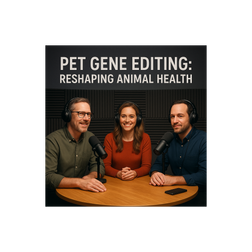
Pet Gene Editing: Reshaping Animal Health
we explore the burgeoning field of gene editing in companion animals, primarily focusing on technologies like CRISPR, base editing, and prime editing. They outline the scientific mechanisms behind these techniques and discuss their potential to cure genetic diseases in pets, such as progressive retinal atrophy in dogs or hypertrophic cardiomyopathy in cats, by directly altering their DNA.
Nanotechnology in everyday consumer products.
We discuss the widespread presence of engineered nanoparticles in everyday consumer products, highlighting their minuscule size and profound chemical and biological activity. While acknowledging their substantial potential in various industries, the sources raise significant concerns about the unknown long-term health implications of continuous exposure, detailing potential exposure pathways and their biological interactions within the body, including accumulation in organs and impact on cellular functions.
The Truth About mRNA in our Food
We explore the emerging application of mRNA technology beyond human vaccines, specifically its potential use in livestock and agricultural crops. We highlight concerns regarding the novelty and incomplete understanding of mRNA technology, citing documented adverse events from its use in humans while we argue that widespread application in the food chain represents a significant, untested public health gamble.
The Circadian Code - How Your Sleep Schedule Affects Longevity.
The Power of Night Biology" delves into the profound impact of sleep, particularly its timing and quality, on overall longevity. It emphasizes that sleep is not merely rest but a crucial "survival protocol" deeply embedded in our DNA, influencing everything from brain detoxification to genetic expression and immune function.
Transplanted Identity: Exploring the Science of Cellular Memory in Organ Recipients
When organ recipients begin craving unfamiliar foods, adopt new hobbies, or even recall strange memories—what’s going on? In this mind-bending episode of Science4Fun Academy, Alex and Sam dive into the controversial yet compelling world of cellular memory. Backed by real stories, cutting-edge epigenetic and RNA research, and ethical analysis, this conversation explores whether organs can carry more than just biological function—perhaps even pieces of a person’s identity.
Part 2 - Repurposed Antiparasitics in Oncology: Promise, Evidence & Caution
Two antiparasitic drugs—ivermectin and fenbendazole—have drawn attention in both academic literature and popular media. In some online communities, they are passionately promoted as miracle cures for even late-stage cancers. But what does rigorous science actually show? Part 2
Temporada 1
Brain Death vs True Death: Are We Harvesting Organs from the Living?
Is brain death real death—or a convenient medical construct? In this powerful episode, we confront the growing controversy over organ harvesting: Are patients truly dead when their organs are removed, or does the act itself complete the dying process? We explore the science behind brain death criteria, the ethical dilemmas facing clinicians, and the voices of those who question whether consent and certainty are truly possible. This is a conversation that challenges what we think we know about life, death, and the cost of saving lives.
1 de 3