The Fivefold Definition of Grace
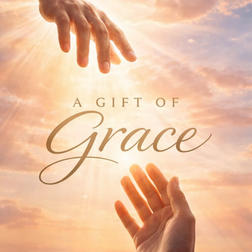
The Fivefold Definition of Grace Grace is Love's free gift. John 3:16 tells us that God loved mankind so much that He gave His only Son for us. We didn’t do anything to earn this great gift. It was an expression of God’s grace. When someone loves you so much that they freely give you something of value, that gift is called grace. God is Love (1 John 4:8, 16), and Love gives freely. Nobody earns grace. Grace is free. Therefore, you cannot brag and pride yourself in the grace of God. Grace is getting what you don't deserve or merit. What God did for Adam in the beginning, giving Him dominion over the earth was unmerited. Adam didn't work for the Garden of Eden, or the trees which God planted and from which Adam could freely eat. The only work he had to do was to keep and tend the garden that God had blessed him with. When you are brought into a provision which you did not labour for, that is grace. Grace is the vast limitless and endless provisions of God reserved for you long before you were created. Many parents prepare ahead before having their babies. Some even go as far as opening a savings account for their child, just to ensure they have provisions as they grow up. 1Timothy 6:17 tells us that God gives us freely all things to enjoy. Grace is divine substitution for human gratification. Jesus became poor so we can be rich (2 Corinthians 8:9). He bore stripes so we can be healed (1Peter 2:24). He became sin so that we might become God’s righteousness (2 Corinthians 5:21). This is grace at work. Grace is the beautiful impact of God’s Spirit on your heart, producing attractive visible results. Grace is the outward reflection of what God is doing in you through His Word and His Spirit. As a believer, you show forth the beauty of God’s grace with the results you produce with your life, and this causes people to be naturally attracted to you. Luke 4:16-22 Now that you understand what Grace is, tomorrow, we will look at how to gain access into the manifold grace of God.