The Pet Parent Podcast

The Pet Parent Podcast

por Total Pet Parent

Best Dog Showmanship Leashes for Junior Handlers and Beginners

IA
When a junior handler struggles with the wrong show lead, it throws off everything from their posture to their confidence in the ring. In this episode, Kenji Takahashi shares what he learned after diving deep into show lead research when his niece started competing in junior showmanship. You'll find out why material, diameter, and length matter more than you'd think, which leads work best for beginners versus experienced handlers, and exactly what to look for when you're choosing your first show lead. Whether you're a junior handler just starting out or helping someone else get started, this episode cuts through the confusion. Show Links Affiliate Disclosure: As an Amazon Associate I earn from qualifying purchases. Full article Mendota British Style Slip Lead Resco Professional Show Lead Coastal Pet Show Dog Snap Leash Platinum Pets Kangaroo Leather Show Lead Chris Christensen Obedience Martingale Show Lead Herm Sprenger Ultra-Plus Show Lead Related Articles New Dog Checklist: Everything You Need Before Adoption Day Best Automatic Dog Feeders: 10 Smart Feeders for Busy Pet Parents (2024) Understanding Geriatric Dogs: When Your Dog Becomes a Senior How Many Treats Can I Give My Puppy During Training? The Safe Daily Limit How to Introduce a Training Collar to Your Dog Without Causing Fear or Stress

Dog Show Lead vs Training Leash: Which Is Better for Your Purpose

IA
Dog Show Lead vs Training Leash: Which Is Better for Your Purpose If you're trying to decide between a dog show lead vs training leash, here's the short answer: show leads are designed for presentation and minimal visibility in the ring, while training leashes are built for communication, control, and teaching behaviors. I've spent two decades working with both, and they serve completely different purposes—using the wrong one for your situation makes your job harder than it needs to be. This article breaks down the real differences between these two types of leads, who needs what, and how to choose the right one for your dog and your goals. Quick Comparison | Criterion | Dog Show Lead | Training Leash | |---------------|-------------------|-------------------| | Primary Purpose | Presentation and minimal visibility in the conformation ring | Communication, control, and behavior modification | | Material & Construction | Thin nylon, leather, or snake chain (1/8″–1/4″ diameter) | Nylon webbing, biothane, leather, or rope (1/2″–1″ wide) | | Length Options | Fixed 4–6 feet, designed for close handling | 4–6 feet standard, 15–30+ feet for long lines | | Handle Design | Loop or no ha…

Best Dog Show Leads and Leashes for Conformation Showing

IA
When you step into the conformation show ring, your equipment either showcases your dog or distracts from them. In this episode, Mariana Vasquez breaks down exactly what makes a show lead different from a regular leash, how to choose the right material and color for your dog's coat and size, and which specific products actually hold up under judge scrutiny. Whether you're preparing for your first show or looking to upgrade your equipment, you'll walk away knowing exactly what to look for and why it matters. Show Links Affiliate Disclosure: As an Amazon Associate I earn from qualifying purchases. Full article Resco American Made Dog Show Lead Mendota British Show Slip Lead Coastal Pet Show Lead with Comfort Grip PetEgo Fashion Show Martingale Lead Top Dog English Show Slip Lead Alvalley Show Lead with Stop Bead Related Articles New Dog Checklist: Everything You Need Before Adoption Day Best Automatic Dog Feeders: 10 Smart Feeders for Busy Pet Parents (2024) Understanding Geriatric Dogs: When Your Dog Becomes a Senior How Many Treats Can I Give My Puppy During Training? The Safe Daily Limit How to Introduce a Training Collar to Your Dog Without Causing Fear or Stress

The Complete Guide to Dog Show Supplies: Equipment, Grooming, and Ring Essentials

IA
The Complete Guide to Dog Show Supplies: Equipment, Grooming, and Ring Essentials I'll be honest—when I first started researching dog show supplies, I felt completely out of my depth. As someone who spends most of her time perfecting guinea pig habitats in a 600-square-foot apartment, the world of conformation showing felt like stepping into a completely different universe. But here's what I've learned after countless hours of research and conversations with show handlers: whether you're preparing for your first (/article/what-is-dog-conformation-show) or you're a seasoned competitor, having the right dog show supplies can make the difference between a stressful ring day and a smooth, confident performance. What Are Dog Show Supplies? Dog show supplies encompass all the specialized equipment, grooming tools, and ring essentials you need to present your dog for conformation judging. Unlike the everyday (/article/canine-training-aids) I'm familiar with from researching pet care, these supplies serve a very specific purpose: showcasing your dog's breed characteristics and movement according to (https://www.akc.org/) standards. The world of show supplies divides into three main cat…

First Vet Visit Checklist for New Dogs and Puppies
IA
Bringing home a new dog or puppy is exciting, but that first vet visit can feel overwhelming if you're not sure what to expect. In this episode, we break down exactly what to bring, what your vet needs to know, and what questions you should ask to set your dog up for long-term health. Whether you've got an eight-week-old puppy or a newly adopted adult, this checklist takes the guesswork out of that crucial first appointment. Bring all adoption paperwork, previous vaccine records, microchip documents, and your driver's license—your vet needs exact dates and vaccine brands to figure out what shots are due next, and missing records means they're guessing instead of planning. Collect a fresh stool sample that morning and bring high-value training treats—the stool sample lets the vet check for parasites you can't see, and treats help your dog stay calm and cooperative during the exam so the experience doesn't scare them. Tell your vet exactly what you're feeding, including brand, amount, and treat types—nutritional problems or overfeeding show up during the exam, and your vet can't make sense of what they're seeing without knowing what's going into your dog's body. Ask for a written vaccination timeline and find out which parasite preventatives your vet recommends year-round—vaccines and parasite prevention vary by location, lifestyle, and breed, so a generic plan won't work as well as one tailored to your specific situation. Practice handling your dog's ears, paws, mouth, and tail at home before the appointment—this gets your dog used to being touched in ways the vet will need to, which makes the exam less stressful and helps your vet get a better look without your dog freaking out. Show Links Affiliate Disclosure: As an Amazon Associate I earn from qualifying purchases. Full article Related Articles Complete Guide to Getting a New Dog: Essential Advice for First-Time and Experienced Owners Dog Training Collars: Complete Guide to Types, Safety, and Effective Use How to Puppy-Proof Your Home Before Bringing a Dog Home Senior Dog Dental Care: Understanding Aging Teeth and Gum Health Best Dog Training Collars: Buyer's Guide for Every Training Need and Dog Size

What Is the 3-3-3 Rule for Rescue Dogs?
IA
Thinking about adopting a rescue dog? You've probably heard that the first few weeks can be tough, but most people don't realize there's an actual pattern to how dogs adjust to a new home. In this episode, Kenji Takahashi breaks down the three-three-three rule—a timeline that maps out what to expect during the first three days, three weeks, and three months after bringing home a rescue dog. Whether your new dog is hiding under the bed or suddenly acting out after seeming perfect at first, understanding this framework helps you know what's normal stress and what actually needs attention. The three-three-three rule describes three stages of adjustment: three days when your dog is completely overwhelmed and might not eat or make eye contact, three weeks when they start learning your routine but also show their real personality and problems, and three months when they finally trust you and feel at home. It's not an exact science, but the pattern holds up surprisingly well for most rescue dogs. Many dogs seem to get worse around the two-week mark, and that's actually a good sign. When your quiet, well-behaved new dog suddenly starts barking, having accidents, or showing anxiety, it doesn't mean something went wrong—it means they finally feel safe enough to show you who they really are instead of just being shut down from stress. The first three days should be kept really calm and boring. Don't invite everyone over to meet the new dog, don't overwhelm them with toys and activities, and don't panic if they hide or refuse to eat. Think of it like moving to a foreign country where you don't speak the language—everything is scary and confusing, and you just need time to figure out where you are. How fast your dog adjusts depends on their history, personality, and your home situation. A confident dog from a loving home who got surrendered for practical reasons will bounce back way faster than a fearful dog rescued from abuse. High-energy breeds need exercise even during the decompression phase, while mellow dogs might settle in within weeks instead of months. Patience plus structure is the winning combination. You can't force a dog to trust you or love you faster by being extra nice or giving them total freedom. What works is giving them time to decompress while also being consistent about rules, routines, and expectations from day one. The bond builds itself when you create the right conditions and then get out of the way. Show Links Affiliate Disclosure: As an Amazon Associate I earn from qualifying purchases. Full article Related Articles Complete Guide to Getting a New Dog: Essential Advice for First-Time and Experienced Owners Dog Training Collars: Complete Guide to Types, Safety, and Effective Use How to Puppy-Proof Your Home Before Bringing a Dog Home Senior Dog Dental Care: Understanding Aging Teeth and Gum Health Best Dog Training Collars: Buyer's Guide for Every Training Need and Dog Size

How to Train a New Dog: First Week Foundation Commands

IA
Bringing home a new dog is exciting, but that first week can make or break your entire training journey. In this episode, Kenji Takahashi walks you through the essential foundation commands every new dog needs to learn in their first seven days, whether you've adopted a puppy, an adolescent, or an adult rescue. You'll learn the exact techniques that work, the common mistakes that sabotage progress, and how to build trust and communication from day one without overwhelming your dog or yourself. Name recognition comes before everything else because your dog needs to understand that hearing their name means something good is about to happen and they should pay attention to you. Most people skip this step and jump straight into commands, which makes every other lesson harder because the dog hasn't learned to focus on you first. Training sessions should be really short, just five to ten minutes for adult dogs and even shorter for puppies, but you should do them multiple times throughout the day instead of one long session. Dogs learn better when they're mentally fresh, and ending on a positive note keeps them excited about training instead of burned out. The "come" command is the most important safety skill your dog will ever learn, but you have to make yourself more interesting and rewarding than anything else in the environment, which means using really good treats like chicken or cheese and practicing only in controlled spaces with a leash during the first week. Timing matters more than almost anything else in dog training because your dog needs to get the reward within one second of doing the right thing, otherwise they don't connect the reward with the behavior you're trying to teach. That's why keeping treats in your pocket all day during the first week helps you capture and reward good behaviors the instant they happen. If your new dog seems nervous or is still adjusting to your home, focus on building trust and voluntary engagement instead of drilling commands, because pushing too hard too soon with a stressed dog actually slows down progress instead of speeding it up. Watch for stress signals like panting, yawning, or avoiding eye contact, and back off when you see them. Show Links Affiliate Disclosure: As an Amazon Associate I earn from qualifying purchases. Full article Zuke's Mini Naturals Training Treats Related Articles Complete Guide to Getting a New Dog: Essential Advice for First-Time and Experienced Owners Dog Training Collars: Complete Guide to Types, Safety, and Effective Use How to Puppy-Proof Your Home Before Bringing a Dog Home Senior Dog Dental Care: Understanding Aging Teeth and Gum Health Best Dog Training Collars: Buyer's Guide for Every Training Need and Dog Size

New Dog Checklist: Everything You Need Before Adoption Day
IA
Bringing home a new dog is exciting, but it can also turn into a stressful mess if you're not ready. This episode walks you through the essential supplies you need before adoption day—from food and bowls to harnesses, toys, and emergency cleaning products. Whether you're adopting a puppy, an adult dog, or a senior rescue, having everything set up beforehand means you can focus on helping your new dog adjust instead of panicking over what you forgot to buy. Kenji Takahashi breaks down what actually matters, what to skip, and how to pick the right gear for your dog's age, size, and needs. You need to buy food that matches your dog's exact age and size, not just any dog food. Puppies need more protein and fat to grow, senior dogs need fewer calories and stuff that helps their joints, and large breed puppies need special calcium levels so their bones grow right. Always check the bag to make sure it says the right life stage and has real meat in the first few ingredients. Stainless steel bowls are better than plastic because plastic gets scratched up and bacteria hides in those scratches, plus puppies can chew through plastic. The bowl should also be the right depth for your dog's face shape—flat-faced dogs like Bulldogs need shallow bowls, and dogs with long snouts can use deeper ones. A harness is way better for walks than just a collar because it spreads out the pressure across your dog's chest instead of choking their neck. Front-clip harnesses help stop pulling because when your dog tries to run forward, it turns them back toward you instead. You'll need an enzymatic cleaner for accidents because regular cleaners don't actually get rid of the pee smell that dogs can still smell. If your dog can still smell it, they'll keep peeing in the same spot. Enzymatic cleaners use special bacteria to destroy the smell completely, not just cover it up. Don't wait until there's an emergency to figure out where the 24-hour vet is or to build a first aid kit. Have gauze, antiseptic, a thermometer, tweezers, and your vet's number saved in your phone before your dog even gets home, because emergencies always happen at the worst times and most emergency vets want payment before they'll treat your pet. Show Links Affiliate Disclosure: As an Amazon Associate I earn from qualifying purchases. Full article Hill's Science Diet Adult Dry Dog Food Related Articles Complete Guide to Getting a New Dog: Essential Advice for First-Time and Experienced Owners Dog Training Collars: Complete Guide to Types, Safety, and Effective Use How to Puppy-Proof Your Home Before Bringing a Dog Home Senior Dog Dental Care: Understanding Aging Teeth and Gum Health Best Dog Training Collars: Buyer's Guide for Every Training Need and Dog Size

Understanding Dog Behavior in the First 30 Days: What to Expect
IA
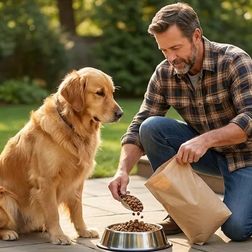
Bringing home a new dog should be exciting, but those first thirty days can feel like an emotional roller coaster. Your dog hides under furniture, refuses food, suddenly starts pulling everything out of the trash, or seems like a completely different animal than the one you met at the shelter. This episode walks you through exactly what's happening in your dog's brain during that critical first month, why their behavior will change week by week, and how to tell the difference between normal adjustment stress and a real problem that needs professional help. Your dog's behavior in the first week is almost never their real personality. They're usually too overwhelmed and stressed to act like themselves, so that "perfect" quiet dog might actually be shutting down emotionally, not being well-behaved. It's like being so nervous on your first day at a new school that you barely say a word. Around day ten to fourteen, most dogs suddenly seem worse, not better. They start testing boundaries, having accidents, and acting out because they finally feel safe enough to explore and be themselves. This isn't your dog revealing secret bad behavior; it's actually a good sign that they're starting to relax. Week three often brings a temporary behavior dip where your dog might seem anxious, clingy, or stubborn again. This happens because they've realized the change is permanent, which triggers a second wave of stress, kind of like when the reality of a big life change finally hits you after the initial excitement wears off. Normal adjustment issues like hiding, not eating for a day or two, or being jumpy around noises will gradually improve over the month. But if your dog won't eat for more than three days, shows aggression that gets worse instead of better, or can't be touched without extreme fear after two weeks, that's when you need to call a professional trainer or vet. The single most important thing you can do is create predictable routines immediately. Feed at the same times, use the same door for potty breaks, and keep the same schedule every day. Dogs feel safe when they can predict what happens next, even if they seem too stressed to notice the patterns at first. Show Links Affiliate Disclosure: As an Amazon Associate I earn from qualifying purchases. Full article Related Articles Complete Guide to Getting a New Dog: Essential Advice for First-Time and Experienced Owners Dog Training Collars: Complete Guide to Types, Safety, and Effective Use How to Puppy-Proof Your Home Before Bringing a Dog Home Senior Dog Dental Care: Understanding Aging Teeth and Gum Health Best Dog Training Collars: Buyer's Guide for Every Training Need and Dog Size

Best Dog Food for New Puppies and Adult Dogs

IA
Bringing home a new dog or puppy means making a hundred decisions fast, and choosing the right food is one of the most important. In this episode, Steven Whitlow breaks down ten top dog food options that actually deliver on nutrition and quality, whether you've got an eight-week-old puppy or a three-year-old rescue. He covers everything from large breed puppy formulas to grain-free options to premium choices for active dogs, with real-world insight from twenty years of hands-on experience. Show Links Affiliate Disclosure: As an Amazon Associate I earn from qualifying purchases. Full article Hill's Science Diet Puppy Large Breed Chicken Meal & Oats Recipe Purina Pro Plan Savor Adult Shredded Blend Chicken & Rice Formula Wellness CORE Grain-Free Puppy Deboned Chicken, Chicken Meal & Turkey Recipe Blue Buffalo Life Protection Formula Adult Chicken & Brown Rice Recipe Diamond Naturals Small Breed Adult Chicken & Rice Formula Taste of the Wild High Prairie Grain-Free Puppy Formula Royal Canin Size Health Nutrition Medium Puppy Dry Dog Food Merrick Grain-Free Puppy Recipe Deboned Chicken & Sweet Potato Nutro Ultra Adult Dry Dog Food Orijen Original Grain-Free Dry Dog Food Related Articles Complete Guide to Getting a New Dog: Essential Advice for First-Time and Experienced Owners Dog Training Collars: Complete Guide to Types, Safety, and Effective Use How to Puppy-Proof Your Home Before Bringing a Dog Home Senior Dog Dental Care: Understanding Aging Teeth and Gum Health Best Dog Training Collars: Buyer's Guide for Every Training Need and Dog Size
5 de 13