
The Pet Parent Podcast
por Total Pet Parent
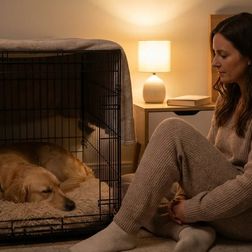
How to Crate Train a Dog to Sleep Through the Night Without Barking
If your dog's midnight barking and whining have turned bedtime into a battle, you're not alone—and you're probably making the same mistake most pet parents make: trying to force quiet instead of creating conditions where quiet feels natural. In this episode, Steven Whitlow breaks down the exact crate training process that helps dogs sleep through the night, covering everything from crate placement to pre-bedtime routines. Whether you're working with a new puppy or a recently adopted adult dog, this beginner-friendly guide gives you a realistic timeline and practical steps to finally get some sleep. Where you place the crate matters more than you think—putting it in your bedroom for the first several weeks provides the social comfort anxious dogs need, while basements and garages almost guarantee nighttime panic. Nighttime success actually starts during the day; spending three to five days building positive crate associations through random treats, meals, and short door-closed sessions prevents the midnight meltdowns. Covering three sides of the crate with a lightweight breathable blanket creates the den-like atmosphere dogs naturally seek, though some dogs prefer all four sides covered. Your pre-bedtime routine should start 45–60 minutes before crate time and include a final potty break, water removal, and calm low-energy activities like gentle petting or a frozen Kong to downshift your dog's energy. Closing the crate door in unpredictable intervals—sometimes 30 seconds, sometimes two minutes—prevents your dog from learning to anticipate release and getting anxious about it. Expect three to seven days for noticeable improvement and two to four weeks before you achieve consistent quiet nights; patience and consistency are non-negotiable. Read the full article: https://totalpetparent.com/how-to-crate-train-a-dog-to-sleep-through-the-night-without-barking
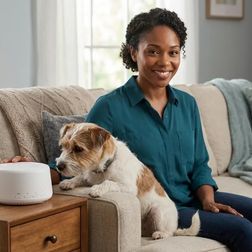
7 Best White Noise Machines for Dogs That Bark (Calming Solutions)

If your dog barks at every footstep, delivery truck, or mysterious nighttime noise, a white noise machine might be the simple fix you've been overlooking. In this episode, Jasmine Caldwell shares how a basic sound machine reduced her terrier mix's reactive barking by 70 percent in just 48 hours—and breaks down exactly what separates an effective dog-calming machine from one that won't work. Whether you're dealing with apartment hallway triggers, thunderstorm anxiety, or a multi-dog household, you'll learn which features actually matter and which seven machines deliver real results. Digital non-looping sounds outperform recorded loops every time—dogs can detect the repeating pattern in a 60-second loop, which defeats the purpose of masking trigger noises. Different noise types work for different dogs: white noise covers all frequencies equally, brown noise is deeper like distant thunder, and pink noise resembles steady rain—experimentation is key since every dog responds differently. Volume range matters more than most people realize; a timid puppy needs whisper-quiet coverage while a large dog barking at delivery trucks requires serious masking power with granular control. The LectroFan EVO earns the top spot for most dogs thanks to its 22 non-looping digital sounds, exceptional volume range, and compact travel-friendly design under one pound. Mechanical fan-based machines like the Yogasleep Dohm produce authentic white noise but offer limited sound variations compared to digital options. Safety features are essential—look for stable bases, durable construction, enclosed fan mechanisms, and no small detachable parts since dogs will inevitably investigate any new sound-producing object. Read the full article: https://totalpetparent.com/7-best-white-noise-machines-for-dogs-that-bark-calming-solutions
Why Does My Dog Bark at Nothing at Night? 9 Surprising Reasons Explained

Ever been jolted awake by your dog barking furiously at an empty hallway, convinced there's an intruder—only to find absolutely nothing there? You're not alone, and your dog isn't losing their mind. In this episode, Steven Whitlow draws on his experience working with hundreds of dogs to explain the nine surprising reasons your dog barks at seemingly empty spaces after dark, and more importantly, what you can actually do to fix it. Your dog isn't barking at "nothing"—they're detecting sensory information you literally can't perceive, including sounds up to 65,000 Hertz (compared to our 20,000) and scents picked up by their 300 million olfactory receptors versus our 6 million. Medical issues should always be ruled out first, especially in senior dogs; conditions like cognitive dysfunction syndrome (canine dementia), vision and hearing loss, arthritis, and dental disease can all trigger unexplained nighttime barking. Everyday sounds you'd never notice—like a neighbor's refrigerator compressor cycling on at 2 AM, rodents in walls, or the high-pitched hum of electronics—can be crystal clear to your dog's sensitive ears. Visual triggers like car headlights creating moving shadows, moonlight shifting through tree branches, or reflections can set off dogs who detect motion far better than detail. Keeping a journal to track when, where, and how often your dog barks is essential detective work that helps identify patterns and specific triggers in your home. With systematic investigation and the right approach, most owners see noticeable improvement within the first week, though fully addressing the underlying cause typically takes two to four weeks. Read the full article: https://totalpetparent.com/why-does-my-dog-bark-at-nothing-at-night-9-surprising-reasons-explained
Best Anti Bark Collar for Small Dogs: 8 Humane & Effective Choices
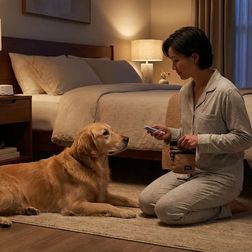
If your small dog's barking has reached emergency levels and you've tried everything from training classes to puzzle toys, you're not alone. This episode dives into what actually makes a bark collar safe and effective for tiny breeds, from proper sizing and humane correction methods to the detection technology that prevents false triggers. Whether you have a five-pound Yorkie or a fifteen-pound beagle, choosing the wrong collar can do more harm than good—here's how to get it right. Size and weight matter more than you think: small dog bark collars should fit necks starting at 6–7 inches, weigh under 2 ounces, and sit snug enough that you can only fit one finger between the collar and your dog's neck. The best collars use progressive correction, starting with gentle vibration or sound warnings before escalating, giving your dog a chance to self-correct rather than jumping straight to static correction. Dual-sensor bark detection combining sound recognition with vocal cord vibration is essential to prevent false triggers from other dogs barking, conversations, or jingling tags—especially important in apartments or multi-dog homes. Automatic safety shutoffs that stop corrections after 5–7 activations within 60–80 seconds protect your dog from overstimulation and prevent barking from turning into a stress loop. Always test static correction on your own wrist first, and look for collars with at least 5–7 intensity levels so you can find the absolute minimum that gets your dog's attention. Water resistance rated IPX5 or higher is necessary even for non-swimmers to handle rain, splashes, and water bowl accidents without damaging the collar. Read the full article: https://totalpetparent.com/best-anti-bark-collar-for-small-dogs
How to Stop Dog Barking at Night: 11 Proven Methods for Peaceful Sleep
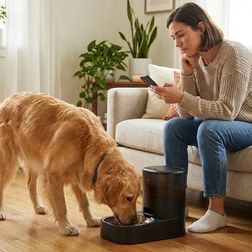
If your dog's 2 a.m. barking habit has you stumbling out of bed night after night, this episode breaks down exactly why it's happening and how to fix it. Host Steven Whitlow draws on experience working with hundreds of families to explain that there's no magic fix—but once you identify the root cause, most dogs can learn to sleep quietly within a couple of weeks. Whether you're dealing with a puppy who hasn't learned to self-soothe, an adult dog reacting to every sound outside, or a senior experiencing cognitive changes, this episode covers the specific techniques that actually work. Not all nighttime barking is the same—sporadic alert barking from outside noises requires a completely different approach than persistent barking driven by anxiety or attention-seeking behavior. Age dramatically shapes why dogs bark at night: puppies often need bathroom breaks or haven't developed emotional regulation, adult dogs typically react to environmental triggers or insufficient exercise, and senior dogs may vocalize due to cognitive dysfunction or pain from conditions like arthritis. Your home's nighttime quiet actually makes things worse—sounds that get drowned out during the day (like a raccoon two houses down) become crystal clear to your dog's sensitive hearing after dark. The reinforcement cycle is a trap most owners fall into: when you get up to check on your barking dog or tell them to be quiet, you've just taught them that barking gets your attention, even if it's negative attention. Dogs are crepuscular animals with shorter sleep cycles than humans, waking every 30–45 minutes—during those lighter sleep phases, they're far more likely to notice and react to sounds you'd sleep right through. Breed matters more than many owners realize—guard breeds were literally developed to announce potential threats, and hound breeds have strong vocalization instincts, so you're working with genetic predisposition rather than against it. Read the full article: https://totalpetparent.com/how-to-stop-dog-barking-at-night
How Long Can You Leave a Dog With an Automatic Feeder? Safety Guidelines
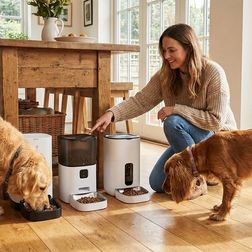
Planning a long workday or weekend getaway and wondering if your dog can handle being home alone with an automatic feeder? This episode tackles one of the most common questions pet owners face, and the answer is more nuanced than you might expect. Steven Whitlow draws on two decades of dog training experience to walk you through everything from assessing your individual dog's readiness to setting up a foolproof feeding system. Whether you're covering a 12-hour shift or a short trip, you'll learn exactly how to evaluate your specific situation and prepare your dog safely. Adult dogs ages two to seven with no health issues can typically handle eight to ten hours alone with an automatic feeder, but puppies under six months should never be left longer than their age in months plus one hour—a three-month-old maxes out at four hours. Dogs with separation anxiety won't be helped by an automatic feeder alone; some anxious dogs won't eat at all when stressed, and they need professional behavior modification before extended alone time. You should set up and test your automatic feeder for a full week while you're home, including weighing dispensed portions for three consecutive days to verify consistency and checking that the battery backup actually works. Water is more critical than food—dehydration becomes dangerous within twenty-four hours, so always provide at least two separate water sources in different locations in case one gets knocked over. Essential equipment includes a home monitoring camera with two-way audio, an emergency contact list with at least two people who can physically check on your dog, and your dog's medical records easily accessible for that emergency contact. Start conservative with alone time: if you've never left your dog for more than four hours, don't jump straight to a full weekend—build up gradually over about a week of training before your actual absence. Read the full article: https://totalpetparent.com/how-long-can-you-leave-a-dog-with-an-automatic-feeder-safety-guidelines
6 Best Automatic Dog Feeders for Multiple Dogs (Tested & Reviewed)
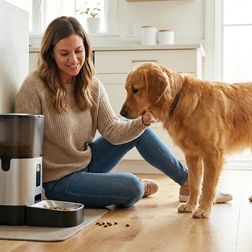
If you've ever watched your faster dog slide over to steal food from your slower eater's bowl, you know the mealtime chaos that comes with a multi-dog household. In this episode, Steven Whitlow breaks down the six best automatic dog feeders specifically designed to handle the unique challenges of feeding more than one pup. Whether you're dealing with food aggression, dogs of different sizes needing different portions, or simply tired of refereeing every meal, this guide covers what actually works in real kitchens with real dogs who definitely don't read the manual. Food capacity matters more than you think—calculate your total daily food needs and multiply by at least three days to avoid constant refilling that defeats the purpose of automation. Physical separation is the biggest factor in preventing food theft, whether through RFID-activated lids that only open for specific collar tags or simply placing feeders at least six feet apart. Battery backup is essential for multi-dog feeders since power outages can reset schedules, leaving dogs unfed or accidentally double-fed. Portion control precision varies widely between models—look for feeders that measure in quarter-cup or half-cup increments, especially if you're feeding dogs of different sizes. Build quality directly impacts longevity with multiple dogs; feeders under five pounds empty are too light and will get tipped over by medium to large breeds. The PetSafe Healthy Pet Simply Feed works best as a two-unit setup, holding 24 cups each with dispensing options from one-eighth cup to four cups per meal for maximum flexibility. Read the full article: https://totalpetparent.com/6-best-automatic-dog-feeders-for-multiple-dogs-tested-reviewed
How to Transition Your Dog to an Automatic Feeder in 5 Easy Steps
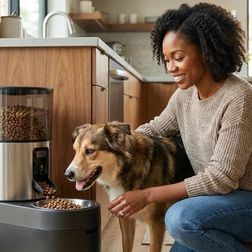
If your dog backs away, barks at, or flat-out refuses to eat from a new automatic feeder, you're not alone—and you're not doing anything wrong. This episode walks you through a proven five-step process to help any dog accept an automatic feeder within five to ten days, whether you're working with an anxious rescue, a food-obsessed Labrador, or a cautious senior. Steven Whitlow shares exactly how to introduce the feeder gradually so your dog builds confidence instead of fear. Let the feeder sit unplugged in your dog's space for two to three days before it ever dispenses food—rushing this foundation step is the most common mistake owners make. Hand-feed your dog from the feeder's bowl while the machine is off to create a positive association before any mechanical sounds enter the picture. Most dogs react to the whirring and food-dropping noises by jumping back or barking, which is completely normal and usually resolves within a couple of supervised test runs. Use high-value treats like chicken or cheese near the feeder bowl to reward your dog for approaching, especially during the first few automatic dispensings. Don't change your dog's food at the same time you introduce the feeder—combining two new variables makes troubleshooting behavioral issues much harder. Stay nearby for the first three to four scheduled feedings even after your dog seems comfortable; some dogs wait for permission before eating from the new setup. Read the full article: https://totalpetparent.com/how-to-transition-your-dog-to-an-automatic-feeder-in-5-easy-steps
Best Automatic Dog Feeders: 10 Smart Feeders for Busy Pet Parents (2024)

Ever woken up late to find four hungry dogs staring you down, their bowls conspicuously empty? This episode tackles the real-world challenge of maintaining consistent feeding routines when life throws curveballs. Host Jasmine Caldwell draws on years of professional and personal experience with dogs to break down exactly what busy pet parents need to know before investing in an automatic feeder—from portion control precision to the smart features that actually matter versus the ones that are just gimmicks. Gravity feeders should be reserved for water only—programmable portion-control feeders are essential for most dogs, especially those managing weight or needing scheduled meals when you're away. Look for feeders that dispense in quarter-cup increments or smaller, and offer at least four meals per day to accommodate puppies, medical conditions, or diet transitions. Always choose AC power with battery backup over battery-only models, and swap backup batteries every six months regardless of whether they seem dead—cheap insurance against missed meals. The most valuable smart features aren't cameras or treat dispensers; they're real-time feeding notifications, remote portion adjustment, and feeding history logs that can alert you to early signs of illness. Kibble size compatibility is a hidden deal-breaker—most feeders handle standard half-inch kibble, but small-breed formulas and large-breed chunks can cause jams, so check manufacturer specs before buying. If you can't fully disassemble and clean the feeder without tools while half-awake on a Sunday morning, it's not designed for real pet ownership and won't stay sanitary long-term. Read the full article: https://totalpetparent.com/best-automatic-dog-feeders
Best Cat Nail Clippers for Beginners: 8 Safe & Easy-to-Use Options
Trimming your cat's nails for the first time can feel intimidating, especially when your feline companion isn't exactly cooperating. In this episode, professional groomer Jasmine Caldwell breaks down exactly what makes a nail clipper beginner-friendly versus frustrating, drawing on nearly a decade of hands-on experience. Whether you're dealing with a squirmy kitten or a senior cat with dark nails that hide the quick, you'll learn which clipper styles actually set you up for success and which features are worth paying for. Scissor-style clippers with safety guards are the best choice for most beginners because they mimic familiar cutting motions and let you see exactly where the blade sits before you squeeze. Guillotine clippers require precise nail positioning and often trip up first-timers who can't see the blade clearly, leading to ragged cuts. Stainless steel blades are essential—dull or cheap metal will crush and splinter the nail, potentially cracking it into the quick and causing bleeding. Safety guards act like training wheels by limiting how much nail you can remove in one cut, which is especially valuable when trimming dark nails where the quick is invisible. Cat nails are thinner and more delicate than dog nails, so using oversized clippers designed for larger pets can crush the nail or cause you to cut more than intended. Spring-loaded handles that open automatically after each cut reduce hand fatigue significantly, making them ideal for anyone with arthritis or weaker grip strength. Read the full article: https://totalpetparent.com/best-cat-nail-clippers-for-beginners