P.I. Readings for Growth
por Faith Harmony
Protecting Your Peace - Episode Three
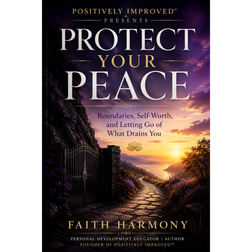
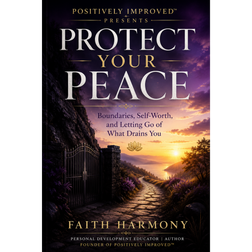
Episode 3: When Peace Slowly Disappears Peace does not always disappear because of one major crisis. Sometimes it fades quietly beneath responsibilities, expectations, chronic busyness, emotional exhaustion, and the constant feeling that there is always something else that needs your attention. In Episode 3 of Protect Your Peace: Boundaries, Self-Worth, and Letting Go of What Drains You, Faith Harmony explores what happens when a life that appears successful and meaningful on the outside gradually becomes exhausting on the inside. Through Melissa’s story, we examine the subtle progression of emotional depletion. She is accomplished, dependable, compassionate, and deeply committed to the people she serves. Yet beneath everything she manages successfully, her ability to experience rest, joy, presence, and emotional renewal is slowly disappearing. This episode challenges an important cultural assumption: busyness and fulfillment are not the same thing. A full calendar can coexist with an empty emotional reserve. Likewise, a meaningful life can include responsibility while still protecting the spaces necessary for recovery. We also explore what happens when chronic pressure moves beyond our schedules and begins affecting our minds and bodies. When the nervous system becomes accustomed to constant urgency, rest may feel uncomfortable, ordinary decisions can become exhausting, and even peaceful moments may be interrupted by thoughts about what needs to happen next. Protecting your peace, then, becomes more than simply reducing your schedule. It requires examining what you believe you must carry—and whether every burden you have accepted actually belongs to you. In This Episode We explore: How emotional exhaustion develops gradually Why functioning well does not necessarily mean you are thriving The difference between busyness and fulfillment Why emotional margins are necessary for a sustainable life How chronic stress can make ordinary responsibilities feel urgent Why the mind may struggle to rest even when the body stops The relationship between prolonged emotional strain and physical well-being Why physical symptoms deserve both appropriate care and thoughtful attention How constant productivity can prevent us from hearing our own needs Why peace is more than an emotional feeling How responsibility can exist without continually sacrificing well-being Why being capable of carrying something does not make it yours to carry How healthy boundaries can strengthen our capacity to love and give Why rest does not need to be earned How small, intentional choices can begin restoring peace About PI Reading for Growth PI Reading for Growth transforms Positively Improved books into reflective podcast experiences designed to encourage self-awareness, emotional resilience, personal growth, and practical transformation. Continue your journey with Protect Your Peace: Boundaries, Self-Worth, and Letting Go of What Drains You as we move next into one of the beliefs that can make boundaries so difficult: the belief that our value must continually be earned. Presented by Positively Improved™ Continue learning. Continue growing. Continue reflecting. Continue becoming positively improved. Namaste.
Protecting Your Peace - Episode Two
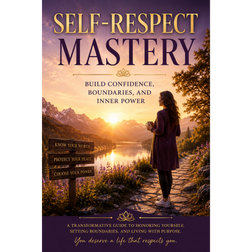
Episode 2: The High Cost of Constant Giving What happens when being the dependable one begins costing you your peace? In Episode 2 of Protect Your Peace: Boundaries, Self-Worth, and Letting Go of What Drains You, Faith Harmony explores the often-overlooked emotional and physical cost of chronic over-giving. Through the story of Marcus—a devoted teacher, husband, father, and helper who has gradually become exhausted by being the person everyone depends upon—we examine how generosity can slowly shift from a conscious act of compassion into an automatic obligation. This episode explores an important distinction: there is a difference between choosing to give and feeling as though you are not allowed to stop giving. We look beneath the surface of over-giving to consider how early experiences, expectations, approval, fear of disappointing others, and identity can teach us to connect our worth with our usefulness. The episode also explores the warning signs that can emerge when we continually exceed our emotional capacity: persistent exhaustion, difficulty resting, resentment, automatic yeses, disconnection from personal preferences, loneliness, and the gradual loss of our own dreams and sense of possibility. Most importantly, this conversation challenges the belief that protecting yourself somehow makes you less compassionate. Healthy boundaries do not require you to stop caring. They allow you to care without continually abandoning yourself. In This Episode We explore: Why generosity can gradually become obligation How being “the dependable one” can become part of our identity The connection between usefulness, approval, and self-worth Why functioning does not necessarily mean thriving How chronic over-giving can affect emotional and physical well-being Why resentment can be information rather than evidence of selfishness The difference between compassion and compliance Why being needed is not necessarily the same as being loved How self-abandonment happens through small everyday decisions Why some chronic givers become uncomfortable with rest The difference between being appreciated and truly being known How to reclaim the space between a request and your response Why a chosen yes is fundamentally different from an automatic yes How constant giving can eventually cost us our sense of possibility You do not become a better person by abandoning yourself. Protecting your peace does not diminish your kindness. It protects the emotional, physical, and spiritual resources that sustain genuine kindness. Sometimes one of the most meaningful boundaries we can create is simply learning to pause before saying yes. About PI Reading for Growth PI Reading for Growth transforms Positively Improved books into reflective podcast experiences designed to support self-awareness, emotional resilience, personal growth, and practical transformation. Continue your journey with Protect Your Peace: Boundaries, Self-Worth, and Letting Go of What Drains You as we explore how to build healthier boundaries without losing the compassion and generosity that make us who we are. Presented by Positively Improved™ Continue learning. Continue growing. Continue reflecting. Continue to improve positively. Namaste.
Episode One - Protect Your Peace: Boundaries, Self-Worth, and Letting Go of What Drains You
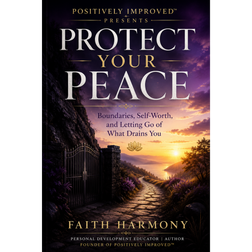
Protect Your Peace — Episode 1: The Night I Started to Wake Up What happens when being the person everyone can depend on begins costing you your own peace? In this opening episode of PI Reading for Growth, we begin our journey through Protect Your Peace: Boundaries, Self-Worth, and Letting Go of What Drains You by Faith Harmony. The episode begins with a quiet but life-changing moment: sitting at a kitchen table close to midnight, exhausted after another day of giving, helping, responding, and taking care of everyone else. It becomes the moment when an uncomfortable truth can no longer be ignored—constant giving may look like strength from the outside while slowly creating exhaustion, resentment, and disconnection within. Together, we explore the difference between healthy generosity and chronic self-sacrifice. Caring for others is not the problem. The problem begins when giving becomes connected to worth—when being needed becomes proof that we matter, saying yes becomes automatic, and saying no begins to feel selfish. We also examine why these patterns can be so difficult to change. Many of us have learned to identify ourselves as the strong one, the dependable one, the problem solver, or the person who does not need much. When those identities become deeply rooted, setting even a reasonable boundary can feel uncomfortable. But discomfort does not necessarily mean you are doing something wrong. In This Episode We explore: Why generosity and self-sacrifice are not the same thing How being needed can become connected to self-worth Why saying no can create guilt even when the boundary is healthy How resentment can signal repeated self-abandonment Why capable people can appear fine while quietly becoming depleted How relationships adjust when long-standing patterns begin changing Why another person's disappointment does not automatically mean your boundary is wrong The difference between giving from genuine choice and giving from fear or obligation How the 5R Method™ creates a practical path toward lasting change Why protecting your peace begins with awareness rather than blame Reflection for This Episode Take some quiet time to consider: Where in my life am I giving from depletion instead of genuine choice? Then go one step deeper: What am I afraid would happen if I stopped giving in this way? You do not need to immediately change anything you discover. For now, simply notice. Awareness is information, and information gives you the opportunity to make more intentional choices. Protecting your peace does not mean becoming uncaring, selfish, or disconnected from others. It means recognizing that your needs belong in the equation too. You do not have to wait until you are completely empty before your needs become important. Your peace matters now. Continue the Journey Subscribe to PI Reading for Growth and continue with us as we explore Protect Your Peace: Boundaries, Self-Worth, and Letting Go of What Drains You. Throughout this series, we will explore boundaries, self-worth, emotional exhaustion, guilt, unhealthy giving patterns, emotional resilience, and practical ways to stop abandoning yourself while still remaining compassionate toward the people you care about. If this episode reminded you of someone who is always strong for everyone else, consider sharing it with them. Continue learning. Continue growing. Continue reflecting. And continue becoming positively improved. Namaste.
Episode Fourteen - You Already Have Everything You Need
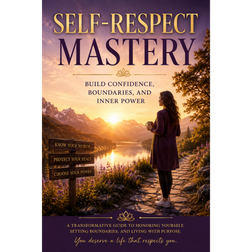
As we conclude the Self-Respect Mastery: Build Confidence, Boundaries, and Inner Power series, we arrive at perhaps the most important realization of all: self-respect was never something you had to earn—it was something you were always meant to remember. In this heartfelt final episode of PI Reading for Growth, we reflect on the quiet transformation that has taken place throughout this journey. Together, we'll explore how the 5R Method™ becomes a lifelong companion, why setbacks are simply invitations to begin again, and how true inner power comes from trusting your own inner compass rather than seeking constant external validation. This isn't the end of your journey. It's the beginning of living everything you've learned. In This Episode Why self-respect is remembered rather than earned Releasing the need for constant external validation Discovering the quiet milestones of genuine transformation Revisiting your Self-Respect Manifesto with fresh eyes Understanding the 5R Method™ as a lifelong cycle Returning to yourself during every season of life Celebrating progress instead of chasing perfection Viewing setbacks as information rather than identity Building community around authentic personal growth Sharing your story with honesty instead of perfection The ripple effect of living with healthy boundaries Embracing the truth that you already have everything you need Key Takeaways Your worth has never depended on your performance. Self-respect grows through remembrance, not achievement. The 5R Method™ is designed to support every stage of life. Quiet daily choices create lasting transformation. Healthy boundaries become natural through consistent practice. Setbacks are opportunities to reconnect with yourself. Community strengthens personal growth and healing. Authenticity inspires others more than perfection ever will. Inner power is rooted in self-trust rather than external approval. The journey of self-respect continues one intentional choice at a time. Practice This Week As you conclude this series, create a personal Letter to Your Future Self. Include reflections on these questions: What have I learned about my worth? Which unhealthy beliefs have I released? What boundaries am I most proud of establishing? How has my relationship with myself changed? What kind of life am I intentionally creating? What promises do I want to continue keeping to myself? Place this letter somewhere safe and revisit it six months from now. Then return to your Self-Respect Manifesto and read it aloud. Notice the statements that now feel effortless. Update any areas that reflect the person you are continuing to become. Finally, ask yourself one question that reflects the heart of Positively Improved™: "How can this be positively improved?" Allow that question to become a gentle guide for every new season ahead.
Episode Thirteen -The Unfolding Path of Inner Power
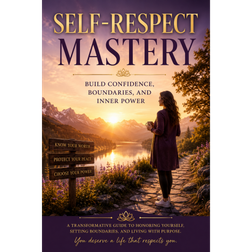
Every meaningful journey eventually reaches a moment of reflection—not to celebrate perfection, but to recognize transformation. In this final episode of PI Reading for Growth for Self-Respect Mastery: Build Confidence, Boundaries, and Inner Power, we look back on the path you've traveled and the person you've become. Together, we'll revisit the lessons of the 5R Method™, honor the courage it took to begin this journey, and explore how self-respect continues unfolding throughout every season of life. You'll discover that true inner power isn't found in dramatic breakthroughs or flawless performance. It's built through thousands of ordinary choices that quietly strengthen your confidence, deepen your relationships, and help you live with greater authenticity. As we close this series, you'll be reminded that self-respect is no longer something to chase—it has become the place you return to, the foundation you build upon, and the home you carry within yourself. In This Episode Looking back at the journey that began with quiet dissatisfaction Recognizing how self-awareness became the catalyst for change Revisiting each stage of the 5R Method™ Understanding self-respect as a relationship with yourself Why lasting transformation happens through ordinary daily choices Honoring the courage of the person who first began this journey Letting go of perfection and embracing lifelong growth Understanding setbacks as opportunities to reconnect rather than reasons to quit Discovering the quiet nature of authentic inner power The ripple effect your personal growth creates in the lives of others Why belonging never requires abandoning yourself Embracing self-respect as a lifelong companion Key Takeaways Personal transformation begins with honest self-awareness. You do not become someone new—you uncover who you have always been. The 5R Method™ is a lifelong framework for intentional living. Self-respect grows through consistent daily choices rather than dramatic moments. Progress is measured by presence, not perfection. Temporary setbacks never erase lasting growth. Inner power is expressed through calm confidence, honesty, and healthy boundaries. Authentic growth naturally influences the people around you. Your relationship with yourself becomes the foundation for every other relationship. Self-respect is no longer a destination—it is home. Practice This Week As you conclude this series, spend time reflecting on your personal journey. Write a letter to yourself using these prompts: What was my life like before I began practicing self-respect? What have I learned about my worth? Which boundaries have changed my life the most? What unhealthy beliefs have I released? What strengths have I discovered within myself? How do I want to continue living from this point forward?
Episode Twelve - Sustaining Momentum: The Ongoing Practice of Renewal
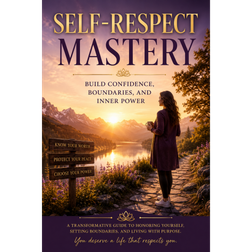
Personal growth isn't something we achieve once and then leave behind. It is a lifelong practice of returning to ourselves with intention, compassion, and honesty. In this episode of PI Reading for Growth, we explore the final stage of the 5R Method™—Renew—and discover why lasting transformation depends on continual reflection rather than perfection. Through Sylvia's experience of feeling "stuck" after months of success, you'll learn why peace can sometimes feel ordinary, why that's actually a sign of healthy growth, and how simple renewal practices can keep your personal development alive for years to come. We'll also explore the powerful practice of writing a Self-Respect Manifesto—a personal declaration of your values, boundaries, and commitments that serves as a compass whenever life becomes overwhelming. As this chapter brings together everything you've learned throughout the 5R Method™, you'll discover that self-respect is no longer something to pursue—it is a place you can return to every day. In This Episode Why personal growth can begin to feel ordinary over time Understanding Renewal as a lifelong practice rather than a final destination The importance of maintaining momentum through intentional reflection The garden metaphor for nurturing long-term emotional well-being How to conduct a quarterly self-respect check-in Why your values and boundaries naturally evolve throughout life The role of curiosity, lifelong learning, and continued personal development The importance of supportive relationships and healthy community Creating a personal Self-Respect Manifesto Using your manifesto as a compass during difficult seasons Why the 5R Method™ becomes your lifelong operating system Embracing the truth that self-respect is no longer a goal—it is home Key Takeaways Healthy growth often becomes quiet, steady, and deeply rooted. Peace should never be mistaken for stagnation. Renewal keeps personal growth alive through intentional reflection. Regular self-check-ins help prevent unconscious drifting. Values and boundaries should evolve as you continue growing. Lifelong learning strengthens emotional resilience and self-awareness. Supportive relationships make lasting growth more sustainable. A Self-Respect Manifesto provides clarity during seasons of uncertainty. The 5R Method™ is designed to become a lifelong practice rather than a temporary strategy. Self-respect is built through consistency, not perfection. Practice This Week Set aside 30 to 60 minutes this week for your own Renewal Session. Begin by asking yourself: Where have I honored my values recently? Where have I drifted away from them? Which healthy habits have become natural? What part of my life deserves greater attention right now? Is there one boundary that needs strengthening? Is there one boundary that has become unnecessarily rigid? After your reflection, begin writing your own Self-Respect Manifesto. Consider organizing it into three sections: My Non-Negotiables Write the behaviors, treatment, and patterns you will no longer accept from yourself or others. My Core Values Identify the principles that now guide your decisions and reflect the person you have become.
Episode Eleven -Who Do I Become When Self-Respect Becomes My Identity?
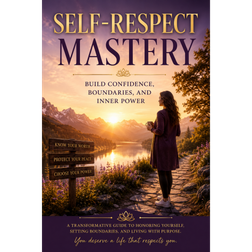
There comes a point in every personal growth journey when self-respect stops feeling like something you have to remember and starts becoming part of who you are. In this episode of PI Reading for Growth, we explore the powerful transformation that occurs when consistent, values-driven choices reshape your identity from the inside out. Through the stories of Carlos, Charlotte, Tamika, and Elena, you'll discover how repeated practice rewires the brain, builds lasting self-trust, and transforms the way you experience relationships. You'll also learn why healthy boundaries don't weaken genuine connection—they strengthen it by creating relationships built on mutual respect instead of self-sacrifice. If you've ever wondered what life looks like when self-respect becomes your natural way of living rather than something you constantly work toward, this episode offers a hopeful glimpse of what's possible through patient, consistent growth. In This Episode The transition from practicing self-respect to living it How identity transformation develops through consistent daily choices The role of neuroplasticity in creating lasting behavioral change Why self-respect eventually becomes your default response The difference between authentic healing and performing personal growth How personal growth creates ripple effects throughout your relationships Why changing your boundaries changes relationship dynamics Understanding the natural "sorting process" in relationships Recognizing relationships built on reciprocity versus self-sacrifice How healthy romantic relationships recalibrate through mutual respect Developing healthier friendships and professional relationships Practicing grounded warmth: caring deeply without losing yourself Key Takeaways Lasting transformation happens through small, consistent choices over time. Identity shapes behavior more powerfully than willpower alone. Self-respect becomes easier when it is part of who you are rather than something you are trying to do. Neuroplasticity allows your brain to build healthier patterns through repeated action. Authentic healing is quiet, steady, and deeply personal. Healthy boundaries naturally reshape the relationships around you. Some relationships grow stronger as you change, while others may naturally fade. Reciprocal relationships become easier to recognize as self-respect increases. Compassion becomes healthier when it is no longer fueled by guilt or obligation. Loving others and honoring yourself are not competing priorities—they strengthen one another. Practice This Week This week, pay attention to the moments when self-respect happens naturally. Ask yourself: Did I honor my needs without overthinking? Did I trust myself instead of seeking permission? Did I communicate honestly without trying to manage someone else's reaction? When you notice one of these moments, pause and acknowledge it. Rather than asking, "Did I do that perfectly?", ask yourself: "Is this becoming part of who I am?" Also take a few minutes to reflect on your closest relationships. Quote from This Episode "The goal of self-respect is not to become perfect. It is to become the kind of person who naturally honors their own worth with quiet confidence, honest boundaries, and compassionate strength.
Episode Ten — Part One The Pitfall of Perfectionism
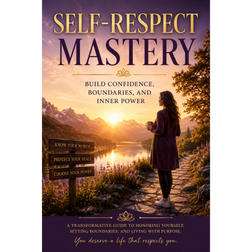
Perfectionism often disguises itself as personal growth, convincing us that every boundary must be communicated flawlessly and every setback means we've failed. In this episode of PI Reading for Growth, we explore how perfectionism quietly undermines self-respect and why embracing "good enough" can become one of the most liberating steps on your healing journey. Through the stories of Tara and Nadia, you'll discover how to let go of impossible standards, practice imperfect boundaries with confidence, and navigate the difficult reality that not everyone will celebrate your personal growth. You'll also learn practical tools for maintaining healthy relationships without sacrificing your own emotional well-being. If you've ever believed you needed to be perfect before you deserved peace, this episode offers a compassionate reminder that self-respect is built through consistent practice—not flawless performance. In This Episode How perfectionism sabotages personal growth Why perfectionism often disguises itself as responsibility The danger of turning self-improvement into self-criticism Understanding the "good enough" boundary Applying the 80/20 principle to healthy boundaries Why imperfect practice creates lasting confidence Learning to adapt your boundaries during difficult seasons Why messy boundaries are often the most authentic Understanding resistance from family and friends Separating another person's emotions from your responsibility How to maintain boundaries while preserving meaningful relationships Using a Relationship Response Log to identify healthy relationship patterns The importance of surrounding yourself with people who encourage your growth Key Takeaways Perfection is not the goal of self-respect. Progress is built through repetition, not flawless performance. A boundary that protects your well-being—even imperfectly—is still a successful boundary. Confidence usually follows courageous action, not the other way around. Growth requires flexibility, especially during stressful seasons of life. Other people's resistance often reflects changing relationship dynamics rather than the health of your boundary. You can care deeply about someone without becoming responsible for managing their emotions. Healthy relationships grow stronger through honesty, mutual respect, and clear communication. Self-respect becomes stronger every time you choose authenticity over approval. Practice This Week Practice giving yourself permission to be imperfect. When setting a boundary this week, don't aim for flawless communication. Instead, focus on these simple questions: Did I honor my needs? Did I communicate honestly? Did I act with kindness and self-respect? Afterward, remind yourself that courage matters more than polished delivery. If you experience resistance from someone else, pause before reacting. Ask yourself: Is this their emotional response to process? Am I abandoning my needs to reduce someone else's discomfort? How can I remain compassionate without sacrificing my own well-being? Finally, begin your own Relationship Response Log by recording: What happened? What boundary did I communicate? How did the other person respond? How did I feel afterward?
Episode Nine - What Happens When Life Tests My Boundaries
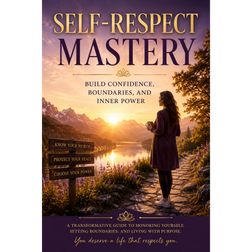
Healthy boundaries are rarely tested when life is calm—they're tested when emotions are high, relationships become complicated, and old habits quietly resurface. In this episode of PI Reading for Growth, we explore why setbacks are a natural part of personal growth and how they can become powerful opportunities for deeper self-respect rather than reasons to give up. Through the relatable stories of Priya and Miguel, you'll discover how guilt, fear, exhaustion, and emotional conditioning can influence even our best intentions. More importantly, you'll learn how the 5R Method™ provides a practical roadmap for recovering from setbacks with compassion instead of self-criticism. If you've ever found yourself saying yes when you wanted to say no, questioned your progress after one difficult moment, or struggled with the guilt that often follows healthy boundaries, this episode will remind you that growth isn't about perfection—it's about learning to return to yourself with greater wisdom every time life tests your resolve. In This Episode Why setbacks are a normal part of personal growth The difference between slipping and failing How exhaustion lowers our emotional capacity Why shame prevents lasting change Understanding the relationship between boundaries and self-respect How the 5R Method™ helps you recover after difficult moments The importance of restoring emotional balance before making decisions How to recognize limiting beliefs that keep boundaries difficult The difference between guilt and authentic regret Understanding the guilt, fear, and pushback loop Why other people's reactions do not determine the health of your boundaries Building self-trust through consistent, compassionate practice Key Takeaways One setback never erases your progress. Your nervous system often returns to old survival patterns during times of stress. Healthy boundaries become stronger through repetition, not perfection. Shame encourages avoidance, while curiosity encourages learning. Emotional recovery begins with restoring balance, not self-punishment. Guilt is not always a reliable guide. Compassion and healthy boundaries can exist together. Self-respect grows every time you honor your values despite temporary discomfort. The goal is not flawless boundaries but resilient recovery. Practice This Week The next time you notice yourself slipping back into an old pattern, pause before criticizing yourself. Practice the 5R Method™: Recognize what happened without judgment. Rebalance by identifying what your mind and body truly need. Reframe the story you're telling yourself with a more balanced perspective. Regenerate through intentional rest and emotional restoration. Renew your commitment by taking one small action that aligns with your values. Remember that growth is not measured by avoiding every setback. It is measured by how gently and consistently you return to yourself afterward. Resources Book: Self-Respect Mastery: Build Confidence, Boundaries, and Inner Power Created by: Positively Improved™ Until next time, continue learning, continue growing, continue reflecting, and continue becoming positively improved. Namaste.
Episode Eight - What Happens When Life Tests My Boundaries
Growth is rarely a straight path. Even after we begin practicing healthy boundaries, life has a way of testing our progress through difficult conversations, unexpected obligations, and emotional pressure. In this episode, we explore why setbacks are a normal part of personal growth and how they can become valuable opportunities for deeper healing rather than reasons to give up. Through the stories of Priya and Miguel, you'll discover how the 5R Method™ helps transform moments of guilt, fear, and self-doubt into renewed confidence and lasting self-respect. You'll also learn how to recognize the difference between authentic compassion and unhealthy self-sacrifice, allowing you to honor both your relationships and your own well-being. Whether you've recently struggled to maintain a boundary or simply want to strengthen your emotional resilience, this chapter offers practical guidance for navigating life's inevitable tests with greater wisdom, courage, and self-compassion. In This Episode Why setbacks are a natural part of meaningful personal growth. How one difficult moment does not erase months of progress. The difference between failure and valuable emotional data. Applying the 5R Method™ after a boundary slip. How shame prevents learning while curiosity encourages healing. Understanding the connection between nervous system regulation and healthy decision-making. Reframing limiting beliefs that fuel people-pleasing. Why self-care is essential after emotionally difficult experiences. Recognizing the guilt, fear, and pushback loop. The difference between unhealthy guilt and authentic regret. How childhood conditioning influences adult boundaries. Practical strategies for responding to manipulation without abandoning yourself. Building an internal voice of self-respect that becomes stronger over time. Key Takeaways Every setback is an opportunity to learn rather than evidence that you have failed. Healthy boundaries become stronger through recovery, not perfection. Your worth is not determined by another person's reaction to your limits. Emotional discomfort is often a sign of growth, not wrongdoing. Self-respect develops through consistent, compassionate choices made one moment at a time. Restoring your emotional and physical well-being is part of maintaining healthy boundaries. The strongest boundaries are rooted in clarity, honesty, and compassion. Enjoying PI Reading for Growth? If this episode encouraged you, please consider subscribing, leaving a review, and sharing it with someone who may need this message today. Your support helps Positively Improved reach more people seeking healing, growth, and a life rooted in peace. Thank you for listening, and until next time, continue learning, continue growing, continue reflecting, and continue becoming Positively Improved. Namaste.