
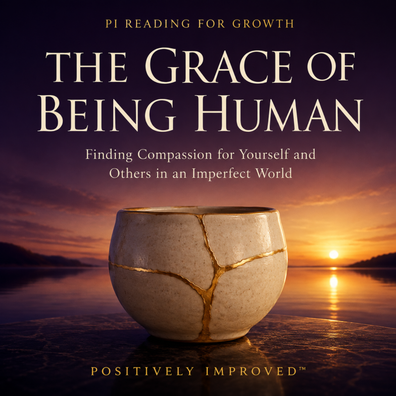
Notas del episodio
In this episode of The Grace of Being Human, we explore practical ways to respond to mistakes without allowing the inner critic to define who we are.
Through Mia’s experience following a small mistake at work, we examine how quickly the inner critic can transform an ordinary human error into a painful judgment about our intelligence, capability, or worth. We also learn why hearing a critical thought does not require us to believe it.
This episode introduces several practical methods for developing a more compassionate internal voice. These methods do not excuse mistakes or eliminate accountability. Instead, they help us face the truth without becoming overwhelmed by shame.
We explore pause-and-name, compassionate language, the three-step Self-Compassion Pause, gentle accountability, and simple rituals that can gradually change how we relate to ourselves during difficult moments.
In This Episode
- Why the inner critic is not always a trustworthy narrator
- How to hear critical thoughts without automatically believing them
- The difference between accountability and internal abuse
- Why compassionate language remains honest about mistakes
- How replacing “should” with “could” creates room for growth
- The three steps of the Self-Compassion Pause
- How gentle accountability supports meaningful change
- The difference between explaining behavior and excusing it
- How to turn mistakes into specific lessons
- Simple compassion rituals that can be incorporated into everyday life
The Self-Compassion Pause
When a mistake or difficult emotional moment occurs, move through these three steps:
- Acknowledge: Name what happened without adding judgment.
- Validate: Remind yourself that mistakes, difficult emotions, and imperfect reactions are part of being human.
- Intend: Ask, “What would be a kind and honest next step?”
The compassionate pause does not replace reflection, repair, or responsibility. It creates a steadier bridge between what happened and how you choose to respond.
Gentle Accountability
Gentle accountability includes:
- Separating the fact from the painful story attached to it
- Examining contributing conditions without using them as excuses
- Making appropriate amends
- Identifying a specific lesson or behavioral change
Harshness often makes us afraid to face the truth. Gentleness helps us remain present long enough to learn from it.
A Gentle Reflection
Choose one compassion practice to use this week:
- Say, “I hear the critic,” when self-judgment begins
- Replace one “should” with “could”
- Ask yourself what you would say to a respected friend
- Practice acknowledgment, validation, and intention
- Write one fact, one feeling, and one lesson from your day
- Set a morning intention for how you want to treat yourself
You do not have to master every practice at once. The goal is to keep returning to a kinder and more honest relationship with yourself.
Continue the Journey
Follow PI Reading for Growth and continue exploring The Grace of Being Human. If this episode offered you a healthier way to respond to mistakes, consider sharing it with someone who may need the reminder that compassion and accountability can grow together.
Continue learning, continue growing, continue reflecting, and continue becoming positively improved.
Namaste.