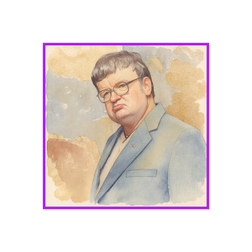
The Man Who Refused to Die: Donald Sutherland's Extraordinary Will to Live
Some men shake hands with death. Others lock eyes with it… and recognize it from childhood. Before Donald Sutherland was a legend, before the movies, before the voice, before the face you can’t forget—death came for him early. Polio. Rheumatic fever. Hepatitis. Scarlet fever. Pneumonia. Hospital beds were his playground. Gasping for air was his lullaby. And every time, a small, stubborn body said no. Then came 1968. A quick job. Easy money. Two weeks in Yugoslavia filming Kelly’s Heroes. A goofy role. A carefree shoot. And a river carrying something no one could see. Bacterial meningitis doesn’t knock. One moment he was joking between takes. That night, he collapsed. No antibiotics. No warning. A telegram crossed the ocean: “Your husband is dying. Come immediately.” Donald slipped into a coma. For six weeks, his body lay still while nurses fought a losing battle—seven spinal taps, shattered needles, whispered prayers, quiet sobs. People came in. Looked. Wept. Left. And Donald heard everything. Then the monitors went flat. His heart stopped. His brain went silent. Donald Sutherland died. What happened next came before the world even had a name for it. A blue tunnel. A white light. A peace so seductive it begged him to stop fighting. To let go. To drift. And that’s where this story really begins. Because death had finally won. Or so it thought. 🎙️ This episode isn’t about fame. It’s about refusal. About what happens in the dark space between life and death— and the moment one man decided, once again, to say no.