Creating Communities for Neurodivergent People

Creating Communities for Neurodivergent People

por Judith M. Weigle
Temporada 1

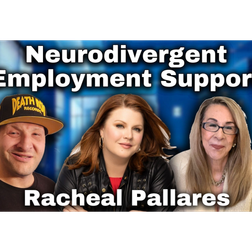
Neurodivergent Employment Support & Career Coaching w/Racheal Pallares, Neurodiversity Training Institute

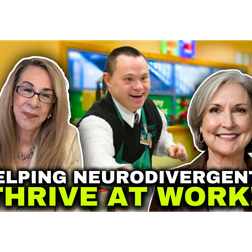
Neurodivergent Employment Support & Career Coaching | Racheal Pallares (Neurodiversity Training Institute) In this episode of Creating Employment for Neurodivergent People, I’m joined by Racheal Pallares, CEO and Founder of the Neurodiversity Training Institute, along with co-host John, for a conversation about finding and sustaining neurodivergent-friendly employment. Racheal shares how her work supports neurodivergent adults—and parents of neurodivergent young adults—through career coaching, job search guidance, and workplace success strategies. Her approach centers on helping individuals identify what they enjoy, where their strengths lie, and how to build a career that aligns with their interests rather than forcing themselves into unsupportive systems. John also shares his lived experience navigating today’s job market, including the difference between working in environments that supported his access needs versus those that created barriers. Workplace Training for Neurodivergent Individuals Support for autistic, ADHD, AuDHD, dyslexic, and dyspraxic adults, including: • Job search coaching • Career coaching for the unmasked professional • Workplace success strategies for executive functioning challenges • Productivity tools designed for neurodivergent brains Training and consultation that helps organizations: • Improve communication and productivity • Implement accommodations that actually work • Design workplace policies that support autistic, ADHD, and AuDHD professionals • Rethink environments that weren’t built with neurodivergent people. Why This Conversation Matters? Neurodivergent adults are capable, skilled, and innovative—but often excluded by outdated workplace structures. This episode highlights practical solutions for both job seekers and employers looking to build inclusive, sustainable work environments. Who Is Racheal Pallares? *CEO and Founder of the Neurodiversity Training Institute. *Career Coach and Corporate Trainer *Organizational Psychologist *Corporate Recruiter www.NeurodiversityTrainingInstitute.com Finding work neurodivergent, where to find work if you are special needs, employment tips and careers for neurodivergent adults, how to find employment as a neurodivergent individual, finding the perfect job, finding a workplace where you belong, neurodivergent employment, autistic employment support, ADHD workplace accommodations, neurodiversity in the workplace, career coaching neurodivergent, inclusive hiring practices, executive function at work, neurodivergent job coaching #Disability #neurodivergent #workplaceinclusion #careerdevelopment #inclusive leadership #neurodivergentcareerdevelopment #careercoach #neurodivergentcareer coach

Empowering Neurodivergent Job Seekers with/Nancy Wells, Founder & CEO w/AbleTalks.org

Empowering Neurodivergent Job Seekers | Inclusive Hiring with Nancy Wells of AbleTalks In this episode of Creating Communities for Neurodivergent People, I sit down with Nancy Wells, Licensed Professional Counselor and founder/CEO of AbleTalks, Inc., to discuss effective strategies that help autistic and neurodivergent adults thrive in employment. We explore how neurodivergent job seekers can succeed through video job applications, soft skills development, tailored job placements, and strength-based career planning. Nancy also shares insights on building confidence, improving workplace communication, and creating inclusive opportunities that allow neurodivergent individuals to become experts in their own lives. This conversation highlights the importance of mentoring, self-advocacy, and community-based employment programs—plus upcoming initiatives AbleTalks is developing to support neurodivergent workers and future leaders. Topics we discuss in this episode: I. Empowering Neurodivergent Job Seekers II. Thinking “Career,” Not Just “Job” III. Identifying & Using Soft Skills for Neurodivergent Employment IV. Neurodivergent Hiring Success Story V. Neurodivergent Leadership & Communication VI. Tailored Job Placement for Autistic Individuals VII. Peer Mentoring & Self-Advocacy VIII. Inclusive Workplace & Employment Initiatives IX. Disability-Focused Video Job Applications X. Neurodivergent Career Coaching Retreat Who is Nancy Wells? Nancy Wells is a Licensed Professional Counselor and the founder/CEO of AbleTalks.org, a nonprofit dedicated to empowering individuals with disabilities to take ownership of their lives and careers. She is a passionate advocate for inclusive employment, inspired in part by her experience as a parent of two autistic daughters. Career paths for people with disabilities, why is it so hard to find a job as a disabled person, finding work while disabled, can disabled people work, best job training programs, landing a successful career, receiving employment assistance, disability community resources, how to be independent with disabilities #neurodivergent #autism #neurodivergentemployment #inclusiveemployment #autisticemployment#selfadvocacy #neurodivergentjobs #disabilityemployment #neurodivergentcareers #autisticadults

Know Your Rights: Disability Employment & Housing with Ibrahim "Beto" Saab, Esq.

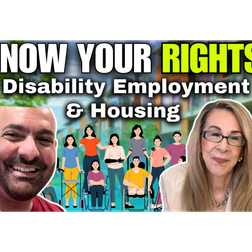
Know Your Rights: Disability Employment & Housing w/Ibrahim “Bebo” Saab, Esq. w/Disability Rights California In this episode you will learn about advocacy and legal rights for people with intellectual and physical disabilities to include various aspects of disability support, educational transitions, employment opportunities, housing options and protection against financial abuse. 1. Regional Centers in each county provide financial support for developmental and intellectual disabilities: Autism Cerebral Palsy Intellectual Disabilities Epilepsy These are conditions that occur as an outgrowth of intellectual disabilities / supportive living services. Income does not affect eligibility for services. Acts as a payor of last resort, requiring documentation of attempts to exhaust generic resources before providing assistance. 2. Self-advocacy is important within the disability rights community for the following services: IHSS (In-Home Supportive Services) for physical and intellectual disabilities Transitioning from high school or college to work opportunities requires a different aspect of support services Under the Individuals with Disabilities Act (IDEA) transition planning must begin at age 16, including conversations with the individual regarding their interests and future plans. The Workforce Innovation and Opportunity Act of 2012 provides free employment services and support. The Department of Rehabilitation supports students with disabilities through education and employment opportunities like “self-determination dollars” and micro-enterprise programs for people with disabilities to start their own companies. Employment First Policy in California aims to provide competitive, integrated employment opportunities, moving away from segregated work environments and minimum wage jobs. Disability Rights California is the largest disability rights organization in the country, but there are other Disability Rights organizations in almost every state. 3. Financial Abuse of Disabled Individuals is a concern. Financial abuse is prevalent within caregivers and others who manage money for disabled people. Alternatives to Conservatorships, another avenue of potential financial abuse includes power of attorney, supportive decision-making, advance directives that emphasize empowerment and protection against financial abuse. 4. Housing: One of the biggest challenges in transitioning from high school to employment are the parents who don’t want to let their children with disabilities leave home. Knowing how to have the right support services for your disabled child will help parents feel more comfortable about having their child leave home. Living where you feel comfortable is most important for disabled people. Options in Housing: Supported Living Foster Family / Host Family Brookwood Community, Texas Lambs Farm, Illinois Know your rights to work Americans with disabilities act, fair housing rights for people with disabilities, reasonable accommodations, what are the employment rights for people with disabilities, joining the work force best practices, what are the rights for disabled people, how to find a lawyer to represent a special needs child, what lawyers represent disabled individuals, know your rights, advocating for workplace disability access and accommodations ADA, ADA protections at your work place, understanding ADA for workers #neurodivergentJobs #NeurodivergentPodcast #neurodivergenthousing #bestjobsfordisabledpeople #specialneedshousing

Therapy Reimagined with Natalia Zimm, LMFT, M.A.

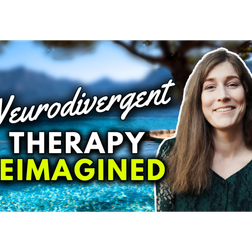
Therapy Reimagined for Neurodivergent People w/Natalie Zimm, M.A. LMFT “I feel better already!” Listen Here: https://youtu.be/Z74tSjpfBvg In this episode of Creating Communities for Neurodivergent People, you will meet Natalie Zimm, Psychotherapist, Author, Artist. Her niche client base is ADHD, AuDHD, and Autism. Plus, Highly Gifted and Highly Sensitive People, Creatives, and OCD/anxiety. Natalie is AuDHD. Married to her husband with ADHD. How Natalie came to work in this area of neurodivergency Some of the issues therapy can address: Masking, Social Skills, Social Justice, Overstimulation, High Sensitivity, Feeling Invisible Importance and Meaning of receiving a diagnosis: Compassion for ourselves and for others, and Comparison with Others; quieting the Inner Critic as a result of understanding ourselves Intimate Relationships for people with Autism and ADHD/AuDHD and the challenges when two people are on the spectrum Takeaways 1. Understand why you feel exhausted from masking at social interactions 2. Unlock options in your working schedule 3. Free your mind from feeling awkward and slighted 4. Free your inner child to feel self-love 5. Turn the feeling of invisibility to recognition Natalie Zimm: www.NatalieZimmTherapy.com 💬 Learn more about Natalie Zimm: www.NatalieZimmTherapy.com 🔴Be sure to subscribe to Creating Communities for Neurodivergent Communities for more neurodivergent success stories: https://youtube.com/@creatingcommunitiesnp?si=cSVBBUOHeWrmkVdz What it’s like being diagnosed as ADHD during childhood, what it’s like being late diagnosed with autism, disability success stories, helping special needs children develop an interest into a career, how to make friends on autism spectrum, how do I make friends as an adult, why are 85% of Autistic adults unemployed, how to successfully address social skills issues in therapy #Neurodivergenttherapy #autistictherapy #neurodivergentpodcast #bullying #masking #socialjustice #highlysensitive #ADHDtherapy #overstimulated #NeurodivergentSupport #besttherapypratices #overcominganxiety #ADHDsupport #FindingCommunity
Building a Life w/Down Syndrome | Tony Phillips Neurodivergent Entrepreneurial Success Story

Building a Life w/Down Syndrome | Tony Phillips, Neurodivergent Entrepreneur Success Story In this inspiring episode of Creating Communities for Neurodivergent People, Judy sits down with Tony Phillips—an artist, writer, athlete, and entrepreneur living with Down Syndrome. Tony proves that people with intellectual disabilities have marketable skills and talents, whether through entrepreneurship or traditional employment. This conversation highlights that individuals with Down Syndrome can communicate, work, share opinions, live semi-independently, and live full, joyful lives. Despite challenges associated with being special needs, Tony lives an independent lifestyle with his host family. His host family teaches him how to manage a bank account, buy painting supplies, write books, while supporting his self-employment. Be sure to subscribe to Creating Communities for Neurodivergent People on YouTube for more inspiring, advice-filled and uplifting stories Subscribe: https://youtube.com/@creatingcommunitiesnp?si=jiRLKYGWD1sKdJXf What you’ll learn in this episode: • How Tony paints, sketches, and is pursuing publication for his book • The kinds of support he needs as an artist, from supplies to banking • What it’s like to live with a Host Family—and how Host Housing works as an alternative to living with parents • Why transportation continues to be a challenge for people with disabilities • The story behind “Up Syndrome” and how Tony socializes and builds community • Karie’s perspective as Tony’s sister on long-term care and advocacy Key Takeaways: 1. People with disabilities can do far more than many expect—if given the chance. 2. Host Housing provides an empowering alternative to the parental home. 3. Tony lives out his passions daily: writing, painting, athletics, and running a seed business. 4. Parents must create opportunities for their neurodivergent children to grow. 5. Don’t just accept the status quo from agencies—advocate, speak up, or make changes. 6. True independence comes when neurodivergent people are trusted to take the controls of their own lives. Thriving with Down syndrome, what is Down syndrome, biggest Down syndrome misconceptions, helping someone with Down syndrome live independently, proper care, best caretaking practices, caring for an adult with Down syndrome, disability success stories, how to be successful while disabled, living a productive life with good medical care, what you can expect as a parent, what parents can do to ensure safe independent living conditions #downsyndrome #downsyndromeawareness #independantliving #hosthome #buildingcommunity #disabilitycommunity #hostfamily #disabledbusinessowners #NeurodivergentVoices #DisabilityAdvocacy #CommunityMatters #TransportationEquity #NeurodivergentEmployment #InclusionMatters #Advocacy #community #choosingfriends #transportation #NeurodivergentEmployment
2 de 2