Shift with CJ

Shift with CJ

por Chiranjeev Malhotra
Temporada 1
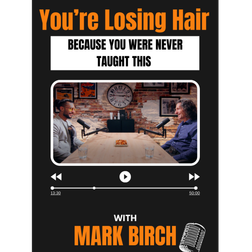
You’re Losing Hair Because You Were Never Taught This | Mark Birch
With nearly five decades of clinical experience, Mark Birch breaks down why hair health starts at the scalp—not supplements, transplants, or trends. This episode dismantles common myths, explains why hair loss has accelerated globally, and shows how daily habits, environment, stress, and product choice quietly determine whether hair thrives or thins. Key Discussion Highlights Mark explains that the scalp is the fastest-aging skin on the body and requires daily care, much like teeth or facial skin. Poor hygiene, clogged follicles, harsh chemicals, and misinformation drive unnecessary hair loss. Dubai’s environment—hard water, constant air-conditioning, UV exposure, and humidity—adds extra stress, making maintenance even more critical. Hair loss is not one condition; there are 40+ types, influenced by genetics, hormones, stress, medications, nutrition, and lifestyle. While genetics set the blueprint, daily care determines how aggressively hair loss expresses. Mark emphasizes that most people spend money on treatments before fixing basics like scalp cleanliness, pH balance, and circulation—often worsening the problem. The episode also explores nutrition, stress, sleep, exercise, chemical processing, styling products, oils, and why many “natural” hacks (onions, oils, mud, DIY remedies) can actually damage the scalp. Technology like red-light therapy and circulation-boosting tools can help—but only after the foundation is right. Key Takeaways • Hair health begins with scalp hygiene, not pills or procedures • Washing the scalp daily with the right shampoo improves circulation and growth • Most hair loss is preventable or slowable with proper maintenance • Harsh chemicals, oils, and styling products clog follicles and accelerate thinning • Transplants fail without proper pre- and post-scalp care 5 Things You Can Start Doing Today Wash your scalp daily with a shampoo suited to your scalp type (not trends or scents). Use a conditioner every wash and a nourishing hair mask once weekly. Stop applying oils, gels, waxes, or DIY remedies directly to the scalp. Prioritize sleep, stress reduction, protein intake, and whole-food nutrition. Treat hair like skin: cleanse after sweating, swimming, beach exposure, or heavy styling. This episode is a reset: hair health isn’t complicated—but it is disciplined. Clean scalp, correct products, consistency, and respect for biology win every time.
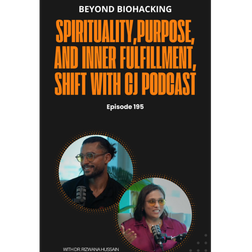
Beyond Biohacking, Spirituality, Purpose, and Inner Fulfillment, Shift with CJ Podcast
In this episode of Shift with CJ, I step into the guest seat on Dr. Jameel Rizwana Hussain's podcast Let the Soul Speak. Riz is a spiritual and manifestation coach, and together we explore what it really means to “upgrade your human”—going beyond biohacking tools and into purpose, spirituality, and inner fulfillment. We talk about how my journey into health didn’t start with supplements or saunas. It started with pain. Growing up obese and being bullied pushed me toward martial arts, then fitness, CrossFit, and physical mastery. From the outside, things looked great—but inside, I felt hollow. That gap led me to search for happiness, peace, and meaning beyond the body. Biohacking gave me the science and language to understand longevity, energy, and performance. But over time, I realized something important: spirituality begins where biohacking ends. Biohacking can optimize sleep, HRV, and physical health, but it can’t fill what I call the “eternal hole in the heart.” That’s where spirituality comes in. RZ and I revisit a powerful idea we shared years ago: we are not human beings having a spiritual experience—we are spiritual beings having a human experience. This perspective reframes how we approach health, success, and suffering. We also dive into the meaning of my name, Chiranjivi, which in Sanskrit means “eternal” or “one who works toward longevity and well-being.” Once something I resisted, it later felt like a calling. I share my most spiritually transformative experience at the Maha Kumbh Mela and during Mahashivratri in Varanasi, where I experienced deep inner calm, heightened intuition, and a profound connection to Krishna. A key theme throughout the episode is moderation. Extremes—even in wellness—eventually backfire. The middle way, as taught by the Buddha, is what sustains health, clarity, and peace. Looking forward, my mission is to simplify biohacking, make optimization accessible to more people, and personally go much deeper into the spiritual path. Key Takeaways Biohacking optimizes the body, spirituality fulfills the soul. Physical fitness alone doesn’t guarantee inner peace. We are spiritual beings having a human experience. Moderation is the foundation of long-term wellness. Inner anchoring leads to clarity, joy, and fulfillment. 5 Things You Can Start Doing Today Spend time on inner work and find your spiritual anchor. Practice moderation in food, training, work, and habits. Wake up earlier and move your body daily. Connect with people and spend time outdoors. Get sunlight, ground yourself, and prioritize quality sleep.
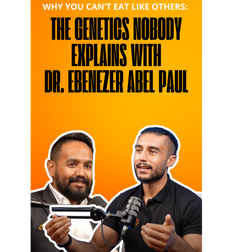
Why You Can’t Eat Like Others: The Genetics Nobody Explains | Dr. Ebenezer Abel Paul
In this episode of Shift with CJ, I sit down with Dr. Ebenezer Abel Paul, founder of Verve Wellness Dubai, to break down one of the biggest questions in health and longevity: If our genes are fixed, why are we all so different—and how much control do we really have? We take genetics out of the abstract and bring it down to first principles. Why some people tolerate carbs better. Why others struggle with dairy, stress, or weight. Why environment, culture, and modern city life (especially Dubai) can either switch on disease or unlock performance. Dr. Ebenezer explains genetics in a practical way: Your genotype is your blueprint. It doesn’t change. Your phenotype—how those genes express—is shaped by lifestyle, food, sleep, stress, environment, and decisions made daily. We dive into why “it runs in my family” is often a misunderstanding of lifestyle patterns rather than destiny, using examples like type 2 diabetes, lactose intolerance, obesity risk, and stress sensitivity. The episode also explores how modern stress, poor sleep, ultra-processed food, eating out culture, microplastics, EMFs, and vitamin deficiencies silently alter gene expression. We discuss the Well Gene Book as an entry point into personalized medicine—not as a diagnosis tool, but as a lifelong blueprint to make better decisions. Dr. Ebenezer explains why combining genetics with blood work, gut health, proteomics, and lifestyle data creates true precision health—and why random supplements, generic diets, or self-diagnosing with AI can backfire. The future, according to Dr. Ebenezer, is not shortcuts—but data harmonization: genetics + lifestyle + environment + AI-guided decision-making, all personalized to the individual. Key Takeaways Genetics load the gun, lifestyle pulls the trigger. Most “genetic diseases” are actually lifestyle-driven expressions. Modern city life creates a mismatch between biology and environment. Food intolerances often show up as fatigue, brain fog, skin issues—not just gut symptoms. Personalized health beats generic diets, workouts, and supplements every time. 5 Things You Can Start Doing Today Stop copying diets — eat based on how you respond, not influencers. Question symptoms like bloating, fatigue, brain fog—they’re signals, not normal. Fix sleep first — poor sleep amplifies stress genes and inflammation. Reduce eating out — unknown oils, reheated food, and plastics matter. Use data wisely — genetics guide decisions, blood work confirms reality. Knowledge doesn’t remove responsibility—it gives you control.
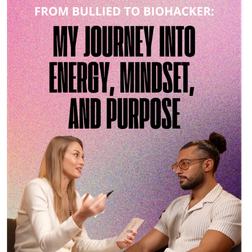
From Bullied to Biohacker: My Journey into Energy, Mindset, and Purpose
In this episode, I take the guest seat on Taylor Elizabeth’s Success Decoded to unpack my transformation-from being overweight and bullied to becoming a leader in the biohacking and longevity movement in Dubai. Together, we explore how self-mastery begins with awareness, discipline, and the courage to take the first step toward change. I reveal that real success is an inside-out process. It starts by taking ownership of every action and responsibility in life—a lesson rooted in the ancient Indian idea of karma (action). Through martial arts, I learned that discipline, resilience, and community can reshape identity far more powerfully than motivation alone. From there, my journey expanded to mindfulness, spirituality, and science-based biohacking. Taylor and I bridge ancient wisdom with modern neuroscience—showing how simple habits like conscious breathing, mindset reframing, and environmental awareness can rewire the brain, regulate emotions, and restore vitality. We discuss how happiness is not found in external comfort but cultivated through internal stillness and intentional living. I also demystify biohacking as “the art and science of upgrading your biology by upgrading your environment.” It’s not reserved for the rich or extreme—it’s about daily fundamentals: sleep, sunlight, movement, breath, and mindset. Whether it’s turning off EMF exposure, using light therapy, or optimizing sleep, these small changes create compounding results. We conclude that success, health, and happiness all depend on one ability—managing your energy. When passion and purpose align, work feels effortless, intuition sharpens, and your impact multiplies. Key Takeaways Ownership Creates Freedom – Taking full responsibility for your actions eliminates blame and puts you in control of every outcome. Move First, Mind Follows – Physical movement triggers mental clarity. Motivation doesn’t come before action—it follows it. Small, Consistent Habits Win – Real transformation comes from incremental daily rituals, not drastic overhauls. Your Environment Shapes You – Upgrade what surrounds and enters you—light, air, thoughts, food—and your biology follows. Master Your Mind to Master Life – Thoughts are electric signals shaping reality. Reframing how you think rewires how you live. 5 Practical Things You Can Start Doing Today Morning Breathwork (1 minute): 30 rapid inhales, hold for 10 seconds, exhale fully. Instant energy boost. Box Breathing (anytime stress hits): Inhale-hold-exhale-hold, each for 3 seconds. Calms the nervous system. Nighttime Breathing (for sleep): Inhale for 4 seconds, exhale for 8 seconds to activate rest mode. Digital Detox: Put your phone on airplane mode at night and reduce screen exposure after sunset. Gratitude Reflection: Each evening, list three moments where you owned your actions—it builds consciousness and intention. This conversation is a reminder that biohacking isn’t just about gadgets—it’s a philosophy of self-awareness and deliberate living. As I say in the episode, “Your mind, body, and spirit are layers of the same system. When you realign one, everything else follows.”
Day 9 – Sleep Deeper, Stress Less: Aromatherapy + EMF Hacks
Welcome to Day 9 of the Young with CJ program, where we’re turning your bedroom into a true sanctuary for sleep and recovery. In this episode, CJ unpacks two powerful (and often overlooked) sleep upgrades: aromatherapy and reducing EMF (electromagnetic field) exposure. These small, intentional shifts can dramatically improve your quality of sleep, stress levels, and even support fat loss—without the need for pills or gadgets. What You’ll Learn: Aromatherapy: More Than Just a Pleasant Scent Essential oils don’t just smell good—they interact directly with your limbic system, the part of your brain that regulates emotions, memory, and hormones. When used before bed, certain oils can calm your nervous system, reduce stress, and promote deeper sleep. CJ’s top essential oils for sleep and stress: Lavender – reduces anxiety, lowers heart rate Chamomile – calming, promotes relaxation Ylang Ylang – may reduce blood pressure and soothe tension Best ways to use: Add 5–10 drops in a diffuser Use pillow sprays or apply diluted oil to neck or feet Add essential oils to a warm bath before bed EMFs & Sleep: The Hidden Disturbance Your phone, Wi-Fi, and screens may be quietly disrupting your body’s melatonin production, increasing stress at the cellular level, and throwing off your circadian rhythm. CJ explains how EMFs: Disrupt your ability to fall asleep and stay asleep Lower cellular communication and hormone balance Trigger hunger, reduce fat-burning, and increase stress Simple solutions to reduce EMFs at night: Switch off your Wi-Fi before bed Keep devices at least 6 feet away from your bed Use airplane mode on your phone overnight Unplug electronics not in use Try CJ’s iPhone red light trick to reduce blue light exposure Key Takeaways: Scents influence your brain. Use calming oils to signal your body it's time to rest. EMFs sabotage melatonin. Less EMF = better sleep and hormone function. Your bedroom should be a recovery zone. Not a tech hub. Sleep drives fat loss and energy. Protect it like your most valuable asset. One new habit can reset your nights. Try one tonight and feel the difference. 5 Things You Can Start Doing Today: Use lavender or chamomile essential oil in a diffuser 30 minutes before bed. Switch your Wi-Fi off before you sleep. Put your phone on airplane mode and place it across the room. Unplug any electronic devices near your bed. Enable red light mode on your phone or use dim red lights in your bedroom. Final Thought: Better sleep isn’t complicated—it’s just often overlooked. Aromatherapy and EMF reduction are low-effort, high-impact tools to support your recovery, energy, and longevity. 🎧 Listen now on Spotify, Apple Podcasts, or YouTube.Tag @ShiftWithCJ and show us your nighttime aromatherapy setup or EMF-free zone.
Day 8: Did This Before Bed… and Got Stronger?
In this episode, CJ dives into the surprising impact of what you do just before bed—and how it can directly influence your strength, recovery, and overall performance. CJ shares a personal discovery from his 30-day experiment where each day he implements a small but powerful biohack. On Day 8, the focus is on how a deliberate nighttime protocol (including breathwork, slow training, and quality sleep routines) can significantly enhance strength and boost metabolic health. This isn’t just about working harder—it’s about working smarter with your body’s natural rhythms. Throughout the episode, CJ discusses: How super slow training activates muscle growth even in short time frames The science behind Tabata and why brief high-intensity bursts work The underrated power of parasympathetic breathing to promote deep rest Why your evening routine might be sabotaging your gains Real-world application: How he applied this routine and felt stronger the next day Key Takeaways: Muscle growth doesn’t happen during your workout—it happens while you rest. What you do before bed (mentally and physically) can determine recovery and performance. Super slow training increases time under tension, recruiting more muscle fibers—great for people short on time but wanting real results. Tabata is powerful for metabolic conditioning. A few minutes can outperform long cardio sessions if done right. Breathwork before sleep switches your nervous system from fight-or-flight to rest-and-digest, priming your body for growth and recovery. Consistency in evening rituals creates hormonal stability, improved strength, better insulin sensitivity, and deeper sleep quality. 5 Things You Can Start Doing Today to Improve Your Life: Incorporate slow strength training (e.g., 3–5 second eccentric and concentric movements) 2–3 times per week. Focus on control, not speed. Try Tabata training (4 minutes: 20 sec on, 10 sec off x8 rounds) for a metabolic boost. Just one session a day is enough. Do 5 minutes of deep diaphragmatic breathing before bed. Try 4-7-8 breathing (inhale 4 sec, hold 7 sec, exhale 8 sec) to shift into parasympathetic mode. Avoid screens and heavy food 90 minutes before sleep. Light, calm, and darkness help melatonin rise and improve recovery. Track your strength and recovery. Take note of your performance and sleep quality after implementing this protocol—data over drama. 💡 Your bedtime routine is a performance enhancer—master it, and you don’t just sleep better… you get stronger.
Day 7: Fix Your Body Clock, Burn More Fat
In Day 7 of the Shift with CJ program, CJ dives into two powerful (and often neglected) tools for total-body wellness: syncing your circadian rhythm and using foam rolling to improve recovery and release physical tension. He explains how aligning your eating and sleeping patterns with the sun’s natural cycle helps regulate hormones, burn fat more efficiently, and improve energy. Late-night meals? They confuse your biological clock and make weight loss harder. CJ also introduces foam rolling as a game-changing recovery practice. It reduces muscle soreness, improves mobility, boosts blood flow, and can be done at home. Whether you're an athlete or just dealing with daily tension, this episode gives you the tools to sync your body and reset your system. Key Takeaways: Your Circadian Rhythm Is a Metabolic Superpower Your body operates on an internal clock tied to sunlight. Eating and sleeping at the wrong times can sabotage fat loss and energy. Late-Night Eating = Hormone Disruption Eating after sunset confuses your hormones like leptin and ghrelin, leading to increased hunger and poor fat burning. Foam Rolling Is a Mini-Massage With Major Benefits It reduces soreness, improves blood flow, increases joint mobility, and speeds up recovery—without needing a masseuse. Sleep Timing Matters More Than You Think Going to bed and waking up at consistent times (yes, even on weekends) supports better metabolism and mental clarity. Body Awareness Unlocks Longevity Tracking your sleep, noticing how food timing affects energy, and paying attention to tight areas in your body builds long-term vitality. 5 Things You Can Start Doing Today: Eat Your Last Meal Before Sunset This aligns your digestion with your circadian rhythm and improves metabolic flexibility. Pick a Bedtime—And Stick to It Wake and sleep at the same time daily, even on weekends, to stabilize your energy and hormones. Keep a Sleep Diary Track what time you sleep, how you feel in the morning, and any patterns you notice. Awareness = optimization. Start Foam Rolling Daily Spend 1–2 minutes per muscle group. Focus on sore spots. Aim for 20–30 passes per area, especially after workouts or before bed. Take 1 Small Step Toward Routine Mastery Whether it’s shifting dinner time or adding foam rolling, choose one thing to improve—and build momentum. “You can’t cheat biology. Sync with the sun, roll out the stress, and build habits that’ll serve you in your 60s and 80s—not just today.”
Day 6: You’ve Been Ignoring the Most Powerful Biohack — Until Now
In today’s episode, CJ explores two often-overlooked yet powerful tools for transforming your health: daily movement and sunlight exposure. While many know that sunlight provides Vitamin D, CJ dives deeper into why it’s actually essential, not optional, and how it acts as a natural biohack to balance hormones, improve mood, enhance metabolism, and reset your circadian rhythm. He also encourages incorporating movement, not just for physical benefits, but for mental clarity and momentum. This episode blends ancient wisdom with modern science, wrapped up with a simple action plan. Key Takeaways: Sunlight Is Essential, Not Optional Most people in sunny places like Dubai are still Vitamin D deficient because they avoid the sun. Just 10–15 minutes of daily sunlight can radically improve your health. You Are a Solar Being Every living organism on Earth is solar-powered in a way. Like a solar panel, your body needs sunlight to function optimally—from hormone regulation to fat-burning. Sunlight Boosts Mood and Sleep Exposure to morning light increases serotonin (your “feel-good” hormone) and aligns your circadian rhythm, helping you sleep deeper and fall asleep faster. Movement + Light = Double Win Combining physical activity with sunlight—like walking or working out outdoors—is a compound health booster. It also activates brown fat, which helps burn calories more efficiently. Consistency Beats Intensity Whether it's movement or sunlight, showing up daily in small ways compounds into massive benefits over time. Momentum is the real magic. 5 Things You Can Start Doing Today: Morning Sunlight Ritual Go for a 10–15 minute walk outside right after waking up. This is the best way to reset your internal clock and kickstart serotonin production. Outdoor Workouts Whenever possible, move your workout sessions outdoors—even if it's just stretching or walking. You’ll get both the movement and light benefits. Midday Light Breaks If you work indoors, take short breaks outside during daylight—no smoking, just soaking. Step outside, breathe, and let your body recharge. Evening Journaling Reflect on your workout: What did you enjoy? What challenged you? How did sunlight make you feel? Journaling brings awareness and boosts motivation. Focus on Daily Momentum Choose one tiny habit to build tomorrow—whether it’s 5 pushups or 5 minutes outside. Keep the momentum going. Small wins create big change. Stay young. Stay curious. See you on Day 7.
Week 1 Review: I Did THIS for 5 Days… Here’s What Changed
In this special Week 1 Review episode of Shift with CJ, CJ takes a moment to reflect, laugh, and celebrate everything we’ve tackled during the first five days of the Young with CJ program. From fitness and fasting to sleep and movement habits, this isn’t just a recap—it’s a reset and recharge to carry momentum into Week 2. If you've been trying to build healthier habits and felt a shift in your body or mindset already, this episode is your checkpoint. What You’ll Learn: Reflection > Perfection CJ reminds us that showing up—even imperfectly—is what creates transformation. You don’t need to tick every box. You just need to stay in the game. Your ‘Why’ Still Matters Dig deep and reconnect with your purpose. Are you here to feel more energy? To live longer? To be there for your kids? Knowing your “why” is what will carry you through the next phase. The Foundational Habits That Build Momentum: Getting 5,000 steps daily Eating hand-sized portions Working out at least 3 times Trying sleep-inducing foods (like kiwi or fatty fish) Avoiding sleep disruptors (spicy food, alcohol) Reducing inflammation Moving every hour (even with stretch breaks) Practicing intermittent fasting (even just 10-12 hours) Sipping bulletproof coffee Trying contrast therapy (hot + cold exposure) Key Takeaways: Progress isn’t linear—but momentum is real. Even if you only did a few of the steps, you’re moving forward. You don’t have to be perfect. The transformation comes from showing up consistently, not from doing it all flawlessly. Reflection builds awareness. Reviewing your week gives you clarity on what’s working and what needs tweaking. Your “why” is your anchor. Rewriting habits is easier when you’re emotionally connected to the reason behind them. Small actions lead to big identity shifts. One cup of bulletproof coffee or one cold shower might seem small—but they stack up over time. 5 Things You Can Start Doing Today: Write down your “why.” Keep it somewhere visible—fridge, mirror, laptop—to stay connected to your purpose. Check off what you accomplished from Week 1. Celebrate the wins, even the tiny ones. Pick 1 new goal for Week 2. Choose something achievable—like walking 6,000 steps or doing your first cold shower. Reflect on what made you feel better this week. Was it fasting? Stretching? Better sleep? Lock it in. Take a rest day—without guilt. Your body needs recovery too. But don’t sabotage it with junk food or self-judgment. Rest smart. Final Thought: You’re building the life you want—one decision at a time. Don’t quit just because it’s slow. Keep stacking small wins, and they’ll become your new normal.
Day 5: Why Intermittent Fasting + Coffee is a Game Changer
In Day 5 of the Shift with CJ podcast, CJ dives into a powerful trio that can transform your metabolism, energy, and mental clarity: intermittent fasting, fatty (bulletproof) coffee, and contrast therapy. Whether you're trying to lose weight, boost productivity, or build a resilient body and mind, these practices offer a high return on minimal time investment. This episode ties ancient wisdom with modern biohacking, giving you simple, practical tools to shift your physiology in just a few steps. What You’ll Learn: Why Intermittent Fasting Works CJ breaks down fasting into simple terms. Women can benefit from a 10–14 hour window, while men can go up to 16 hours. And it’s easier than it sounds—because you’re asleep for most of it. The real takeaway? Start small and build from there. Fasting resets your metabolism, improves hormone sensitivity, and accelerates fat loss. Fatty Coffee: The Hunger Blocker CJ introduces his go-to morning energy hack—bulletproof coffee—a blend of high-quality coffee, butter or ghee, and MCT oil. This drink slows down caffeine absorption, suppresses hunger, and helps produce ketones, which support fat-burning. It’s ideal during fasting windows and boosts mental clarity without a crash. Contrast Therapy: Cold + Heat = Magic Learn why alternating between hot and cold (sauna + cold plunge or shower cycles) can speed up recovery, reduce inflammation, improve circulation, and even support fat loss by converting white fat into metabolically active brown fat. Bonus: it increases dopamine and builds mental resilience. Key Takeaways: Fasting isn’t deprivation—it’s restoration. Start with a 12-hour window and build up gradually. Bulletproof coffee isn’t just trendy—it’s functional. The fats stabilize energy, kill cravings, and support ketosis during fasting. Hot-cold therapy is underrated. It boosts mitochondria, circulation, and mental strength. Biohacking isn’t new. Fasting and exposure to temperature extremes have been part of human evolution forever. Experiment and listen to your body. What matters is how you feel, not how perfect your protocol looks. 5 Things You Can Start Doing Today: Begin with a 12-hour fast tonight. For example, finish dinner at 8 PM and have your first meal at 8 AM. Make your first cup of bulletproof coffee. Blend quality coffee with 1 tbsp butter/ghee + 1 tbsp MCT or coconut oil. Try a contrast shower. Start with 30 seconds warm, then 20 seconds cold. Repeat 5 rounds. Reflect on your energy and hunger. Track how your body responds to fasting and coffee with a quick journal or voice note. If available, explore sauna and cold plunge sessions. Just twice a week can have major benefits for recovery and mood. Final Thought: You don’t need extreme diets or expensive supplements to transform your health. Sometimes, all it takes is skipping a meal, drinking a better cup of coffee, and braving a cold shower.
1 de 20