You Can Do Hard Things

You Can Do Hard Things

por Jenny Melling
Temporada 3
I Don’t Have a Choice. I Have to Do It. She Depends on Me | Cancer, Caring & Surviving the Hardest Years - Claire Wynne’s story
What is it really like to be a full-time carer? How do you cope when breast cancer comes back? And how do you keep going when somebody you love depends on you? In this episode of You Can Do Hard Things with Jenny Melling, Jenny talks to Claire Wynne about a life that has repeatedly forced her to find the strength to carry on. Claire's daughter Chloe has autism, a learning disability and epilepsy and requires 24-hour care. Claire talks honestly about caring for an adult child with additional needs, carer burnout and exhaustion, the guilt of needing respite care and the question many parents in her position fear: what will happen to my disabled child when I'm no longer able to care for them? Claire also shares what it was like having a premature baby at 29 weeks, when her son Bradley spent nine weeks in special care, and the fear she experienced when it was finally time to bring him home. She talks about experiencing domestic abuse, leaving an abusive relationship with two young children and becoming a single mum. Then, around the age of 30, Claire discovered a lump in her breast. It was breast cancer. Claire underwent surgery, chemotherapy and radiotherapy while continuing to care for her children. She talks candidly about what chemotherapy actually feels like, losing her hair during chemotherapy and why finishing cancer treatment didn't mean that cancer suddenly felt “over”. After years of clear mammograms, 18 years after her original breast cancer diagnosis, Claire was told the cancer had returned. What is it like to hear “the cancer's back” after almost two decades? How do you cope with the fear of cancer recurrence? And how do you find the strength to face treatment again? Claire also talks about losing her brother Darren to cancer, grief, family and the reality of carrying on when life doesn't stop to give you time to recover. This is an honest conversation about: • Breast cancer and breast cancer recurrence • Cancer returning after 18 years • Chemotherapy, radiotherapy and hair loss • Life after cancer treatment • Caring for an adult child with autism and learning disabilities • Being a full-time, 24-hour carer • Carer burnout and respite care • Autism, learning disability and epilepsy • Premature birth at 29 weeks and neonatal care • Domestic abuse and becoming a single mum • Losing a sibling to cancer and coping with grief • Resilience and how to keep going when life feels too hard When Jenny asks Claire what has enabled her to keep going through everything she's faced, her answer is simple: “I don't have a choice. I have to do it.” 🎙️ You Can Do Hard Things with Jenny Melling is a podcast about resilience, adversity and the real stories behind how people survive life's hardest moments. Follow or subscribe so you don't miss future episodes, and if Claire's story resonates with you, please leave a rating or review and share the episode. If you've been through something difficult and would like to tell your story, or know somebody who should be a guest on You Can Do Hard Things, get in touch.
Temporada 2
Laura Pond (Part 2) | PTSD, Grief, Losing a Parent, Arginine Vasopressin Deficiency (Diabetes Insipidus), Rare Medical Conditions, Trauma, Mental Health, Policing, Organising a Funeral, Resilience & Learning How to Carry On

🎙️ Episode Description In Part 2 of my conversation with former Metropolitan Police detective Laura Pond, we pick up where Part 1 ended, talking honestly about what policing is really like and the emotional toll it can take on those behind the uniform. From there, the conversation becomes deeply personal. Laura shares her experience of living with PTSD, the invisible impact of trauma, and the long road to being diagnosed with Arginine Vasopressin Deficiency (formerly known as Diabetes Insipidus), a rare condition that left her drinking up to 30 litres of water a day before finally getting answers. She also opens up about one of the hardest chapters of her life: losing her dad, becoming the person responsible for everything as an only child, supporting her mum through illness, and learning how to keep moving forward when life changes forever. Despite the difficult subjects, this conversation is full of warmth, humour and honesty. It's a reminder that resilience isn't about never struggling. It's about finding a way through, one step at a time. If you haven't already listened to Part 1, I'd highly recommend starting there to hear Laura's remarkable policing career and the experiences that shaped everything we discuss in this episode. In this episode we discuss: • What policing is really like behind the scenes • PTSD and recognising the signs • The emotional impact of trauma • Living with Arginine Vasopressin Deficiency (formerly Diabetes Insipidus) • Receiving a rare medical diagnosis • Losing a parent • Organising a funeral • Grief, resilience and learning to carry on You Can Do Hard Things is a podcast about resilience, extraordinary lives and the people behind the stories. Every conversation is a reminder that even when life feels impossible, we are often stronger than we realise.
Inside the Met Police: The Stories Officers Rarely Get the Chance to Share | Laura Pond (Part 1)
What is it really like to spend almost 20 years policing London? In Part 1 of this conversation, I sit down with one of my closest friends and former Metropolitan Police colleague, Laura Pond. From the outside, policing is often reduced to headlines and headlines rarely tell the full story. Together we look back on our time in the Met, talking honestly about Hendon training school, response policing, becoming detectives, Counter Terrorism, Professional Standards, major incidents and the unseen pressures that come with wearing the uniform. Laura shares how she nearly never joined the police because of anxiety, how putting on the uniform transformed her confidence, and how she went on to work in Counter Terrorism, helping improve the UK's response to victims following the Tunisia terrorist attack. This isn't a conversation about sensational stories. It's about the people behind the badge. It's about responsibility, resilience, friendship, humour, and the things police officers rarely get the opportunity to talk about once the cameras are off. Whether you've worked in policing, know someone who has, or you've simply wondered what life inside the Met is really like, I hope this conversation gives you a perspective you may never have heard before. In this episode we discuss: • Joining the Metropolitan Police • Hendon Police Training School • Life on response policing • Becoming a detective • Counter Terrorism Command • The Tunisia terrorist attack • Professional Standards (DPS) • War crimes investigations • Public perception of policing • Why good officers leave If you enjoy honest conversations about resilience, leadership and the experiences that shape us, please follow You Can Do Hard Things wherever you listen to your podcasts. Part 2 is coming soon... and trust me, you won't want to miss it.
Holly's Story: Meningitis, Memory Loss, Grief, a Psychic Medium & Learning to Live Again (Part 2)
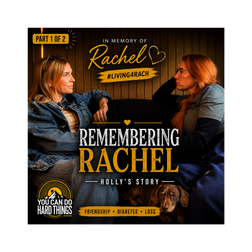
What are the warning signs of meningitis? Can meningitis cause memory loss, brain fog and speech problems years later? How quickly can meningitis become life-threatening? In Part 2 of my conversation with Holly, we explore the life-changing impact of meningitis, grief and survival. Holly shares her terrifying experience of developing meningococcal meningitis, from repeatedly collapsing at Stansted Airport to being rushed to hospital after a meningitis rash appeared and ultimately helped save her life. She opens up about the symptoms she experienced, the treatment that followed, and the lasting effects she continues to live with today, including memory problems, speech difficulties and brain fog. We also discuss the devastating loss of her best friend Rachel, the mental health battles that followed, moments when Holly questioned whether she wanted to carry on, and an unexpected visit to a psychic medium that left her questioning everything. This is a raw, honest and emotional conversation about trauma, resilience, loss and finding a way forward when life changes forever. Topics covered: • Meningococcal meningitis • The early warning signs of meningitis • The meningitis rash • Long-term effects of meningitis • Memory loss, speech difficulties and brain fog • Mental health and suicidal thoughts • Grief and losing a best friend • A psychic medium and unexplained experiences • Type 1 diabetes awareness • Living4Rach If sharing Holly's story helps just one person recognise the signs of meningitis sooner, this conversation was worth having.
Holly shares the story of her best friend Rachel, their 20-year friendship, her journey with Type 1 Diabetes, and the devastating loss that changed everything. A powerful conversation shared in memory of Rachel and support of #Living4Rach.
Part 1 of 2 Rachel was Holly's best friend for over 20 years. In this deeply personal episode of You Can Do Hard Things, Holly shares Rachel's story. From growing up with Type 1 Diabetes, through years of health challenges, to the devastating phone call that changed everything. Together we discuss the realities of living with Type 1 Diabetes, the impact of Diabulimia, DKA, Charcot Foot, friendship, family support, and the strength it takes to keep going when life feels impossible. More than anything, this is a story about friendship, resilience and remembering someone who meant the world to those around her. This episode is shared in memory of Rachel and in support of #Living4Rach, helping to raise awareness of Type 1 Diabetes, Diabulimia and the importance of education and understanding. In this episode: • Rachel and Holly's friendship spanning more than 20 years • Growing up with Type 1 Diabetes • The hidden reality of Diabulimia • DKA and repeated hospital admissions • Charcot Foot, sepsis and the threat of amputation • Relationships, family support and finding hope • Pregnancy, future plans and new beginnings • The heartbreaking phone call that changed everything This is Part 1 of a two-part conversation. In Part 2, Holly shares her own incredible story of surviving meningitis, nearly losing her life, and how both experiences changed her perspective forever. 💙 In memory of Rachel 💙 #Living4Rach You Can Do Hard Things is a podcast sharing real stories of resilience, adversity and ordinary people overcoming extraordinary challenges.
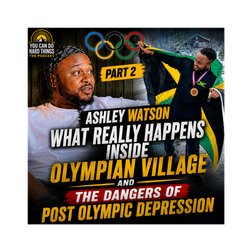
Ashley Watson: Inside The Olympic Village, Jamaica Bobsleigh & Post Olympic Depression | Part 2/2
Ashley Watson returns for Part 2 of this powerful conversation on You Can Do Hard Things. From representing Jamaica at the Winter Olympics to the reality of life inside the Olympic Village, Ashley opens up about the moments most people never hear about. We discuss: What REALLY happens inside the Olympic Village The pressure of competing on the world stage Jamaica’s bobsleigh journey and the Cool Runnings comparisons Media attention and representing a country The emotional comedown after the Olympics Post Olympic depression and identity loss Athlete mindset, resilience and discipline Building success beyond sport Ashley also shares stories about Olympic parties, elite athlete culture, travelling to Beijing 2022 and the hidden side of chasing a lifelong dream. This is an honest conversation about ambition, sacrifice, mental health and what happens after achieving the thing you thought would change your life forever. 🎧 Available on Spotify, Apple Podcasts and wherever you get your podcasts. #AshleyWatson #Olympics #OlympicVillage #JamaicaBobsleigh #PostOlympicDepression #YouCanDoHardThings
Ashley Watson: From Peterborough United Rejection to the Jamaican Bobsleigh Team at Beijing 2022
In this episode of You Can Do Hard Things, Jenny Melling sits down with Ashley Watson, Olympian, British athlete and member of the Jamaican Bobsleigh Team at Beijing 2022. Ashley shares the real story behind his Olympic journey, from growing up in Peterborough and chasing football dreams with Peterborough United and Norwich City, to the disappointment of rejection, moving into athletics, discovering bobsleigh and eventually representing Jamaica on the Olympic stage. The conversation explores resilience, identity, self-coaching, sacrifice and what it really takes to keep going when the obvious route doesn’t work out. We also talk about the reality behind the famous Cool Runnings image of Jamaican bobsleigh, and what life in the sport actually looks like behind the scenes. Please forgive the audio issues that kick is part way through - if anyone can fix it - holla at me! In Part 1: Football trials with Peterborough United and Norwich City Being released as a young footballer Sprinting and athletics ambitions Discovering bobsleigh almost by accident GB Bobsleigh and Olympic qualification Funding struggles in elite sport Balancing training, business and a Masters degree Why representing Jamaica meant so much Hosted by Jenny Melling. Podcast: You Can Do Hard Things Part 2 coming soon - want to know what really happens in the Olympic Village? Best subscribe so you dont miss out!
I RAN TOWARDS IT!!! Tom Gray on the London Bridge Terror Attack, The Summit UK & Regret Part 2/2
He didn’t run away… he ran towards it. In Part 2, Tom Gray (That Guy Gray) opens up about being at the centre of the London Bridge terror attack in November 2019, where he was one of the people who helped stop the attacker. But this isn’t just about that day. It’s about what it says about you when everything kicks off. How you process it. And how life just carries on afterwards. We also get into something very real between us… After I cut Tom’s future short on The Summit, can you actually build a genuine bond after something like that? Does he blame me? And the question I had to ask — do I regret it… and am I sorry? In this episode, we talk about: Tom Gray’s first-hand experience of the London Bridge attack Why he ran towards danger What happened in those moments on the bridge How he processed it afterwards Why he never wanted to use it for attention or “clout” The reality of being recognised as “That Guy Gray” Whether there’s any bad blood after The Summit Regret, decisions and living with the choices you make Dealing with pressure, failure and self-worth Why happiness isn’t always what we think it is This is Part 2 — if you haven’t seen Part 1 yet, go back and watch it first. There’s more coming as well. I genuinely appreciate every single person who watches, listens, shares or messages me about these. I do this because I love it — and because I hope these conversations resonate, make you think, or help you feel a bit less alone. At the end of the day, we’re all just people. And something someone said to me recently really stuck: You are your superpower. No one else can be you. So own it, be proud of it, and live your life — your truth. #TomGray #ThatGuyGray #LondonBridgeAttack #LondonBridge #YouCanDoHardThings #TheSummitUK #Resilience #Mindset #PodcastInterview #MentalHealth #SelfWorth #TrueStory #UKPodcast #RealTalk
Tom Gray Opens Up: The Summit UK, That Guy Gray, Imposter Syndrome & “As You Were” | You Can Do Hard Things Podcast by Jenny Melling - Part 1/2
Thomas Gray, also known online as That Guy Gray, joins me for Part 1 of our You Can Do Hard Things conversation. You might know him from The Summit UK, his viral “As You Were” videos, his automotive content, or his very impressive moustache… but this episode goes far beyond the online persona. In this first part, Tom talks openly about where That Guy Gray came from, how “As You Were” became his signature phrase, building a following of around 800,000 people, imposter syndrome, mental health content, self-doubt, relationships, dating apps, and what really happened during his time on The Summit UK. We also get into the behind-the-scenes reality of The Summit, including the first challenge, the edit, the cast dynamics, Dockers, Patrick’s lack of screen time, Tom’s fear of heights, and the moment he knew he was probably going home. This is funny, honest, awkward in places, and properly human.
Temporada 1
Joel Fearon: The Real Story Behind The Summit, Olympic Sport, ADHD, Grief & Finding Purpose
What happens when the person who's always supposed to save the day… can't? In this powerful episode of You Can Do Hard Things, I sit down with Joel Fearon. Olympian, Team GB athlete, one of Britain's fastest sprinters, and a contestant on BBC's The Summit UK. What started as a conversation about reality TV quickly became one of the most honest and emotional discussions I've had on the podcast. Joel is often seen as someone who stays strong under pressure. But behind the medals, elite sport and television appearances is a story of loss, identity, resilience and the constant search for purpose. We explore what really drives high performers, why success doesn't always bring happiness, and how growing up with ADHD and dyslexia shaped Joel's determination to prove himself. Joel also shares the devastating story of losing his sister, the guilt he still carries, and the moment he realised he couldn't "save the day". A moment that completely changed the way he sees himself, his family and his future. Along the way, we also lift the lid on what really happened behind the scenes of The Summit UK, discussing the cast, the friendships, the strategy, the votes and how everyone's relationships changed once filming ended. In this episode we discuss: • What it's really like to compete as an Olympian and Team GB athlete • Life as one of Britain's fastest sprinters • The pressure of always being "the strong one" • Growing up with ADHD and dyslexia • Losing his sister and the guilt that still follows • Survivor's guilt and learning to live with grief • Why success never quite feels like enough • The reality behind elite sport and chasing validation • What happens when your identity is built on being needed • Finding purpose after trauma • Mental resilience and overcoming adversity • The truth about life behind the scenes of The Summit UK • Trust, friendships, strategy and difficult decisions on reality TV • The lessons Joel has learned from sport, loss and life This is a conversation about resilience, purpose, grief, identity and what it really means to keep moving forward when life doesn't go to plan. It's raw, honest and, at times, uncomfortable... but it's exactly what You Can Do Hard Things is all about. If you enjoy conversations about resilience, mental health, elite sport, personal growth, ADHD, grief, Olympic athletes, reality TV and extraordinary life stories, make sure you follow You Can Do Hard Things for new episodes
1 de 2