Hamari Sanskriti Hamari Virasat

Hamari Sanskriti Hamari Virasat

por Sawan Namdeo
Temporada 6
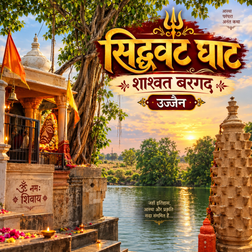
सिद्धवट घाट | शाश्वत बरगद | उज्जैन
IA
The podcast highlights the Siddhavat, a sacred banyan tree in Ujjain situated along the banks of the Shipra River. According to the Skanda Purana, the goddess Parvati planted this ancient tree, which serves as a vital pilgrimage site for attaining spiritual liberation and honoring ancestors. It is recognized as one of the four most significant banyan trees in India, alongside those in Prayag, Gaya, and Vrindavan. Devotees visit the site to perform rituals for wealth, lineage, and salvation, believing that offerings made here directly benefit the souls of the deceased. Despite historical attempts to destroy it during the Mughal era, the tree remains a powerful symbol of divine endurance and religious faith. Today, it continues to be a primary destination for Kalsarp Shanti prayers and traditional funeral rites.
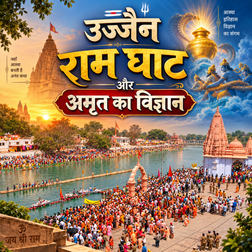
राम घाट और अमृत का विज्ञान | उज्जैन
IA
This podcast details the profound religious and historical legacy of Ram Ghat, a celebrated bathing site on the banks of the Shipra River in Ujjain. According to ancient scriptures, this location is exceptionally sacred because drops of divine nectar fell here during the celestial churning of the ocean. The site is named after Lord Rama, who is believed to have performed ancestral rites and offerings at this riverbank during his exile. As a central hub for the Simhastha Kumbh Mela, the ghat attracts millions of pilgrims who seek spiritual purification through ritual baths and the mesmerizing evening Aarti ceremonies. Beyond its primary temples, the area is a vital center for Vedic rituals, ancestral worship, and cultural tourism, providing a serene environment for meditation and devotion. Ultimately, the sources portray Ram Ghat as an essential spiritual landmark where ancient myths and modern worship intersect to offer a path toward salvation.
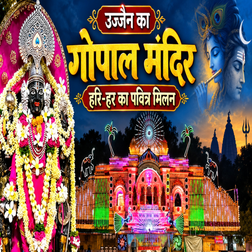
उज्जैन का गोपाल मंदिर हरि-हर का पवित्र मिलन | उज्जैन
IA
This podcast details the historical and religious significance of the Gopal Temple in Ujjain, a prominent pilgrimage site dedicated to Lord Krishna. Commissioned by Maharani Baija Bai Scindia in the mid-19th century, the structure is celebrated for its fusion of Maratha and Rajput architecture, featuring intricate carvings and a historic silver door with links to the Somnath Temple. The temple serves as the spiritual epicenter for the Hari-Hara Milanam, an annual festival symbolizing the union of Lord Shiva and Lord Vishnu. Beyond its aesthetic beauty, the source emphasizes the temple's role as a sanctuary of peace within a bustling urban market and its accessibility to devotees via various transport routes. Ultimately, the text illustrates the temple's enduring legacy as the second-largest shrine in the city and a vital hub for Hindu traditions and festivities.
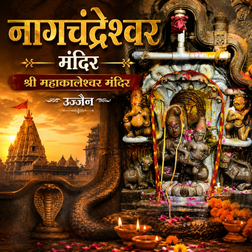
नागचंद्रेश्वर मंदिर | श्री महाकालेश्वर मंदिर | उज्जैन

IA
The Nagchandreshwar Temple in Ujjain, situated on the third floor of the famous Mahakaleshwar complex, is a unique spiritual site dedicated to a rare depiction of the Shiva family seated upon a multi-headed serpent throne. This sacred shrine is distinguished by its strict accessibility, as it remains closed to the public for nearly the entire year to honor the solitary meditation of the serpent king, Takshak. Its doors open for only twenty-four hours during the festival of Nag Panchami, a tradition rooted in ancient legends of penance and divine boons. Originally constructed by King Bhoj in the 11th century and later restored by the Scindia dynasty, the temple houses a distinctive statue believed to have been brought from Nepal. Devotees flock to this site during its brief opening to seek relief from astrological afflictions and to witness the extraordinary union of lunar and serpentine symbolism. Specific ritualistic prayers are conducted throughout the day by monks and government officials to maintain a legacy that blends history, myth, and deep devotion.
श्मशान के दसभुजा गणेश और उल्टी परिक्रमा | उज्जैन
IA
This podcast highlights a unique religious landmark in Ujjain, India, known as the Ten-Armed Ganesh Temple located within the Chakratirth cremation grounds. This sacred site is distinguished by a rare idol of Lord Ganesh featuring ten limbs while cradling his daughter, Santoshi Mata, a depiction seldom seen in traditional iconography. Local tradition suggests that the deity possesses immense spiritual power, drawing devotees and tantric practitioners from across the globe to seek blessings for marriage, prosperity, and success. Visitors participate in a specific ritual involving counter-clockwise circumambulation or drawing inverted symbols to signify a pending request, which is later corrected once their prayers are answered. Furthermore, the temple's history is linked to the planet Mars, as ancient scriptures claim the celestial body performed extensive penance at this very location. Overall, the source illustrates the temple's significance as a global center for faith and a vital component of Ujjain’s mystical heritage.
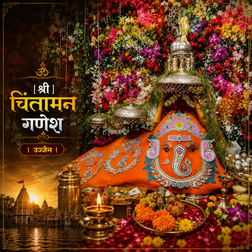
श्री चिंतामण गणेश मंदिर, उज्जैन | एक मनोवैज्ञानिक आश्रय
IA
This podcast outlines the spiritual and historical significance of the Chintaman Ganesh Temple located in Ujjain, Madhya Pradesh. This ancient site is distinguished by the presence of three divine forms of Lord Ganesh—Chintaman, Ichhaman, and Siddhivinayak—which are believed to alleviate worries and fulfill the desires of devotees. Historically, the temple is linked to the Treta Yuga and the travels of Lord Rama, while its current structure is credited to the Maratha queen Ahilyabai Holkar. Visitors engage in unique traditions such as drawing swastikas and tying sacred threads to seek blessings for success and marriage. The source also serves as a practical guide, detailing daily prayer schedules, major festivals like Jatra Mahaparva, and transportation logistics for pilgrims.
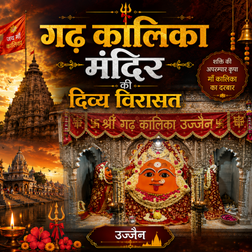
गढ़ कालिका मंदिर की दिव्य विरासत | उज्जैन
IA
This podcast explores the historical and spiritual significance of the Gadkalika Temple located in Ujjain, Madhya Pradesh. This ancient site is famously associated with the legendary poet Kalidasa, who is said to have gained his literary brilliance through his devotion to the goddess here. Archaeological findings and various historical accounts link the temple's origins to the Mahabharata era, with later renovations attributed to figures like Emperor Harshavardhan and the Scindia dynasty. Beyond its architectural history, the temple is renowned for its unique religious rituals, including a pre-dawn aarti where the deity is believed to take a child-like form. Devotees frequently visit to offer traditional foods and witness the lighting of the iconic 108-lamp pillar during sacred festivals. Ultimately, the source highlights the temple's enduring role as a vital cultural landmark that bridges ancient mythology with modern worship.
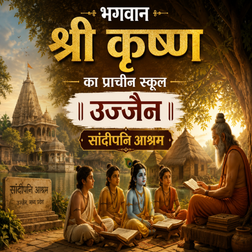
भगवान श्री कृष्ण का प्राचीन स्कूल उज्जैन | सांदीपनि आश्रम
IA
Sandeepani Ashram located in Ujjain along the banks of the Shipra River, the Sandeepani Ashram is a historic spiritual center where Lord Krishna, Balarama, and Sudama received their education from Sage Sandeepani. These sources highlight the site's role as a traditional Gurukul, detailing how Krishna famously mastered 64 arts and sciences in just 64 days. Key landmarks within the complex include the Gomti Kund, a sacred water tank created by Krishna for his teacher, and the Sarveshwar Mahadev Temple, which houses an ancient lingam. Visitors can also view the Ankpat, a stone inscribed with numerals used for teaching mathematics in antiquity. Today, the ashram remains a vital pilgrimage destination, symbolizing the sacred bond between teacher and student and the enduring legacy of Vedic learning.
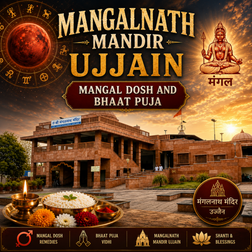
मंगलनाथ मंदिर उज्जैन: मंगल दोष और भात पूजा
IA
This podcast center on the Mangalnath Mandir in Ujjain, an ancient Hindu temple recognized as the birthplace of Mars according to the Matsya Purana. These sources explain that the deity emerged from Lord Shiva’s perspiration during a legendary battle, which reportedly left the surrounding earth with its distinct red soil. Visitors travel to this sacred site on the banks of the Shipra River to participate in specialized rituals like Mangal Dosh Puja and Bhaat Puja. These ceremonies are designed to mitigate the astrological afflictions of Mars, which believers suggest can cause marital delays, health issues, and professional setbacks. Beyond physical visits, the temple facilitates spiritual connection through online puja bookings and consultations with expert priests. Together, the articles highlight the temple's role as a vital destination for those seeking planetary peace and divine intervention.
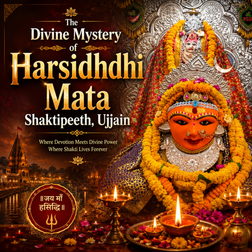
हरसिद्धि माता शक्तिपीठ का दिव्य रहस्य | उज्जैन
IA
This podcast describes the Harsidhdhi Mata Mandir in Ujjain, recognized as one of the 51 sacred Shakti Peethas where the elbow of Goddess Sati is said to have fallen. This holy site is famously associated with King Vikramaditya, who reportedly performed extreme acts of devotion here, and it features a unique shrine housing the deities Annapurna, Harsidhdhi, and Kalka. A defining architectural feature of the temple is the pair of 51-foot lamp towers that hold over a thousand diyas, creating a spectacular display during festivals. The sources explain the mythological origins of the Goddess’s name, attributed to Lord Shiva, and highlight the temple’s spiritual importance as a protector of the city. Visitors frequently engage in special rituals, such as reverse circumambulations, to seek divine intervention for their personal wishes. Ultimately, the text portrays the temple as a transformative spiritual landmark that blends Maratha-style architecture with profound Vedic traditions.
1 de 4