The Warehouse Never Lies Podcast

The Warehouse Never Lies Podcast

por James Goldman
Temporada 1
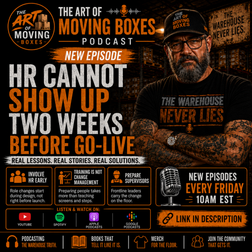
HR cannot show up two weeks before go-live
HR cannot show up two weeks before go-live and expect to influence the outcome. By that point, the operating model is already taking shape. Roles have been defined. Training plans are underway. Shift structures, staffing assumptions, leadership expectations, and change impacts are already affecting the people who will have to make the new system work. In this episode of The Warehouse Never Lies, we talk about why HR needs to be involved much earlier in a WMS implementation—and why treating people, training, communication, and organizational change as late-stage activities creates unnecessary risk. A successful go-live is not just a technology event. It is an operational change that affects how people work, how leaders lead, and how the warehouse executes every day. If HR enters the project two weeks before go-live, they are not helping design the change. They are reacting to it. The warehouse never lies. And when the people side of an implementation is ignored until the end, the floor usually exposes it quickly. In this episode: Why HR belongs in the project early The people impacts that begin long before go-live Why training alone is not change management How staffing, roles, leadership, and communication affect readiness What happens when organizations treat go-live as an IT event instead of a business transformation The goal is simple: identify the people risks early enough to actually do something about them—and pay forward the lessons that can help the next generation of warehouse and supply chain leaders avoid repeating the same mistakes. The Art of Moving Boxes Real lessons. Real operations. Real results. All books, videos, podcast episodes, merchandise, and resources: https://linktr.ee/theartofmovingboxes Keep them moving.
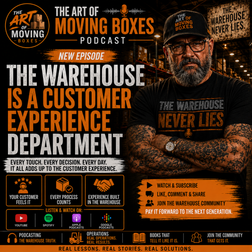
The Warehouse Is a Customer Experience Department
The Warehouse Is a Customer Experience Department Most companies think of the warehouse as operations, fulfillment, distribution, or a cost center. But the customer experiences the warehouse with every order. They experience whether the right product arrives. They experience whether it arrives on time. They experience whether it is complete. They experience whether it is damaged. And they experience whether your company delivered what it promised. That makes the warehouse a customer experience department, whether leadership recognizes it or not. In this episode of The Art of Moving Boxes, James Goldman breaks down how warehouse execution directly affects customer trust, service, brand reputation, and repeat business. We talk about: Why warehouse mistakes become customer experience problems How inventory accuracy becomes a customer promise Why packing is part of the brand How picking, replenishment, and shipping affect service Why WMS decisions become customer-facing decisions How frontline warehouse employees serve customers without ever meeting them Why leadership should stop treating the warehouse as only a cost center How strong warehouse execution protects revenue and customer relationships The customer may never see your warehouse. But they feel it every time an order arrives. You are not just moving boxes. You are delivering promises. Watch, Listen, and Join the Conversation Subscribe to The Art of Moving Boxes for real-world conversations about warehouse operations, WMS, logistics, supply chain, leadership, and implementation. Watch on YouTube: https://www.youtube.com/@TheArtofMovingBoxes Like the episode, leave a comment, and share it with someone in warehouse operations, logistics, or supply chain. Question for the comments: Do companies give the warehouse enough credit for its impact on customer experience? Need Help With Your Warehouse or WMS? JGA Warehouse Systems Advisory Group helps organizations improve warehouse execution, reduce WMS implementation risk, and lead projects from strategy through stabilization. https://www.jgawms.com Books & Resources The Art of Moving Boxes https://www.goldmanwms.com/moving-boxes The Warehouse Never Lies https://www.goldmanwms.com/the-warehouse-never-lies Merch The Art of Moving Boxes Shop https://the-art-of-moving-boxes-shop.fourthwall.com/ Use code WELCOME26 for 20% off. All Links Books, podcast episodes, merchandise, videos, resources, and community: https://linktr.ee/theartofmovingboxes Subscribe. Watch. Listen. Comment. Share. Help pay real-world warehouse knowledge forward to the next generation. Real lessons. Real operations. Real results. The warehouse never lies.
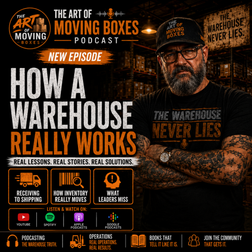
How a Warehouse Really Works
How a Warehouse Really Works Most people see a warehouse as racks, forklifts, boxes, and people moving product. But a warehouse is much more than that. It is a connected operating system. Receiving affects inventory. Inventory affects replenishment. Replenishment affects picking. Picking affects packing. Packing affects shipping. And every decision inside the building eventually affects the customer. In this episode of The Art of Moving Boxes, James Goldman breaks down how a warehouse really works from the inside out. This is not a textbook explanation. This is a practical look at the flow of product, information, labor, systems, and decisions that keep a warehouse moving. In this episode: How receiving impacts everything downstream Why inventory accuracy matters across the operation How replenishment can make or break picking Why picking problems often start somewhere else How packing and shipping expose upstream mistakes Why WMS decisions have real operational consequences How labor, process, and technology must work together What leaders miss when they only look at dashboards Why exceptions and workarounds tell you where the real problems are The warehouse is not a collection of separate departments. It is one connected system. And when one part breaks, the impact rarely stays in one place. Watch, Listen, and Join the Conversation If you work in warehouse operations, WMS, logistics, supply chain, consulting, or leadership, subscribe to The Art of Moving Boxes for more real-world lessons from the floor. Watch on YouTube: https://www.youtube.com/@TheArtofMovingBoxes Like the episode, leave a comment, and share it with someone who wants to better understand how warehouse operations really work. Question for the comments: What part of the warehouse do you think most people misunderstand? Need Help With a Warehouse or WMS Project? JGA Warehouse Systems Advisory Group helps organizations improve warehouse execution, reduce implementation risk, and lead WMS projects from strategy through stabilization. https://www.jgawms.com Books and Resources The Art of Moving Boxes https://www.goldmanwms.com/moving-boxes The Warehouse Never Lies https://www.goldmanwms.com/the-warehouse-never-lies Merch The Art of Moving Boxes Shop https://the-art-of-moving-boxes-shop.fourthwall.com/ Use code WELCOME26 for 20% off. All Links Books, podcast episodes, merchandise, videos, resources, and community links: https://linktr.ee/theartofmovingboxes If this content helps you, the best way to support the channel is simple: Subscribe. Watch. Listen. Comment. Share. And help pay the lessons forward to the next generation of warehouse and supply chain professionals. Real lessons. Real operations. Real results. The warehouse never lies.
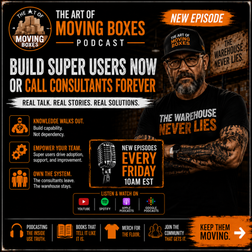
Build Super Users Now or Call Consultants Forever
In this episode of The Art of Moving Boxes Podcast, James takes on a problem that shows up constantly in WMS projects, warehouse transformations, and consulting engagements: companies getting sent consultants who may look good on paper but are not the right fit for the work. The result is usually predictable. The business avoids the uncomfortable conversations up front, accepts the wrong skill set, and pays for it later through delays, rework, frustrated operations teams, weak adoption, and expensive extensions. This episode looks at the tradeoff between pain now and pain later. Why do recruiters and staffing firms keep sending consultants who miss the mark? What should companies be asking before a consultant ever reaches the floor? And how do you tell the difference between someone who understands the software and someone who can actually operate inside the reality of a warehouse? James breaks down: • Why resumes and certifications can create false confidence • The difference between technical knowledge and operational credibility • Why the cheapest or fastest staffing decision can become the most expensive one • What hiring managers should challenge during the interview process • Why operations leaders need a stronger voice in consultant selection • How to avoid paying twice for the same problem The core lesson is simple: You can deal with the pain of choosing the right person now, or deal with the much bigger pain of choosing the wrong person later. Real talk. Real stories. Real solutions. The warehouse never lies. Subscribe to The Art of Moving Boxes for practical conversations about warehouse operations, WMS implementations, leadership, consulting, supply chain, and the lessons that only show up when the plan hits the floor. Keep them moving.
The Consultant Left, and Nobody Knew the System
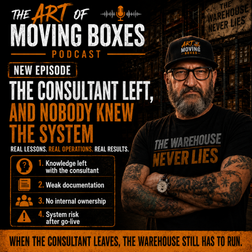
The Consultant Left, and Nobody Knew the System The consultant left. The implementation team moved on. And suddenly, nobody inside the operation truly understood the system they were expected to run. In this episode of The Art of Moving Boxes, James Goldman explores one of the most dangerous failures in warehouse and WMS implementations: allowing critical system knowledge to remain with outside consultants instead of transferring it to the people responsible for daily operations. A successful implementation is not just about getting the system live. It is about making sure the internal team can support it, troubleshoot it, train others, and continue improving the operation after the project team is gone. This episode covers: Why knowledge transfer is often overlooked How organizations become dependent on consultants What happens when system decisions are not documented Why super users need real ownership and hands-on experience How weak training creates long-term operational risk What leaders should require before consultants roll off a project Consultants should help build capability, not permanent dependency. Because when the experts leave, the warehouse still has to keep moving. This is The Art of Moving Boxes. Real lessons. Real operations. Real results. Paying real-world experience forward to the next generation.
Fear Is Expensive
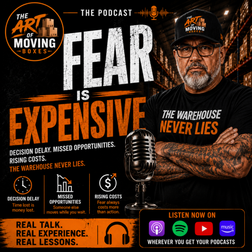
Fear Is Expensive explores the hidden cost of delayed decisions in warehouse operations and leadership. Fear rarely appears as a line item on a budget. It shows up through missed opportunities, rising costs, stalled projects, employee frustration, workarounds, and problems that grow while leaders wait for perfect certainty. This episode examines the difference between thoughtful caution and decision paralysis, why doing nothing is still a decision, and how delayed leadership choices can damage operations, WMS projects, employee trust, and customer service. The warehouse never lies. It will always reveal the true cost of hesitation. Real talk. Real experience. Real lessons.
The Meeting Did Not Move a Single Box
The Meeting Did Not Move a Single Box Your warehouse does not improve because another meeting was scheduled. It improves when decisions are made, ownership is clear, and people leave the room knowing exactly what happens next. In this episode of The Art of Moving Boxes, James breaks down why so many operational meetings create activity without creating progress. The same problems get discussed. The same risks get reviewed. The same action items get carried into next week. Meanwhile, the floor is still waiting. This episode covers: Why meetings become a substitute for leadership How unclear ownership kills execution Why “alignment” means nothing without action The difference between discussing a problem and solving it How leaders can create meetings that actually move the operation forward A meeting should create decisions, accountability, and measurable action. Because the meeting did not move a single box. The people who left it and executed did. Learn more, watch the podcast, find the books, and join the community: https://linktr.ee/theartofmovingboxes #TheArtOfMovingBoxes #WarehouseLeadership #OperationsLeadership #SupplyChain #WarehouseManagement #Leadership #Podcast #TheWarehouseNeverLies
Hero Culture Means The Process Is Broken
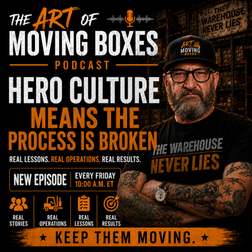
Hero Culture Means the Process Is Broken Visit My Linktree https://linktr.ee/theartofmovingboxes When one person is always saving the day, leadership may call them a hero. But in many warehouses, that “hero” is actually holding together a process that should have been fixed long ago. In this episode of The Art of Moving Boxes Podcast, James Goldman breaks down how hero culture develops, why organizations reward it, and how it quietly burns out the very people they depend on most. You’ll hear real warehouse stories, the business problem behind them, the root cause leaders often miss, and practical ways to replace heroics with stronger processes, clearer ownership, better training, and a more reliable team. No corporate buzzwords. No sugarcoating. Just real stories, real operations, and real solutions. Everything connected to The Art of Moving Boxes is available through the Linktree in the description. This podcast exists for one reason: to pay it forward to the next generation of warehouse and supply chain professionals. Be curious. Be blunt. The warehouse never lies. Visit My Link Tree https://linktr.ee/theartofmovingboxes
The Warehouse Never Lies
The warehouse never lies. Dashboards can look green. Meetings can sound positive. Reports can tell one story. But the warehouse always tells the truth. In the premiere episode of The Art of Moving Boxes, James Goldman draws on nearly 30 years of warehouse operations, leadership, and implementation experience to explain why the warehouse is the ultimate measure of execution. Through real stories from the warehouse floor, James explores how leadership, process, communication, and accountability shape every operation—and why the truth is always revealed between the four walls. Whether you're a warehouse associate, supervisor, manager, executive, consultant, student, or supply chain professional, this episode will challenge the way you think about leadership and operational excellence. Because at the end of the day... The Warehouse Never Lies.