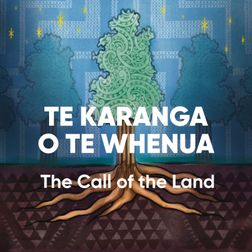
Te Karanga o te Whenua - The Call of the Land

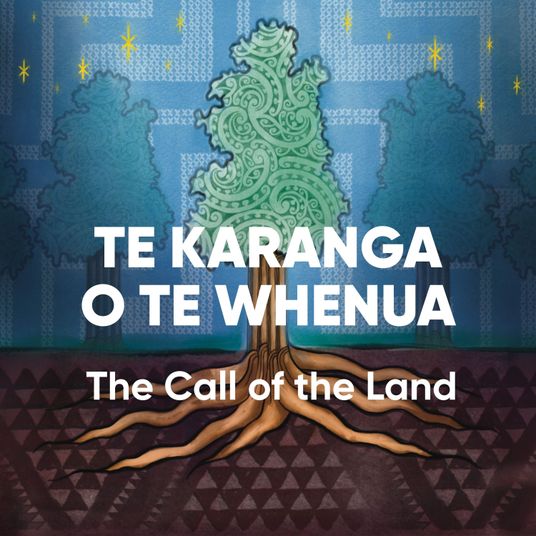
Te Karanga o te Whenua - The Call of the Land

por He Whenua Kanorau, He Whenua Manawaroa
TakiToa – Kai Sovereignty, with Lisa Warbrick and Tracey Bayliss
Lisa Warbrick (Te Āti Haunui-a-Pāpārangi, Ngāti Maru, Ngāti Awa, Ngāti Rangitihi) and Tracey Bayliss (He tangata tiriti nō Aotearoa) are co-founders of TakiToa, a kaupapa Māori-led kai sovereignty endeavour. Through a mobile meat processing model, they enable kai to move directly from paddock to plate. Their kōrero builds on earlier episodes by showing how reconnecting to whenua Māori can extend into kai systems, keeping value, control, and nourishment within communities. He kai te rongoā, he rongoā te kai Let food be thy medicine and medicine be thy food --------------------------------------------- Disclaimer Te Karanga o Te Whenua is led by researchers based at the Manaaki Whenua – Landcare Research Group, now part of the Bioeconomy Science Institute – Maiangi Taiao. The stories shared in Te Karanga o Te Whenua are personal accounts that were recorded with permission and are presented to reflect the lived experiences, perspectives, and voices of the research partners. These narratives are shared in good faith to inform, reflect, and inspire listeners, and are not intended for advisory purposes. The views expressed are those of the individuals featured and do not necessarily represent the views of the funders or hosting organisations.
Whenua, Wai, & Whānau, with Theresa Thornton
Theresa Thornton (Ngāti Pāhauwera) is a trustee and kaitiaki restoring whenua and wai in Raupunga for over two decades. Working with limited resources, she has led fencing and farming efforts, a papakāinga development, and a long fight for clean water. Her kōrero highlights the power of whānau to step up when systems fall short, and create their own solutions to restore whenua, wai, and community wellbeing. Ko Tangitū ki te moana, Maungaharuru ki uta, Mōhaka te awa, Ko Ngāti Pāhauwera te iwi Tangitū is at sea, Maungaharuru is inland, Mōhaka is the river, Ngāti Pāhauwera are the people --------------------------------------------- Disclaimer Te Karanga o Te Whenua is led by researchers based at the Manaaki Whenua – Landcare Research Group, now part of the Bioeconomy Science Institute – Maiangi Taiao. The stories shared in Te Karanga o Te Whenua are personal accounts that were recorded with permission and are presented to reflect the lived experiences, perspectives, and voices of the research partners. These narratives are shared in good faith to inform, reflect, and inspire listeners, and are not intended for advisory purposes. The views expressed are those of the individuals featured and do not necessarily represent the views of the funders or hosting organisations.
Land, Governance & Grit, with Roma Balzer
Activating whenua through governance, trust‑building, and long‑term collective vision Roma Balzer (Ngāti Ranginui, Ngāi Te Rangi, Ngāti Raukawa, Ngāti Apakura, Te Arawa) is a trustee and governance strategist supporting whenua and whānau in the Waikato. Stepping into governance with little experience, she helped transform a dormant trust into an active, purpose-driven collective. Her kōrero builds on earlier episodes by showing how whenua is sustained through developing relationships, long-term visions, and shared responsibility to ensure whenua Māori remains a living asset for future generations. Ehara taku toa i te toa takitahi, engari he toa takitini My strength is not that of one but of many --------------------------------------------- Disclaimer Te Karanga o Te Whenua is led by researchers based at the Manaaki Whenua – Landcare Research Group, now part of the Bioeconomy Science Institute – Maiangi Taiao. The stories shared in Te Karanga o Te Whenua are personal accounts that were recorded with permission and are presented to reflect the lived experiences, perspectives, and voices of the research partners. These narratives are shared in good faith to inform, reflect, and inspire listeners, and are not intended for advisory purposes. The views expressed are those of the individuals featured and do not necessarily represent the views of the funders or hosting organisations.
Returning to the Whenua, with Āwhina Motutere
Reclaiming the right to live on ancestral whenua through grief, justice, and practice Āwhina Motutere (Ngāi Te Rangi, Ngāti Kahungunu, Ngāti Pāhauwera) is a kaitiaki living off-grid with her whānau on ancestral whenua in Tauranga Moana. After returning home and fighting a five-year battle to occupy her land, her kōrero extends the series into the realities of systems and access. She shows that reconnection requires persistence, and that living on whenua Māori is both healing and transformative. Whatungarongaro te tangata, toitū te whenua As man disappears from sight, the land remains --------------------------------------------- Disclaimer Te Karanga o Te Whenua is led by researchers based at the Manaaki Whenua – Landcare Research Group, now part of the Bioeconomy Science Institute – Maiangi Taiao. The stories shared in Te Karanga o Te Whenua are personal accounts that were recorded with permission and are presented to reflect the lived experiences, perspectives, and voices of the research partners. These narratives are shared in good faith to inform, reflect, and inspire listeners, and are not intended for advisory purposes. The views expressed are those of the individuals featured and do not necessarily represent the views of the funders or hosting organisations.
Return to the Maunga, with Kiri Nehua
Healing whenua and whānau through returning to and restoring the maunga Hoki atu ki tōu maunga kia purea ai e koe ki ngā hau o Tāwhirimātea Return to your mountain to be cleansed by the winds of Tāwhirimātea Kiri Nehua (Te Rarawa, Te Aupōuri, Ngāpuhi) is a scholar, farmer, and kaimanaaki of Hūruiki Maunga in Te Tai Tokerau. After repurchasing their ancestral maunga, she and her husband led a journey of restoration and reconnection. Her kōrero builds on the idea of returning to ancestral whenua, demonstrating how healing comes through understanding history, restoring whenua, and creating space for whānau to reconnect. --------------------------------------------- Disclaimer Te Karanga o Te Whenua is led by researchers based at the Manaaki Whenua – Landcare Research Group, now part of the Bioeconomy Science Institute – Maiangi Taiao. The stories shared in Te Karanga o Te Whenua are personal accounts that were recorded with permission and are presented to reflect the lived experiences, perspectives, and voices of the research partners. These narratives are shared in good faith to inform, reflect, and inspire listeners, and are not intended for advisory purposes. The views expressed are those of the individuals featured and do not necessarily represent the views of the funders or hosting organisations.
Home Has Always Been Waiting, with Natasha Koia
Returning home to whenua as a process of reclaiming belonging, identity, and everyday kaitiakitanga Natasha Koia (Ngāti Porou, Te Aitanga a Mate) is a kaitiaki and systems thinker living on ancestral whenua in Makarika, Tairāwhiti. Opening the series, her kōrero is shaped by her grandparents’ reo and values. Tarsh bridges lived practice and deep insight, reminding us that belonging is inherited and that there is space for everyone to return: home has always been waiting, and there is enough space for everybody. No runga, no raro kare i whakapapatia We are all connected, there is no separation --------------------------------------------- Disclaimer Te Karanga o Te Whenua is led by researchers based at the Manaaki Whenua – Landcare Research Group, now part of the Bioeconomy Science Institute – Maiangi Taiao. The stories shared in Te Karanga o Te Whenua are personal accounts that were recorded with permission and are presented to reflect the lived experiences, perspectives, and voices of the research partners. These narratives are shared in good faith to inform, reflect, and inspire listeners, and are not intended for advisory purposes. The views expressed are those of the individuals featured and do not necessarily represent the views of the funders or hosting organisations.