Sam The Rolling Chef

Sam The Rolling Chef

por Sammy Garcia
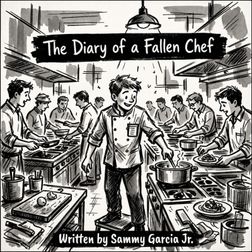
The Diary of a Fallen Chef
IA
The Diary of a Fallen Chef is a raw, emotional, and deeply personal memoir that follows Sammy Garcia Jr.’s journey through family, food, faith, ambition, addiction, grief, brotherhood, leadership, physical pain, and survival. Written with the voice of a working chef who has lived through the beauty and brutality of professional kitchens, the book blends culinary storytelling with testimony. It is not only a memoir about cooking; it is a story about identity, sacrifice, resilience, and what happens when the dream that built you also begins to break you. The memoir begins with Sammy’s early love for food, rooted in family kitchens, homemade meals, church Sundays, and the powerful way meals brought people together. From there, the story moves through his first kitchen jobs, culinary school, dish pits, line work, mentorships, romances, heartbreaks, promotions, leadership tests, and career-defining opportunities. Structured around “courses,” the book gives the memoir a fitting culinary rhythm, allowing each stage of the author’s life to unfold like a meal prepared with memory, emotion, and fire. One of the strongest qualities of the book is its honesty. Sammy does not present himself as perfect. He writes openly about ego, exhaustion, alcohol, anxiety, grief, physical pain, addiction, strained relationships, and the emotional toll of restaurant life. That honesty gives the memoir its power. The reader sees not only the chef coat, the titles, and the accomplishments, but also the man underneath them—the son, brother, friend, mentor, leader, and survivor trying to understand what the fire has made of him. The kitchen scenes are especially vivid. Sammy captures the sounds, smells, pressure, humor, danger, discipline, and strange brotherhood of restaurant work with lived-in detail. The reader can feel the heat of the line, the chaos of a rush, the weight of leadership, and the bond that forms when people survive difficult shifts together. His descriptions of food are equally memorable, often connecting flavor to family, culture, memory, faith, and longing. As the memoir expands into Dallas, Austin, and Chicago, the story becomes more than a record of career growth. It becomes a portrait of a chef chasing purpose while carrying private pain. Chicago, in particular, becomes a major turning point—a city of opportunity, loneliness, brotherhood, ambition, beauty, and pressure. There, Sammy builds a team, discovers new forms of family, celebrates hard-earned success, and begins to feel the warning signs of the fall that will change his life forever. At its heart, this is a book about falling and rising. The title suggests defeat, but the story is filled with movement—toward growth, forgiveness, humility, faith, and self-understanding. The author’s spinal injury and diagnosis of Chronic Cauda Equina Syndrome become emotional turning points, forcing him to confront the loss of the kitchen life he once knew and search for meaning beyond the title of chef. Overall, The Diary of a Fallen Chef is a sincere, emotional, and hard-earned memoir with a distinct voice. It reads like a confession, a testimony, a love letter to the kitchens that shaped the author, and a warning about what passion can cost when the body and spirit are pushed beyond their limits. More than anything, it reminds readers that even after the fall, there can still be faith, fire, brotherhood, and a reason to start over.