Learning from Brazil
por Kurt ShawTemporada 1
Learning to play and to live with little kids
Joy is not a limited resource
The art of play
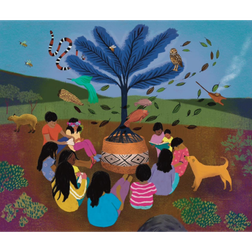
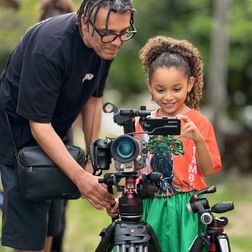
Everything in our culture is a type of art. A song is art for us. Dancing is art. A prayer is art. From the moment you start smoking the ritual pipe to speak with the deities, making that connection with Nhanderu—that's art. Body painting is art. It's making a connection with Nhanderu, so it's a type of art. Of course, there isn't a word in Guarani for "art." But everything is related to art. It's all connected to spirituality. The Guarani people see art, spirituality, dance, and agriculture as a way of creating the beauty tat sustains and justifies the world. And all of these activities are play, a way of bringing joy into the world. If our life rotates around play instead of profit, they ask, what would it look like? Interviews in the podcast come from various movies made by Usina da Imaginação and directed by Rita Oenning da Silva and Kurt Shaw: The Art of Play (2026) and Brincar na Roda de Tambor (2024), and The Rhythm of Liberation (2025).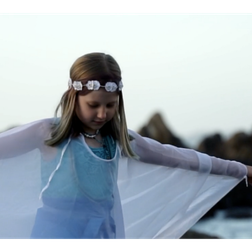
Music is a transpersonal feeling
Learning from Conflict in the Amazon and in Medellín
Making identity out of circles: afro-Brazilian ideas of being yourself
What can Brazilian football teach us about political rage?
Coming together: on the street, in the family, through culture
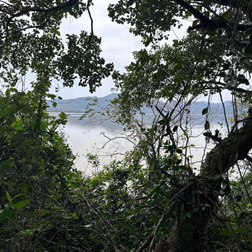
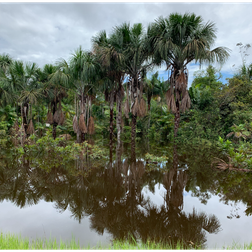
With this podcast, I’ve been trying to show that Brazilian popular culture has much to teach the world. One of the most important lessons I’ve learned from indigenous people is to sit and listen to the nature around me. This morning, Rita and I walked into the jungle along the banks of the Lagoa de Peri, a fresh water lagoon nestled in the high mountains close to our house. It was cloudy, still, and cool — somewhere in the mid 40s Fahrenheit — and the birds decided to provide a symphony in the jungle, with only us as the human audience. These sounds aren’t just beautiful: they are also hopeful. From the time of colonization until the middle of the last century, the jungle around Lagoa de Peri was destroyed for firewood and planting. In the last century, it has come back as exuberant and inspiring nature. So today, in a special and unexpected episode, you can listen to the sounds of that natural symphony. Enjoy. Why do we need to learn from Brazil?