Getting to "Hell Yes!".

Getting to "Hell Yes!".

por Guillermo Salazar
Live! Getting to Hell Yes! with Lisa Russel
Introduction to Lisa Russell: Lisa Russell, with over 30 years of experience in the multifamily industry, shares her journey from COO to working in an AI startup, focusing on combining technology with operations. AI in Multifamily: Lisa emphasizes that the industry is overwhelmed with technology. She believes AI can now reduce labor, enabling more human interactions by handling tedious tasks, especially in property management. Tech Overload in Multifamily: Historically, multifamily has been slow to adopt technology. Employees often struggle when transitioning between properties due to different tech systems, despite their years of experience. Fraud in the Industry: Lisa highlights the need to address both resident and vendor fraud. She prefers to work with companies that acknowledge the fraud problem and are proactive about it. Data Utilization Challenge: Many organizations are drowning in data but fail to use it effectively. AI can help manage and utilize this data for tasks like predicting maintenance needs or deciding on renovations. The Role of AI in Takeovers: Lisa discusses the importance of AI in retaining institutional knowledge during property takeovers. AI can preserve data continuity when asset managers or property managers leave. Staffing and Technology: As technology becomes more integrated, property managers face longer adaptation periods when taking over new properties. AI can help shorten this transition time. Key Signals for AI Adoption: Lisa suggests that companies led by forward-thinking leaders (who embody a "hell yes" mindset) are prime candidates for adopting AI solutions. They recognize the need for change and are open to tech solutions. Sales Approach: In sales, Lisa emphasizes the importance of addressing buyers' emotional needs before talking about ROI, to secure commitment to change. Buyers need to feel confident that AI solutions are easy to implement and beneficial. Future of Multifamily with AI: The conversation touches on how AI will shape the future of multifamily, ensuring seamless property management transitions, enhancing resident experience, and creating more efficient operations across the board.
The Business of Property Maintenance: The tippy 4 legged stool
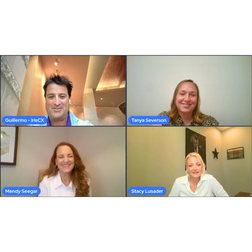
In this episode of Getting to Hell Yes!, Guillermo Villasenor brings together three powerhouse voices in property management: Tanya Severson, Stacey Lusader and Mindy Seeger to dissect one of the most complex challenges in real estate operations: maintenance. They explore a compelling metaphor. The four-legged stool of property maintenance made up of owners, vendors, maintenance providers and residents. What happens when one leg falters? The whole system wobbles. From real-world vendor frustrations and owner-operator blind spots to resident psychology and program management best practices, this episode dives deep into: Why maintenance is more than just fixing things. It's a strategic asset decision The hidden cost of misalignment between stakeholders Why culture and communication are more powerful than any tech tool The emotional weight residents carry when systems break The call for program management, empathy and education across all roles Whether you're managing scattered-site SFR, running a vendor business or investing in rental portfolios, this episode will shift your perspective on maintenance from “cost center” to “community builder.” Spoiler: Fixing maintenance isn’t just about dispatching a plumber, it’s about aligning motivations, building trust and treating every stakeholder like a partner.
Temporada 1
Live with Adrian Danila
Live from Blueprint 2024 in Vegas: Centralization with Adrian Danila!, in 10 bullet points: 1. Adrian Danila's Background: Adrian Danila has over 20 years of experience in multifamily facilities management, starting as a groundskeeper and working up to a vice president overseeing 32,000 apartment homes. 2. Centralization Challenges: Centralization in multifamily R&M (repair and maintenance) faces challenges, particularly related to travel time for technicians between properties and managing service requests efficiently. 3. Multifamily Properties Scale: Unlike scattered single-family homes, multifamily properties are often in one location with hundreds of units, but centralizing maintenance across several properties introduces logistical complexities. 4. Impact on Resident Experience: Centralizing maintenance services can lead to delayed service for residents, especially if technicians batch service requests, which can negatively affect resident satisfaction. 5. Cost Pressures and Priorities: Due to rising interest rates and stagnant rent increases, many property owners are prioritizing cost reductions over resident service quality. Centralization is seen as a potential cost-saving measure. 6. Importance of Reducing Costs: For multifamily owners, reducing maintenance expenses is often a key driver behind centralization efforts, especially as the rental market faces increased competition from single-family rentals. 7. Labor Shortages: A significant challenge for centralization is the lack of available labor, which drives property owners to consider outsourcing and more efficient operations before centralizing R&M functions. 8. Outsourcing as a Solution: Many multifamily operators are turning to outsourcing maintenance functions as a stopgap, with the commercial sector providing a model for this approach. 9. Technology and Efficiency: Adrian emphasizes the importance of improving operational efficiency through technology, such as keyless entry systems, before fully committing to centralized maintenance operations. 10. Centralization Should be the Last Step: Adrian advises that centralization should not be pursued for its own sake. Operators should focus on improving local efficiency and outsourcing before considering centralization as the final step in optimizing operations.
Live from Cultivate Austin With Amy Polvado
Here are 10 bullet points "Live From Cultivate Austin! with Amy Polvado": 1. Centralization in Property Management: The discussion highlights the growing importance of centralizing operations in multifamily property management due to shrinking margins, inflation, and rising interest rates. 2. Challenges with Change: Centralizing operations is seen as necessary but painful, especially for those who have done things inefficiently for decades. Resistance to change is common in the industry. 3. Impact of Interest Rates: Many property owners who purchased properties with variable-rate debt in 2021 are now struggling due to higher interest rates and compressed rent growth, resulting in cash flow issues. 4. Operator and Owner Conflicts: Tension exists between property managers (PMs) and owners because of the structure of agreements—PMs are paid based on revenue but don’t directly benefit from cutting expenses, unlike owners who are focused on net operating income (NOI). 5. PropTech Solutions: There is a rise in PropTech consultants and platforms like IrisCX that help bridge the gap in centralization by providing data aggregation and remote operational support to solve inefficiencies. 6. Midwest Real Estate Market: The Midwest region is more proactive about centralizing operations and avoiding cost pressures seen in Sunbelt states, where labor shortages and rising wages are bigger concerns. 7. Aging Workforce and Labor Shortages: The real estate industry faces a shortage of skilled labor, particularly in maintenance roles. Aging maintenance technicians exacerbate this problem, making technological solutions like remote maintenance even more crucial. 8. Remote Maintenance Solutions: The military and other industries have successfully used remote maintenance for years, and similar solutions are now being applied to the real estate sector to mitigate labor shortages and distributed asset management. 9. Use of IoT for Problem Detection: IoT and real-time data collection can prevent costly issues like undetected leaks that result in major damages, as shared in a story about a sinkhole caused by an unmonitored leak. 10. Consolidation in the Industry: Large property management companies are consolidating, which positions them to benefit from centralized operations and PropTech solutions that streamline processes and improve efficiency across scattered properties.
Live from MFE Conference with Cris Kimborough
"Live From MFE Conference In Vegas With Cris From SKBM", featuring a discussion between Guillermo from IrisCX and Cris from SKBM at the MFE Conference: 1. Introduction to SKBM: Cris explains that SKBM is a PropTech concierge specializing in consulting on real estate and technology solutions, particularly installations like access control, smart locks, and thermostats for multifamily properties. 2. Centralization and Technology in Real Estate: Cris highlights the growing importance of centralization and technology in multifamily real estate operations, predicting that adopting these tools will become necessary to stay competitive. 3. Competition in Multifamily Markets: The discussion touches on how new developments and increased supply are putting pressure on older buildings, particularly in markets like Austin and Nashville, making it crucial for property managers to adapt to retain tenants. 4. Lower Barriers to Change in Multifamily: Unlike single-family homes, multifamily properties face lower costs for change, making it easier for operators to adopt new technologies, which helps create a hospitality-like experience for residents. 5. Tech Solutions for Tenant Retention: Implementing technology can improve tenant retention by enhancing operations and providing a better experience, especially as centralization and automation free up resources to focus on resident engagement. 6. The Role of Operations in Tenant Experience: The video stresses that tenant experience is tied directly to operational efficiency. Centralizing operations, such as maintenance, leads to better outcomes for residents and improved retention. 7. Challenges of Staffing: Cris mentions that there's a growing shortage of maintenance staff, so centralizing operations can help make on-site workers more efficient and reduce their workload, improving tenant satisfaction. 8. Balancing Affordability and Tech Adoption: The conversation emphasizes that even B and C class properties need to adopt technology to remain competitive, as managing operational costs (OPEX) is critical to maintaining profitability and increasing NOI. 9. Building Business Cases for Technology Adoption: Cris discusses how asset managers and property managers can build a business case for adopting centralized technology, starting with data collection and understanding the unique challenges at different management levels. 10. Innovation Driven by Competition: The video concludes with a discussion on how competition among property management companies is driving innovation. Operators need to bring new solutions to the table to win contracts and improve NOI, especially in a budget-conscious environment.
Live! Getting to Hell Yes! With Suzanne Hopson from Here2Elevate
Curious about what it takes to turn 'maybe' into a resounding 'hell yes'? Join Suzanne Hopson, founder of Here to Elevate, as she dives deep into her world of multifamily consulting. From navigating "hair on fire" moments to transforming operational chaos into success, Suzanne reveals her secrets to building trust, setting priorities, and delivering real change. Tune in to learn how to get the right people in the right seats, leverage tech to save money, and why sometimes, firing a client is the best move. Don’t miss this chat conversation packed with sellers intel & buyers inside baseball!
LIve from Optech! Getting to Hell Yes with Michelle Moore!
Curious about what it takes to get that “hell yes” in multifamily sales? Michelle Moore from Collide Partners breaks it down live from Optech, sharing insights on everything from navigating the complex cycles of multifamily decision-making to identifying the right influencers for seamless connections. Discover why timing is everything, how understanding real pain points can transform your approach, and why technology is regaining trust in this evolving industry. Michelle’s unique approach reveals the strategies that not only get you in front of the right people but have them saying, “Yes, that’s exactly what we need!” Tune in to learn the secrets behind turning complex blockers into breakthrough moments in multifamily sales!
Live from Optech 2024! Getting to Hell Yes!with Ben Keller COO of Propexo!
Tune in to "Live from Optech 2024! Getting to Hell Yes!" with Ben Keller, COO of Propexo! In this exciting episode, Ben Keller dives into the art of selling through problem-solving, how Propexo is unlocking integrations in the proptech space, and why a deep understanding of the buyer journey is essential. Join us to hear insights that can help you transform your approach to selling in multifamily and proptech industries! Top 3 Takeaways: 1. Problem-Centric Selling: Focus on the problems that matter most to buyers instead of pitching features – the fastest way to get to "hell yes!" 2. Mastering Integrations with PMS Systems: Discover how Propexo is tackling one of the biggest roadblocks in real estate tech by making PMS integrations smoother and faster. 3. Winning with a Low-Risk Approach: Learn Ben's strategies for reducing risk in buyer decisions, from phased rollouts to strategic entry pricing that fosters growth. Don't miss out – tune in for game-changing strategies straight from the experts at Optech!
Getting to Hell Yes! With Shelley Robinson
In this episode of Getting to Hell Yes!, we're joined by multifamily and proptech expert Shelley Robinson, who shares her insights on transforming operations in today’s challenging real estate landscape. From staffing shortages to NOI pressures, Shelley dives into why now is the time for operators to embrace change—and how technology plays a crucial role in overcoming industry pain points. Shelley’s one piece of advice? "Don’t settle for the status quo. Embrace change with an open mind, whether it’s staffing, technology, or operations—those ready to tackle these challenges head-on will set the pace for the industry’s future." Tune in to hear how Shelley helps multifamily leaders achieve "hell yes" moments by identifying real solutions, breaking down silos, and pushing the boundaries of what’s possible in property management. 🏢✨
Getting to Hell Yes! Live with George Burchlaw, RE Analytics
🎙️ Get ready to dive into the world of real estate analytics with this episode of “Getting to Hell Yes!” Join us as Guillermo Salazar, CEO of IrisCX, sits down with George Burchlaw, founder of RE Analytics, to explore the common struggles of managing data across multifamily properties and the game-changing insights that analytics can bring. George shares his journey from architectural engineering to launching RE Analytics, a company dedicated to helping small and midsize real estate firms make smarter decisions with less manual work. Highlights include: Why many real estate companies rely on spreadsheets and junior analysts—and how that leads to costly oversights. The “people, speed, and quality” framework George uses to pinpoint clients’ biggest roadblocks. Key triggers that push companies to seek help, from lender meetings to performance dips. Real-world stories of how RE Analytics has transformed operations for its clients, streamlining data for clearer, faster insights. Whether you’re in property management or just curious about the impact of data on decision-making, tune in to learn how George’s tech-driven approach is taking real estate analytics to the next level. Don’t miss this insightful conversation on the latest “Getting to Hell Yes!” 🎧

1 de 14