FILMD Chats

FILMD Chats

por FILMD
Temporada 1
How Saying “Yes” Built Gurjant’s Film Career
In this episode of FILMD Chats, director, cinematographer and writer Gurjant Singh (New Line Films / Wolverhampton Film Festival) breaks down how he built a filmmaking career with no contacts, no clear plan, and a lot of stubborn persistence. He shares how dropping out of a business degree, shooting weddings to pay the bills and sneaking video work on the side eventually led him back to film school and his first short in 2017. From there, Gurjant talks about posting in Facebook actor groups to find collaborators, making nine shorts in a single year, and turning New Line Films into a company that now spans narrative work, commercials, music videos and podcasts. We also go behind the scenes of running Wolverhampton Film Festival, from venue nightmares to creating a genuinely welcoming space for filmmakers. If you’re an emerging filmmaker wondering where to start, this one will light a fire under you.
How To Prove Your Story In The Opening Shot
This week on FILMD Chats, writer–director Rob Ayling breaks down a director’s most honest promise, the opening shot and how to make it declare the film’s thesis, set rules, and prime expectation from second one. He shows how Living in Crime Alley and Punching Bag use a singular first image to set tone and then flip what viewers think they’re getting hook first, subvert later. Rob shares a practical drafting mantra write the first draft for yourself, the next for the audience, then demonstrates how he re-engineered structure and beats to respect expectation without surrendering authorship. It’s a blueprint for choices that travel from page to lens. We also explore adaptation in a restless industry: treating tech as tool, not crutch; why the pendulum back to celluloid brings discipline and texture; and when to choose phone, DSLR or Super-16 to serve theme, not habit.
Exploiting Your Film (Not Your Drive) To Create Impact
BAFTA-winning producer Hayder Rothschild Hoozeer joins FILMD Chat to unpack the “15-year overnight success”: from runner lugging kit in Margate to building Who’s Here Films, studying at NFTS on a BAFTA scholarship, and learning to trust his taste. We go inside the making of Rock, Paper, Scissors, a true story on the Ukrainian frontline and why casting Ukrainian, filming in Ukrainian, and working with the Ministry of Culture mattered for authenticity. Hayder shares rehearsal-first tactics, bringing editor and composer to recces, and the no-ego culture that finished early and won big. We also dig into campaigning, impact, and keeping Ukraine in the conversation as the film qualifies for the Oscars. If you’re a filmmaker navigating budgets, structure and self-belief, this episode is a masterclass in craft and perseverance.
Why Filmmaking Is About Process, Not Perfection With Joseph Ollman
In this FILMD Chats episode, we sit down with Joseph Ollman, BAFTA Cymru nominated writer, director and actor, to unpack the realities of building a career across disciplines in today’s film industry. From his early shorts Throw Me to the Dogs and Meat on Bones to his growing body of acting work, Joseph reflects on the lessons that shaped his craft: the power of collaboration, directing non-professional actors, and why improvisation can lead to the most authentic performances. We explore his candid views on film school, navigating festivals, and the importance of seizing momentum when recognition arrives. Joseph also shares why he avoids spoon feeding audiences, preferring to trust viewers to find meaning through performance, visuals and subtext. For filmmakers and actors alike, this conversation is a masterclass in staying resourceful, learning by doing, and creating work that resonates far beyond the screen.
Learn To Trust Your Weirdness With Sherice Griffiths
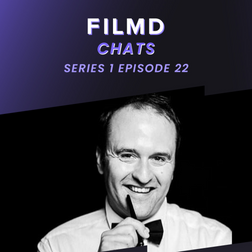
In this episode of FILMD Chats, we sit down with award-winning director and BAFTA Connect member Sherice Griffiths to explore the unfiltered realities of forging a career in independent film. With a background in comedy and a portfolio spanning branded content, short films and TV pilots, Sherice shares valuable lessons from her own journey from making the leap out of a 9-5 creative job to directing full-time. Sherice opens up about the emotional toll of rejection, the importance of self-belief before validation, and what it means to advocate for yourself on set, especially as a female director. Sherice discusses how she built experience on her own terms, why comedy deserves more respect within the industry, and the often-overlooked power of personal projects to open professional doors.
Why Nicolai Schumann Skipped Shorts And Went Straight To Features
In this episode of FILMD Chats, Zain sit's down with award-winning filmmaker Nicolai Schumann, writer and director of The Lonely Musketeer, a gripping psychological thriller crafted with one actor, one room, and a whole lot of creative risk. Nicolai shares the story behind skipping the short film route and diving straight into feature filmmaking. Revealing the challenges of writing in isolation, producing independently, and building a visually compelling narrative on a tight budget. From his influences and inspirations to his bold stylistic choices and festival success at Raindance, this conversation is a masterclass in storytelling, perseverance, and breaking conventions. Whether you're a screenwriter, director, or first-time filmmaker, this is one you won’t want to miss.
Fahim Fazli’s Hard-Earned Lessons From Hollywood
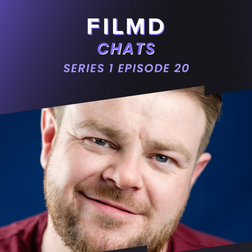
In this episode, Fahim Fazli shares his extraordinary journey from fleeing Afghanistan as a refugee to building a successful acting career in Hollywood, with credits including Iron Man, American Sniper, Argo, and Superman. Through candid storytelling, he reflects on cultural barriers, rejection in the industry, and the discipline that guided his path. He also reveals the six key questions every aspiring actor should ask themselves, and the real-life emotions behind his most recent role as the face of hope in Superman. This is a story about perseverance, purpose, and finding power in your past.
Andy Ellis Talks About Working-Class Voices In British Cinema
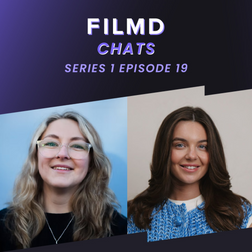
In this episode of FILMD Chat, we sit down with actor Andy Ellis to unpack his journey from breakout role to seasoned performer. Best known for his powerful portrayal of Gadget in This Is England, Andy shares how working with Shane Meadows shaped his approach to acting, collaboration, and storytelling. He opens up about growing up on set, navigating the emotional demands of the role, and what it means to represent working-class voices on screen. From early lessons in authenticity to building a sustainable career in film, Andy offers raw insight and practical wisdom for anyone working in or dreaming of the industry. Whether you're an actor, director, or just passionate about grounded storytelling, this episode is packed with real talk and valuable takeaways.
What It Really Takes To Start A Production Company
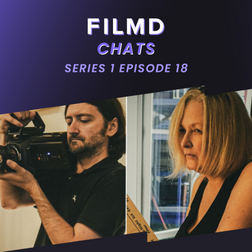
Writer-producer Ellie Kitchener and director Lucy Walsh join us to share their unconventional paths into the industry from forming creative partnerships during lockdown to launching their own production company. They discuss the importance of originality in today’s film landscape, the challenges of short-form storytelling, and why filmmakers need to take more creative risks. A must-watch for anyone passionate about independent film and bold new voices.
Inside Dragonfly: Creating A Festival That Supports Filmmakers
In Episode 18 of FILMD Chats, we sit down with filmmakers Su Moffitt and John Curran, the creative duo behind the Dragonfly International Film Festival. With years of experience spanning music videos, short films, and independent features, they offer an honest and practical look into what it really takes to carve out a career in today’s film industry without relying on traditional routes. They discuss the realities of getting started with limited resources, the importance of creative consistency, and how to build meaningful collaborations without ego. As festival organisers, Sue and John also share valuable insight into the submission process from what judges actually look for to why covering all technical and storytelling bases is essential.
1 de 4