DT LEADERSHIP
por Khairul Anwar
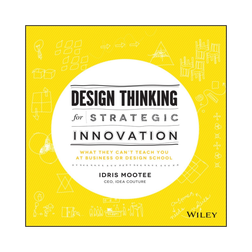
Design Thinking for Strategic Innovation based on Idris Mootee Book
Design thinking represents a fundamental shift from the mechanical, efficiency-driven paradigms of the 20th century to a human-centric, agile approach suited for the complexities of the 21st century. While traditional management focuses on value capture—keeping enterprises running smoothly through tools like Six Sigma, Lean, and total quality management—design thinking prioritizes value creation through innovation and the discovery of unmet human needs. The differences can be categorized across several key dimensions: Foundational Philosophies Mechanical vs. Human-Centric: Traditional management, influenced by Frederick Taylor’s "scientific management," views the business as a machine designed to maximize labor and machine productivity through repetitive tasks. In contrast, design thinking is human-centric, focusing on empathy, social bonding, and the "soft" management systems that hold an organization together. Analysis vs. Synthesis: Traditional management is predicated on strategic planning, which is an analytical process of breaking down goals into formalized steps. Design thinking is characterized by strategic thinking, which is about synthesis—using intuition and creativity to build up ideas and shape a vision for the future.