MEDIA Silver Factory

MEDIA Silver Factory

por Eric H.H. Waters
CN 作为交互艺术的游戏
第三部分,我们把“游戏”重新看作一种交互艺术。它不只是消遣或规则的集合,而是一种由参与者共同完成的体验:规则设定边界,行动不断生成变化,人与人之间的互动让每一局都不可复制。我们试着去理解,为什么童年的游戏会如此深刻——也许正因为它同时包含了身体、情绪与关系的参与,是一种最直接的“进入世界”的方式。在这里,玩家既是执行者,也是创造者;而游戏本身,则成为一种不断被激活的空间。
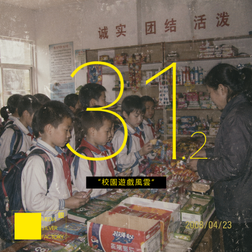
CN 游戏校园风云
这一部分,我们把话题落在游戏以及校园生活本身:那些每天都在发生、却很少被认真回想的片段。我们聊到课间的游戏、放学后的聚集、规则是如何被发明又被打破,也聊到那个时候的社交——很直接、很笨拙,但也格外真实。朋友是怎么靠近的,关系是怎么建立的,甚至一些小小的误会和对抗,都会在后来留下痕迹。校园像一个封闭又开放的世界,游戏和社交交织在一起,让我们在不知不觉中学会进入群体、理解他人,也逐渐找到自己的位置。
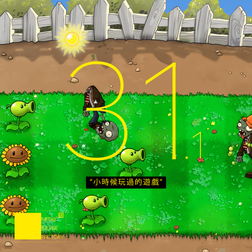
CN 小时候玩过的游戏
这一部分,我们把时间往回拨,回到那些还没有被命名的时刻。我们聊起小时候玩过的游戏——那些简单却认真对待的规则,也聊起曾经遇见的人——模糊却真实地留下痕迹。他们或许只是短暂出现,但在记忆里却慢慢变成一种气味、一种声音、一种无法复刻的感觉。这不是怀旧,而是一种重新看见:我们是如何在那些片段里,一点点长成现在的自己。
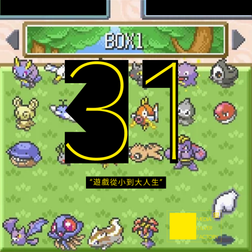
CN 31 游戏从小到大人生
游戏人生,其实是回忆节目。 With Chaos & Tina
EN 1.3 Is an Image Architecture? Rethinking Space in the Digital Age
What is architecture, if not a building? In this episode, we question a basic assumption: that architecture is defined by physical form. Instead, we begin with a different idea—that architecture is not matter, but experience. An experience made of three layers: presence, interaction, and emotion. Under this definition, a rendering is no longer just an image—it becomes architecture. A film is no longer just a narrative—it becomes space. What matters is not the material, but the effect it produces in the mind. We then break architecture down into four pillars: art, design, engineering, and technology—revealing that what defines any creation is not its form, but its intention. And this shift extends beyond architecture. In today’s world, we are no longer buying objects for their utility. We are buying stories, identities, and dreams. The value of a thing no longer lies in what it is—but in what it represents. So the question becomes: If architecture is no longer bound to matter, and value is no longer bound to objects— what are we actually experiencing?
EN 1.2 Designing in Multiple Realities: Digital Twins & New Designer
What if design no longer belonged to a single discipline—or a single person? In this episode, we move away from space as a physical condition, and into something more abstract: how design operates across multiple realities at once. Today’s most complex projects are no longer built by specialists working in isolation. They require something else—an ability to think across systems, to switch between different modes of thought. Not to do everything, but to see differently. At the center of this shift is a concept that’s quietly redefining architecture and design: the Digital Twin. Not just a model, but a living system—real-time, interactive, constantly evolving. A space that exists before it is built, where people can walk, react, and imagine collectively. But this changes more than tools. It changes the role of the designer. No longer a singular author, but an agent—responding, adapting, releasing ideas into a global feedback loop. And the audience? No longer a fixed demographic, but a layered identity—fluid, fragmented, constantly shifting. So the question becomes: When design happens across realities, and identity exists across labels— who are we really designing for?
EN 1.1 No Floor, No Ceiling: Architecture in Zero Gravity
What happens to architecture when gravity disappears? Not as a thought experiment—but as a real design condition. In zero gravity, there is no floor, no ceiling, no fixed orientation. Space is no longer organized vertically—it becomes continuous, open, and fully programmable. Multiple people can occupy the same volume, moving in different directions, performing different tasks, without ever sharing the same “ground.” But this freedom comes with a strange constraint: if you can’t reach a surface, you can’t move. In a space that is too open, a person can become physically stuck—unable to generate motion, suspended inside architecture itself. At the same time, architecture is undergoing another transformation. Most of us will never experience these spaces physically. We will encounter them through images, renderings, and videos—through media. Architecture is no longer just built; it is broadcast, circulated, and consumed. Projects like Starlab are designed in public view, continuously shaped by feedback, speculation, and imagination. The process becomes a kind of “Truman Show”—where design is no longer private, but collectively witnessed. So the question shifts: When space is both ungrounded and constantly observed, is architecture still something we inhabit— or something we watch?
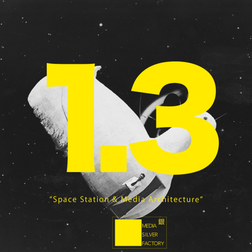
EN 1 Architecture After Physicality: Space Station & Media Architecture
What if architecture no longer needed to exist? Not metaphorically—physically. In space, there is no floor. No ceiling. No gravity. A room is no longer a room—it’s just a field of movement. In this episode, we enter Starlab, a commercial space station where architecture stops being about buildings, and starts becoming something else entirely: an experience, a system, a medium. But here’s the real shift— most of us will never go to space. We will see it. Scroll past it. Experience it through images, videos, and screens. So who is architecture really for? When space is designed to be seen before it is ever lived in, architecture doesn’t just leave the ground— it leaves physicality.
CN 假如:如果月球背面发现外星人
如果这一次,美国绕月飞行,让人类真的确认了—— 在月球背面,存在另一个文明。 不是信号,不是猜测, 而是被记录、被验证、无法否认的“他者”。 这一期,我们假设一个前提: 外星人,被发现了。 接下来会发生什么? 我们将讨论: 各国政府会选择公开,还是控制信息? 宗教与科学之间的边界,会不会被彻底打破? 人类对自身“中心地位”的认知,会不会瞬间崩塌? 当我们不再是宇宙中唯一的智能存在, 权力、国家、历史,这些概念是否仍然成立? 这不是关于外星生命的想象, 而是一次关于人类自身的反思—— 当“唯一性”被打破,我们还能如何理解自己。
CN 德国赢得二战,我们的今天怎么样?
如果第二次世界大战走向另一种结局, 如果阿道夫·希特勒所代表的体系取得胜利—— 世界,会不会变得“更有秩序”? 这一期,我们不讨论战争如何发生, 而是直接进入一个已经被改写的结局: 德国赢了。 在这样的前提下,一个以极端意识形态为核心的全球秩序将如何运行? 科技会被加速,还是被严格控制? 文化会被统一,还是被系统性清除? 个体,是被保护,还是被定义? 我们将推演一个被高度组织化、精确管理、却可能极度压抑的世界: 一个效率与恐惧同时存在的系统。 这不是猎奇,也不是反事实游戏, 而是一种逼近极限的提问—— 当“最危险的可能性”成为现实,人类还剩多少自由。
1 de 6