Acupuncture and Herbal Medicine

Acupuncture and Herbal Medicine

by Dr Li Zheng

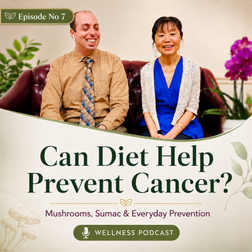
Can Mushrooms Support Cancer Prevention? Exploring Reishi, Shiitake, Lion’s Mane & More

Can the foods we eat play a role in supporting long-term health and potentially reducing cancer risk? In this episode, we explore the fascinating world of medicinal and edible mushrooms and the growing research around their potential health benefits. The conversation covers Reishi, Shiitake, Lion’s Mane, Turkey Tail, Maitake, and Wood Ear mushrooms, including how these varieties have traditionally been used in Asian diets and how researchers are studying their effects on immune function, inflammation, cognition, and certain cancer-related pathways. We also discuss lentinan, a compound derived from shiitake mushrooms that has been studied alongside conventional cancer treatments, as well as research involving Reishi mushrooms and colorectal polyps. The episode introduces sumac, a tart Middle Eastern fruit and spice being investigated for its potential biological effects, and explains why more human research is still needed. Other topics include: How mushrooms may support healthy immune function Reishi mushrooms and emerging colon health research Lion’s Mane and its potential connection to brain and nerve health Turkey Tail and ongoing cancer-related research Maitake and Wood Ear mushrooms as nutritious dietary choices Mushrooms as a possible dietary source of vitamin D Fresh versus dried mushrooms Safe preparation and cooking methods Why wild mushroom foraging should only be done with an experienced expert Simple ways to incorporate mushrooms into soups and everyday meals This episode offers an informative look at how traditional foods and modern research are coming together to better understand mushrooms and their potential role in supporting overall wellness. Follow us on— YouTube— https://www.youtube.com/@Aculizheng Instagram— https://www.instagram.com/acumagic/ Website— https://bostonchineseacupuncture.org/
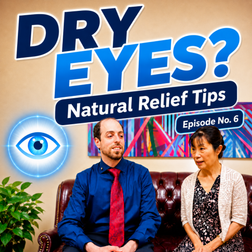
Episode 6: Dry Eyes, Screen Time & Natural Eye Relief Tips with Dr. Li Zheng and Dr. Alpert

Dry eyes are becoming more common across all age groups, especially with increased screen time, reduced blinking, aging, and hormonal changes. In Episode 6, Dr. Li Zheng and Dr. Alpert discuss why dry eyes happen, how screen use and menopause can affect tear production, and natural ways to support eye comfort. They explore acupuncture, acupressure, Chinese herbs, antioxidant-rich berries, chrysanthemum tea, shi hu, calendula, saffron, cranberry, bilberry, chokeberry, maqui berry, and honeyberries for overall eye health. This conversation also covers how inflammation, dryness, diet, and lifestyle may influence eye function and how natural approaches can help support better eye moisture, circulation, and long-term eye wellness. Follow us on - https://www.youtube.com/@Aculizheng https://www.instagram.com/acumagic/

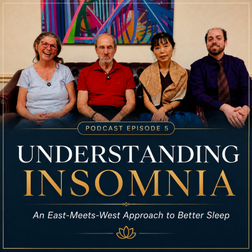
Understanding Insomnia: An East-Meets-West Approach to Better Sleep

Why does insomnia sometimes continue even after trying medication, acupuncture or other short-term solutions? In this episode, Dr. Li Zheng and a multidisciplinary panel examine a challenging case involving a 40-year-old man experiencing persistent insomnia. Although different treatments provided temporary improvement, his sleep difficulties repeatedly returned. The panel explores insomnia from multiple perspectives, including unresolved emotional stress, anxiety, nutrition, digestion, lifestyle habits and sleep hygiene. They discuss how counselling may help address underlying psychological concerns and how personalized dietary changes—such as avoiding late meals, reducing evening caffeine and choosing simple, easily digestible foods—may support more restful sleep. The conversation also covers acupuncture, Chinese herbs, magnesium, low-dose melatonin, gentle yoga, tai chi, evening walks and the carefully supervised use of medication when insomnia becomes severely disruptive. By bringing together Eastern and Western approaches, this episode highlights why long-term improvement may require more than treating sleeplessness at the surface. It may also involve understanding the emotional, physical, and lifestyle factors contributing to the problem. Subscribe to our YouTube Channel - https://www.youtube.com/@Aculizheng

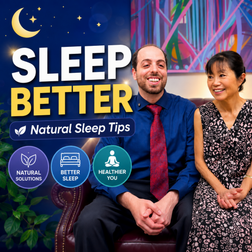
How to Sleep Better Naturally: Sleep Hygiene, Supplements & Medication Risks

Why do some people still feel exhausted after sleeping for seven or eight hours? In this discussion, Dr. Li Zheng and Dr. Alpert explain the difference between sleep duration and sleep quality—and why calming the nervous system may be essential for deeper, more restorative sleep. They discuss practical sleep-hygiene habits, including reducing screen time, avoiding stimulating conversations and news before bed, reading a physical book, stretching, and limiting caffeine later in the day. They also explore how alcohol, melatonin, magnesium, antihistamines, herbal supplements, and prescription sleep medications may affect sleep and the nervous system. Topics covered include: Why interrupted sleep can leave you tired the next day The effects of screens and blue light on circadian rhythm Caffeine sensitivity and its impact on sleep Why alcohol should not be used as a sleep aid Magnesium, valerian root, passionflower, chamomile, and ashwagandha Melatonin and long-term supplement use Potential risks of antihistamines and prescription sleep medications Dependency, tolerance, withdrawal, and sleepwalking concerns The importance of creating a consistent bedtime routine Sleep problems can have many causes, and supplements or medications may affect each person differently. Speak with a qualified healthcare professional before starting, stopping, or changing any medication or supplement. Subscribe to our YouTube channel - https://www.youtube.com/@Aculizheng/

Migraine or Tension Headache? Doctor Shares Triggers, Prevention & Natural Relief

Headaches and migraines can be triggered by many different factors, especially during the hot summer months in Florida. In this video, Dr. Albert and Dr. Zhang discuss common headache causes such as allergies, sinus congestion, dehydration, caffeine, alcohol, blood pressure changes, low blood sugar, neck tension, food preservatives, histamine reactions, and inflammation. They also explain how migraines, tension headaches, sinus headaches, and occipital neuralgia may feel different, and why identifying the root cause is important instead of only relying on temporary relief. The discussion also covers natural approaches such as acupuncture, stretching, posture correction, digestive health support, herbal medicine, chamomile, spirulina, butterbur, feverfew, and lifestyle changes that may help reduce headache frequency and intensity. This video is for educational purposes only and is not medical advice. Always consult a qualified healthcare professional before starting any new treatment, herb, supplement, or medication. Watch this video to learn: Common causes of headaches and migraines How allergies and sinus pressure can trigger headaches The role of caffeine, alcohol, dehydration, and food preservatives How neck tension and posture may contribute to headaches Natural and holistic approaches for headache prevention How acupuncture and herbal medicine may support better balance If you experience frequent, severe, or sudden headaches, please seek medical evaluation.

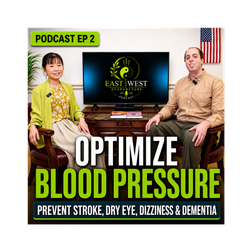
Optimizing Blood Pressure to Protect the Brain, Eyes, and Balance

In this episode, we discuss why healthy blood pressure regulation is important for protecting the brain, eyes, and overall circulation. Blood pressure that is too high may increase the risk of stroke, dry eye, dizziness, and memory-related concerns, while blood pressure that is too low may reduce proper blood flow to the brain and eyes, leading to fatigue, lightheadedness, poor concentration, and balance problems. We explain how optimizing blood pressure—not just lowering it—can support better circulation, nerve function, eye health, and long-term brain wellness. This conversation also explores the connection between blood pressure, inflammation, vascular health, and conditions such as dizziness, dry eye, and dementia risk. Tune in to learn how lifestyle, stress management, circulation support, and integrative care may help maintain healthy blood pressure and support better overall wellness.

East Meets West EP-1: Neuropathy, Acupuncture & Integrative Medicine

Introducing the first episode of East Meets West Acupuncture Podcast. In EP-1: Neuropathy, Boston Acupuncturist Dr. Li Zheng and Boca MD discuss how Eastern and Western medicine can work together to support people dealing with different types of neuropathy. This episode covers acupuncture, herbs, medication, lifestyle changes, circulation, inflammation, gut health, sleep, digestion, and nervous system balance. When Eastern and Western medicine come together, we can take a more complete approach to better health and wellness.
2 of 2